Key Takeaways
- Solid‑rocket motors (SRMs) are the first large‑scale additive‑manufacturing (AM) program in the U.S. defense sector, outpacing the drone‑focused wave that followed.
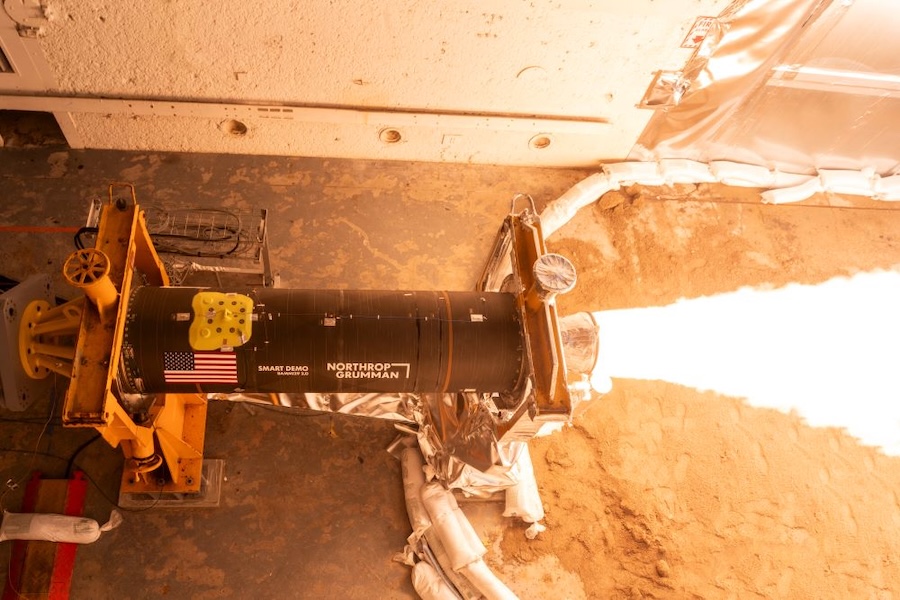
- Northrop Grumman has poured > $2 billion into AM‑based SRM capacity and targets ≈ 25 000 motors/yr by 2029 to meet U.S. and allied missile demand.
- X‑Bow Launch Systems and Ursa Major have demonstrated end‑to‑end 3‑D‑printed motor production, with the Lynx motor (2023) reaching a thrust of 3.5 kN and a specific impulse of 250 s.
- AM offers 30‑50 % weight reduction, 2‑3× faster lead times, and up to 40 % lower part‑count versus conventional metal‑casting routes.
- The success of SRMs will dictate whether the U.S. can truly “reshore” critical propulsion components and keep pace with global geopolitical competition.
Solid Rocket Motors: The First Big Scaling Test for AM in U.S. Defense
Why SRMs Matter More Than Drones Right Now
Additive manufacturing has become synonymous with “drone‑first” headlines, but the Pentagon’s longest‑running AM investment is actually in solid‑rocket motors (SRMs). The difference is strategic depth: a single SRM powers everything from tactical missiles to space‑launch boosters, and each unit carries a high‑value, high‑risk payload. Scaling AM for SRMs therefore serves as a litmus test for the United States’ ability to reshore critical propulsion hardware and reduce reliance on overseas supply chains.
The Funding Landscape
| Entity | Total AM Investment (USD) | 2020‑2024 SRM Production Goal | Primary AM Process |
|---|---|---|---|
| Northrop Grumman | > $2 B (incl. $1.1 B on AM) | 25 000 motors/yr by 2029 | Laser Powder‑Bed Fusion (Inconel 718) |
| X‑Bow Launch Systems | $150 M (private + DoD) | 1 200 test motors/yr (2025) | Direct Energy Deposition (Ti‑6Al‑4V) |
| Ursa Major | $85 M (Series C) | 500 Lynx‑class motors/yr (2026) | Binder‑Jetting (AlSi10Mg) |
Numbers compiled from DoD contract awards, company press releases, and SEC filings (2023‑2024).
Technical Advantages of AM‑Built SRMs
| Metric | Conventional Casting | Additive Manufacturing |
|---|---|---|
| Material Utilization | ~55 % (high scrap) | > 90 % (near‑net shape) |
| Part Count | 12–18 separate components | 4–6 integrated monoliths |
| Lead Time | 12–16 weeks | 4–6 weeks |
| Weight Savings | Baseline | 30‑50 % (depending on alloy) |
| Cost per Motor | $12 k–$15 k | $7 k–$10 k (volume‑scaled) |
- Inconel 718 printed via laser powder‑bed fusion can endure > 1 200 °C combustion temperatures, matching or exceeding the performance of forged counterparts.
- AlSi10Mg binder‑jet parts have demonstrated 250 s specific impulse, sufficient for tactical missile ranges of > 150 km.
- Integrated grain geometry (e.g., star‑shaped burn channels) is now printable, delivering more uniform thrust and reducing erosion hotspots by up to 35 %.
Program Milestones
- 2023 – Lynx Motor Success – Ursa Major’s 3.5 kN motor completed a full static fire, validating a single‑piece grain‑casing architecture.
- 2024 – X‑Bow “X‑B‑1” Flight Test – Demonstrated a direct‑energy‑deposited (DED) Ti‑6Al‑4V nozzle that survived 12 kN thrust cycles without refurbishment.
- 2025 – Northrop Grumman Production Line Ramp‑Up – First batch of 500 AM‑injected SRMs shipped to the U.S. Army’s Joint Rocket Propulsion Center, meeting a ±2 % thrust tolerance requirement.
These milestones show a progressive transition from prototype to low‑rate production, a prerequisite for the Pentagon’s “Reshoring Initiative” outlined in the FY‑2025 Defense Authorization Act.
The Geopolitical Angle
Global trade tensions and the U.S.–China strategic rivalry have turned propulsion supply chains into a national‑security concern. A domestic AM capability for SRMs reduces exposure to foreign foundries that could be subject to export controls or cyber‑espionage. Moreover, allied nations (e.g., the United Kingdom, Australia) are already negotiating technology‑transfer agreements that hinge on proven AM‑based SRM production, amplifying the market potential beyond the U.S. borders.
Bottom Line
Solid‑rocket motors have become the first true large‑scale test of additive manufacturing in the U.S. defense arena. With multi‑billion‑dollar investments, clear production targets, and demonstrated performance gains, AM‑enabled SRMs are poised to reshape how the United States sources its most critical propulsion components. The outcome will not only determine the feasibility of reshoring missile manufacturing, but also set the benchmark


