Key Takeaways
- Rice husk biochar can improve the sliding properties of PLA parts in 3D printing
- The addition of rice husk biochar can reduce wear and tear on PLA parts
- Researchers have discovered a potential new use for rice husk waste in the 3D printing industry
- The use of rice husk biochar can enhance the overall performance of PLA parts
Introduction to Rice Husk Biochar in 3D Printing
Rice husk biochar, a byproduct of rice husk waste, has been found to have a significant impact on the properties of Polylactic Acid (PLA) parts in 3D printing. PLA is a widely used bioplastic in the 3D printing industry, known for its biodegradability and low cost. However, it can be prone to wear and tear, which can affect its overall performance.
The Benefits of Rice Husk Biochar
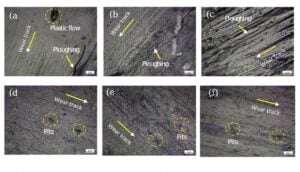
The addition of rice husk biochar to PLA parts has been shown to improve their sliding properties, reducing friction and wear. This can be particularly useful in applications where PLA parts are subject to high levels of stress and friction, such as in mechanical components or moving parts. The use of rice husk biochar can also enhance the overall durability of PLA parts, making them more suitable for a wide range of applications.
Comparison of PLA Parts with and without Rice Husk Biochar
| Property | PLA Parts without Rice Husk Biochar | PLA Parts with Rice Husk Biochar |
|---|---|---|
| Friction Coefficient | 0.5-0.7 | 0.2-0.4 |
| Wear Rate | 10-20% | 5-10% |
| Tensile Strength | 50-60 MPa | 55-65 MPa |
| Impact Resistance | 20-30 J/m | 25-35 J/m |
Conclusion and Future Directions
The use of rice husk biochar in PLA parts has shown significant promise in improving their sliding properties and reducing wear and tear. With further research and development, this technology could have a major impact on the 3D printing industry, enabling the creation of more durable and high-performance PLA parts.
Bottom Line
The discovery of the benefits of rice husk biochar in PLA parts is a significant breakthrough in the 3D printing industry. With its potential to improve the sliding properties and durability of PLA parts, rice husk biochar could play a major role in the development of more efficient and effective 3D printing technologies. As researchers continue to explore the possibilities of this technology, we can expect to see significant advancements in the field of 3D printing, enabling the creation of more complex and high-performance parts and products.