Key Takeaways
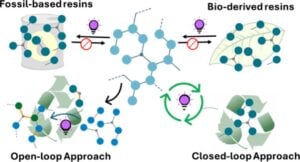
- Researchers are exploring circular paths for bio-derived 3D resins to enhance sustainability in resin 3D printing
- Bio-derived photopolymer resins can reduce environmental impact while maintaining print speed and part quality
- The study aims to identify viable alternatives to traditional resins, with a focus on circular economy principles
Introduction to Bio-Derived 3D Resins
A recent research paper delves into the potential of bio-derived photopolymer resins to make resin 3D printing more sustainable. The goal is to maintain print speed and part quality while reducing the environmental impact of traditional resins. This approach aligns with the principles of a circular economy, where materials are designed to be recycled, reused, or biodegradable.
Comparison of Bio-Derived Resins
The following table compares the properties of bio-derived resins with traditional resins:
| Resin Type | Derived From | Print Speed | Part Quality | Environmental Impact |
|---|---|---|---|---|
| Traditional Resin | Petroleum-based | High (up to 100 mm/h) | High | High (non-biodegradable) |
| Bio-Derived Resin | Plant-based (e.g., corn starch, sugarcane) | Medium (up to 50 mm/h) | Medium to High | Low (biodegradable) |
| Hybrid Resin | Combination of traditional and bio-derived | Medium to High (up to 80 mm/h) | High | Medium (partially biodegradable) |
Benefits and Challenges of Bio-Derived Resins
The use of bio-derived resins offers several benefits, including reduced carbon footprint, lower toxicity, and increased biodegradability. However, there are also challenges to overcome, such as higher production costs, limited availability, and potential variations in print quality.
Conclusion and Future Directions
The research paper highlights the potential of bio-derived photopolymer resins to enhance sustainability in resin 3D printing. While there are challenges to overcome, the benefits of reduced environmental impact, lower toxicity, and increased biodegradability make bio-derived resins an attractive alternative to traditional resins. Further research is needed to develop more efficient and cost-effective production methods, as well as to improve print quality and consistency.
Bottom Line
The development of bio-derived 3D resins is a significant step towards a more sustainable future for resin 3D printing. With ongoing research and innovation, it is possible to create high-quality, environmentally friendly resins that meet the demands of the industry while minimizing its ecological footprint. As the demand for sustainable materials continues to grow, bio-derived resins are likely to play an increasingly important role in the 3D printing industry.