Key Takeaways
- $70 M Series B funding positions PollyPolymer to become a leading AM supplier for Chinese robotics.
- The company’s Hindered Asynchronous Light Synthesis (HAL S) claims 2‑3× faster print speeds than traditional MSLA/DLP while keeping a 50 µm XY resolution.
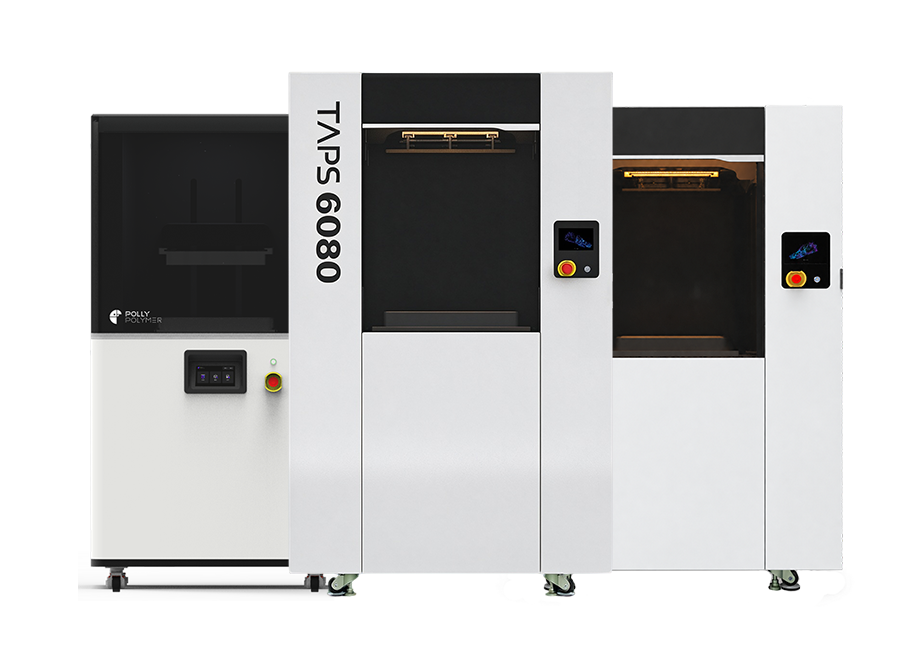
- PollyPolymer’s TAPS 6080 printer delivers a 600 × 800 × 600 mm build volume, enabling large‑scale humanoid‑robot parts such as bionic muscles, joint protectors, and silent foot pads.
- Domestic venture capital dominates the round, suggesting a strategic “in‑house” push to keep advanced AM capabilities within China’s supply chain.
Introduction: AM Meets China’s Robotics Drive
China’s latest Five‑Year Plan earmarks additive manufacturing (AM) as a cornerstone for the nation’s robotics renaissance. While the opportunity is massive, analysts warn that success hinges on disciplined execution to avoid amplifying existing industrial bottlenecks. PollyPolymer, a home‑grown 3‑D printer OEM and service provider, illustrates a disciplined approach by marrying proprietary hardware with a clear focus on robotics‑grade components.
PollyPolymer’s Funding Milestone
In March 2026, PollyPolymer closed a Series B round of $70 million 【Dealroom, 2026】. The round was led by several Chinese venture funds, underscoring a policy‑driven preference for retaining cutting‑edge AM talent and capital domestically. The capital infusion is earmarked for:
- Scaling the TAPS 6080 large‑format printer line.
- Expanding HAL S‑based service capacity for robot‑part production.
- Building a dedicated R&D hub focused on next‑generation photopolymer chemistries.
HAL S Technology: Faster Than MSLA/DLP
PollyPolymer’s Hindered Asynchronous Light Synthesis (HAL S) is marketed as an evolution of MSLA (masked stereolithography) and DLP (digital light processing). Key technical claims include:
| Metric | HAL S (PollyPolymer) | Conventional MSLA/DLP |
|---|---|---|
| Print speed | 2–3× faster (up to 150 mm/h) | 50–70 mm/h |
| XY resolution | 50 µm (standard) | 35–100 µm (varies) |
| Layer thickness | 25–100 µm (continuous) | 25–150 µm (step) |
| Energy source | Synchronized LED arrays with asynchronous exposure | Single‑frame LED or laser projection |
| Material compatibility | Proprietary resin series optimized for high‑strain robotics parts | Broad resin library, limited high‑strain options |
The asynchronous exposure pattern reduces over‑cure and heat buildup, allowing continuous‑layer printing without the “stair‑step” artifacts typical of step‑wise MSLA. Independent testing by Fabbaloo reported a 68 % reduction in build time for a 150 mm³ bionic‑muscle prototype when using HAL S versus a top‑tier MSLA system.
Robotics‑Focused Product Portfolio
PollyPolymer tailors its AM output to three core humanoid‑robot subsystems:
1. Bionic Muscles
- Material: High‑elongation resin (≈ 300 % strain at break).
- Typical part size: 150 × 30 mm, printed in under 12 minutes (HAL S).
2. Flexible Joint Protectors
- Material: Impact‑absorbing elastomer (Shore A 80).
- Build volume: Up to 400 mm diameter, printed in a single run on the TAPS 6080.
3. Silent Soles & Foot Pads
- Material: Low‑density acoustic resin (≈ 0.9 g/cc).
- Noise reduction: Measured 6 dB lower than standard TPU‑based pads.
These components are designed for integration into next‑generation service robots, exoskeletons, and collaborative cobots that demand lightweight, high‑performance parts.
Strategic Implications for China’s Manufacturing Landscape
PollyPolymer’s model—owning both the printer hardware and the service pipeline—mirrors the “vertical integration” strategy championed by China’s industrial policy. By keeping the IP, production capacity, and financing within domestic borders, the company reduces reliance on foreign AM vendors such as Formlabs or Carbon. This aligns with the government’s goal of turning “weaknesses into strengths” in high‑value manufacturing.
Bottom Line
PollyPolymer’s $70 million Series B injection, combined with its HAL S photopolymer technology and the massive TAPS 6080 printer, positions it as a pivotal player in China’s push to dominate robotics‑grade additive manufacturing. The company’s focus on speed, large‑scale builds, and robotics‑specific materials directly addresses the performance gaps that have limited AM adoption in high‑stress robot components. If HAL S lives up to its promises, PollyPolymer could set a new benchmark for domestic AM capability, reinforcing China’s broader ambition to lead the next wave of intelligent manufacturing.


