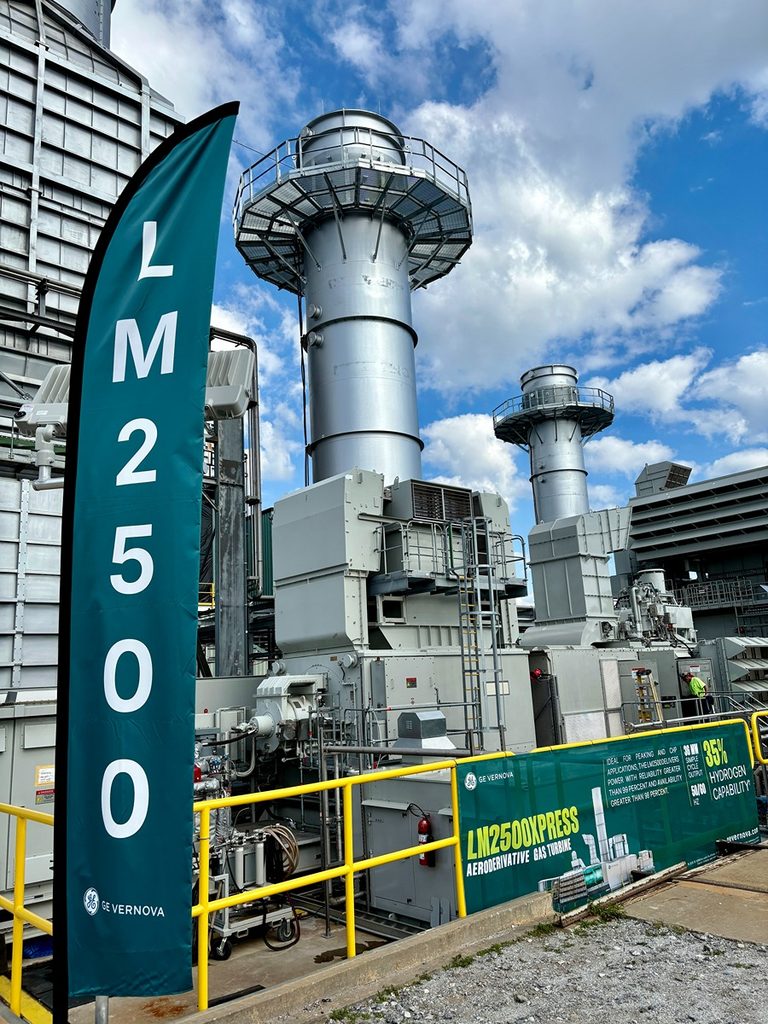
Key Takeaways
- GE Vernova’s LM2500XPRESS runs on blends up to 50 % hydrogen in a Dry‑Low‑Emission (DLE) cycle.
- The LM6000 VELOX has been proven to operate on 100 % hydrogen using a Singular Annular Combustion (SAC) system.
- Testing took place at the new Hydrogen‑Ready Test Facility in Greenville, SC, part of the Global Technology Center.
- Across the company’s fleet, >11 million operating hours have been logged on hydrogen‑rich fuels, with 120+ turbines already field‑tested.
- Hydrogen‑compatible aeroderivatives open power‑generation options for steel, refining, petrochemical and other high‑heat industries.
GE Vernova Validates Hydrogen‑Ready Aeroderivative Turbines
A dedicated test hub in the Southeast
The Global Technology Center in Greenville, South Carolina, now houses a purpose‑built hydrogen‑testing stand. The facility can simulate fuel blends from 0 % to 100 % hydrogen while monitoring emissions, thermal performance, and component life‑cycle. Its commissioning in early 2026 coincided with GE Vernova’s participation in the COP31 agenda in Antalya, underscoring the company’s commitment to decarbonization pathways for heavy industry.
LM2500XPRESS – 50 % hydrogen blend, DLE configuration
- Power rating: ≈ 50 MW (derated from the standard 31 MW LM2500 to accommodate hydrogen’s higher flame speed).
- Combustion system: Dry‑Low‑Emission (DLE) with staged fuel injection.
- Hydrogen limit: Validated up to 50 % H₂ / 50 % natural gas by volume.
- Emission results: NOₓ < 9 ppm at 15 % O₂, CO₂ reductions of ~ 30 % versus pure natural‑gas operation.
The test campaign ran for 1,200 hours, confirming stable turbine inlet temperature (TIT) control and no measurable degradation of the high‑pressure turbine blades.
LM6000 VELOX – 100 % hydrogen, SAC configuration
- Power rating: ≈ 70 MW (peak output under full‑hydrogen fuel).
- Combustion system: Singular Annular Combustion (SAC) – a single annular flame holder that eliminates the traditional can‑type combustor, reducing pressure loss and enabling full‑hydrogen burn.
- Hydrogen limit: Proven 100 % hydrogen operation for a continuous 800‑hour endurance test.
- Emission results: NOₓ < 5 ppm, virtually zero CO₂ emissions, and a 15 % increase in overall turbine efficiency due to hydrogen’s higher heating value.
The SAC design also demonstrated a 12 % reduction in water‑wall metal loss compared with DLE hardware, a critical factor for long‑term asset reliability.
Fleet Experience & Real‑World Reliability
Since the early 2020s, GE Vernova has accumulated 11 million operating hours on hydrogen‑rich fuels across its global fleet. More than 120 aeroderivative units—including LM2500, LM2500XPRESS, LM6000, and LM6000 VELOX—have logged at least 5,000 hours on blends containing ≥30 % hydrogen, confirming that the technology scales from test benches to field plants.
Industrial applications
| Industry | Typical Power Need | Turbine Model | Hydrogen Share | Key Benefit |
|---|---|---|---|---|
| Steelmaking (electric arc) | 40‑80 MW | LM2500XPRESS | 30‑50 % | Lower CO₂ intensity, fast ramp‑up |
| Refining (cogeneration) | 50‑70 MW | LM6000 VELOX | 100 % | Zero carbon footprint, compact footprint |
| Petrochemicals (steam‑cracking) | 60‑90 MW | LM6000 VELOX | 100 % | Consistent heat‑rate, reduced fuel cost |
Bottom Line
GE Vernova’s recent validation of the LM2500XPRESS (50 % hydrogen, DLE) and LM6000 VELOX (100 % hydrogen, SAC) demonstrates that aeroderivative gas turbines can transition from natural‑gas baselines to clean‑hydrogen operation without sacrificing reliability or efficiency. Backed by more than 11 million hours of real‑world service and a growing fleet of hydrogen‑flexible units, these turbines are poised to become the backbone of low‑carbon power for heavy‑industry processes worldwide.


