Key Takeaways
- Die casting can be done at home with the right equipment and safety precautions
- A desktop CNC machine can be used to carve a die for die casting
- Graphite is a suitable material for the die and piston due to its hardness and heat resistance
- The process involves pouring molten metal into the die and applying pressure to force it into shape
Introduction to Die Casting
Die casting is a manufacturing process that involves injecting molten metal into a mold, known as a die, to create a desired shape. This process has been widely used in industries for centuries due to its ability to produce high-volume parts with excellent detail and dimensional stability. However, it is not typically associated with home-based projects, as it requires specialized equipment and safety precautions.
The Die Casting Process
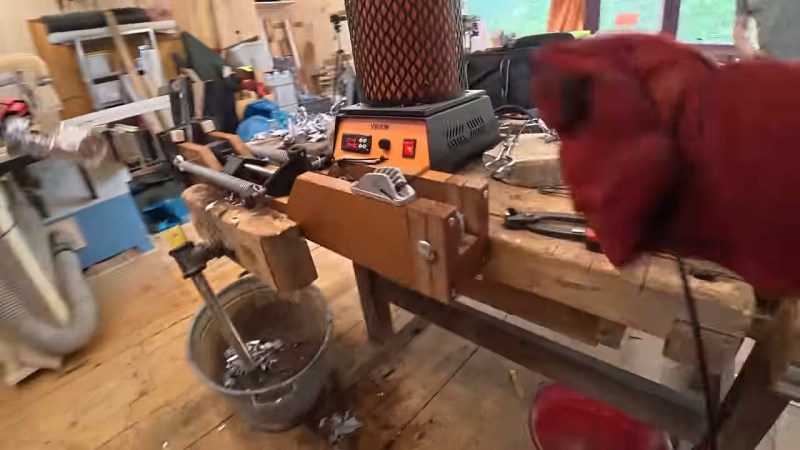
The die casting process involves several key components, including the die, a piston, and a source of pressure. In the video by Know Art, the die is carved on a desktop CNC machine using graphite, a hard and heat-resistant material. The piston is made from a modified hydraulic cylinder and old trampoline springs, which provide the necessary pressure to force the molten metal into the die.
Equipment and Materials
The following table compares the equipment and materials used in the video with alternative options:
| Equipment/Material | Description | Alternative Options |
|---|---|---|
| Desktop CNC machine | Used to carve the die | Industrial CNC machine, 3D printing |
| Graphite | Used for the die and piston due to its hardness and heat resistance | Copper, aluminum, steel |
| Modified hydraulic cylinder | Used to create the piston | Industrial hydraulic cylinder, pneumatic cylinder |
| Old trampoline springs | Used to provide pressure | Industrial springs, compressors |
Safety Considerations
Die casting involves working with molten metal and pressurized fluids, which can be hazardous if not handled properly. It is essential to take necessary safety precautions, such as wearing protective gear and ensuring proper ventilation, to avoid injuries and accidents.
Application and Results
The video demonstrates the die casting process using molten wax and aluminum, showcasing the potential for home-based die casting projects. The results show excellent detail and dimensional stability, highlighting the benefits of die casting for producing high-volume parts.
Bottom Line
Die casting can be a viable option for home-based projects, provided the necessary equipment and safety precautions are in place. With the right materials and equipment, such as a desktop CNC machine and graphite, individuals can create complex shapes and parts with excellent detail and dimensional stability. However, it is crucial to approach die casting with caution and respect for the process, as it involves working with hazardous materials and equipment.


