Key Takeaways
- The Australian government is investing in critical mineral security through the Additive Manufacturing Cooperative Research Centre (AMCRC)
- A joint research project between the University of Queensland and Coogee Titanium aims to develop a more energy-efficient method for processing titanium
- The project will evaluate the performance of titanium parts made using Powder Bed Fusion (PBF) and Hot Isostatic Pressing (HIP) techniques
- Titanium is a strategic metal for advanced manufacturing, with a less monopolized supply chain compared to rare earths
Introduction to Critical Mineral Security
The global economy's current state highlights the importance of critical mineral security for economic resilience. While many countries have an abundance of mineral resources, the lack of processing capabilities hinders their ability to utilize these resources effectively. This is why countries like the US, EU, Japan, and Australia are forming partnerships to build shared pools of critical mineral processing infrastructure.
Australia's Role in Critical Mineral Security
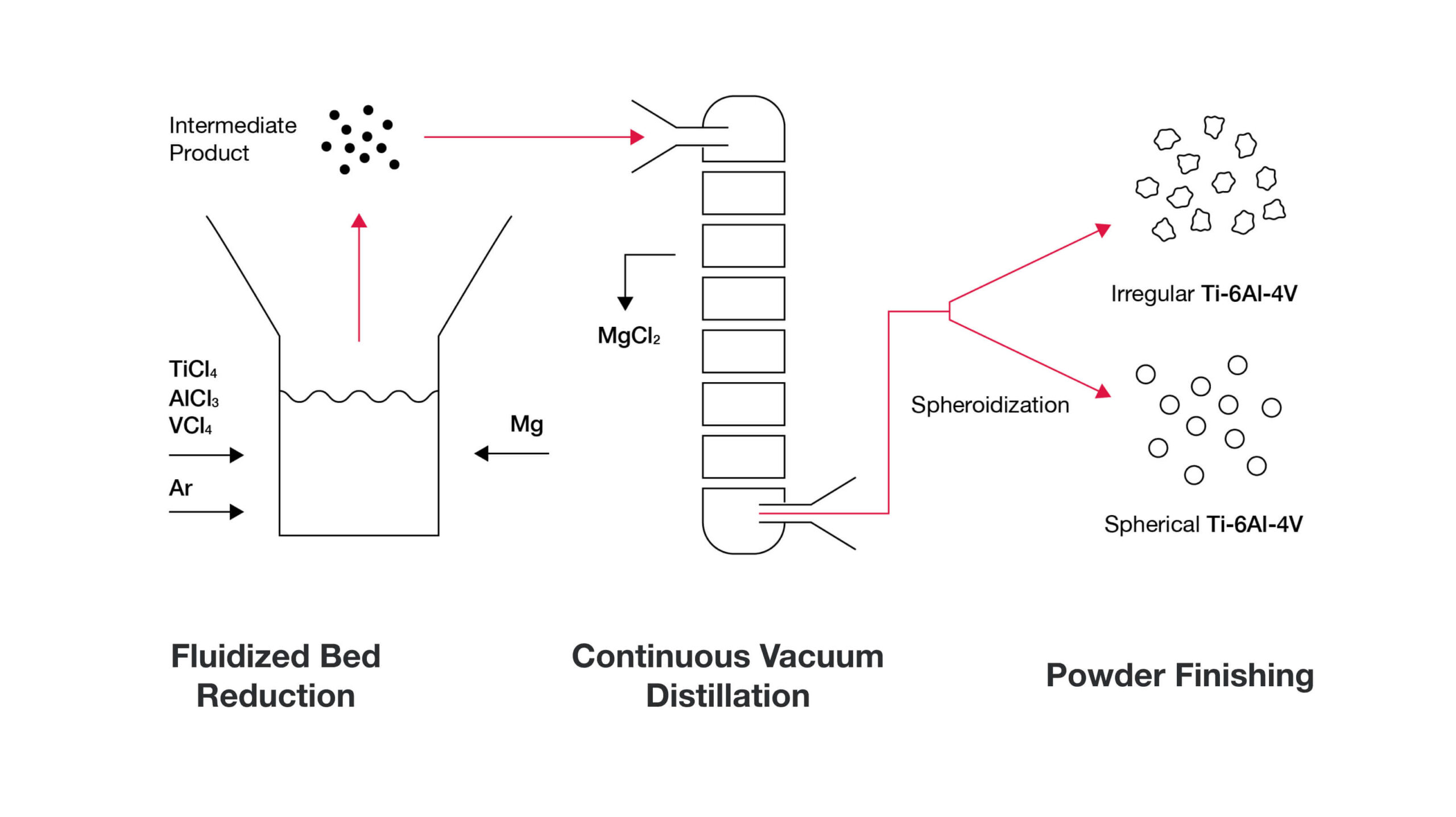
Australia, with its rich natural resources and strategic location in the Indo-Pacific region, is well-positioned to play a key role in this infrastructure buildup. The AMCRC, launched last year, has announced support for a A$677,000 (~$467,000) joint research project between the University of Queensland and Coogee Titanium. This project aims to develop a more energy-efficient method for processing titanium, using Coogee's patented TiRO process.
Comparison of Titanium Processing Methods
| Method | Energy Consumption | Application |
|---|---|---|
| Conventional | High | Legacy techniques |
| TiRO | Low | Advanced manufacturing, including PBF and HIP |
| Hot Isostatic Pressing (HIP) | Medium | Advanced metal production techniques |
Titanium as a Strategic Metal
Titanium is a strategic metal for advanced manufacturing, with a wide range of applications in industries such as aerospace, defense, and healthcare. While the titanium processing supply chain is currently dominated by China and Russia, the level of control is less monopolistic compared to rare earths. This presents an opportunity for NATO countries and their allies to develop alternative supply chains and reduce their dependence on these nations.
Project Objectives and Expected Outcomes
The joint research project between the University of Queensland and Coogee Titanium aims to evaluate the performance of titanium parts made using PBF and HIP techniques. The project will compare the performance of these parts with those made using legacy techniques, with a focus on energy efficiency and material properties.
Bottom Line
The Australian government's investment in critical mineral security through the AMCRC is a strategic move to reduce dependence on foreign nations for critical metals like titanium. The joint research project between the University of Queensland and Coogee Titanium has the potential to develop a more energy-efficient method for processing titanium, with significant implications for advanced manufacturing industries. With a total funding of A$677,000 (~$467,000) and a focus on innovative technologies like PBF and HIP, this project is expected to contribute to the growth of Australia's critical mineral processing infrastructure and support the country's economic resilience.


