Key Takeaways
- Global Laser Box (GLB) secured RMB 200 M (≈ US $30 M) Series A funding to accelerate its selective‑laser‑melting (SLM) portfolio.
- The new DP‑C1 desktop metal printer targets SMEs, makers, and print farms with a claimed build volume of 100 × 100 × 100 mm and a price under US $25 k.
- U.S. Navy awarded a US $12 M contract to a consortium for large‑scale ship‑hull AM, emphasizing Inconel‑718 and Ti‑6Al‑4V components.
- European AM firm AddiTech emerged from insolvency with €8 M bridge financing, focusing on hybrid powder‑bed‑fusion (HPBF) systems that promise 30 % faster build rates.
Chinese Metal‑AM Player Scales Up
Funding Milestone
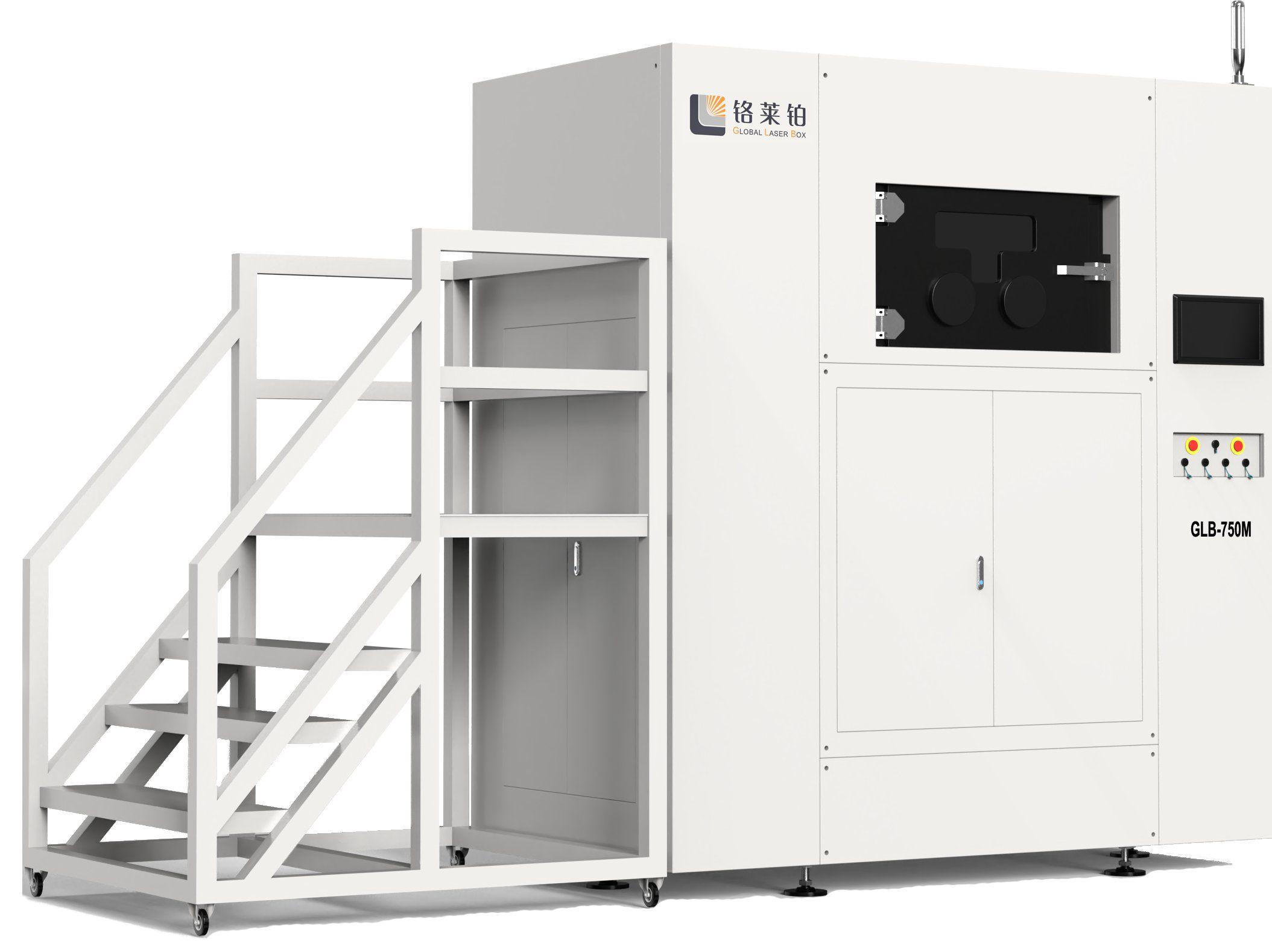
Global Laser Box (GLB), founded in early 2023, announced a Series A round that raised RMB 199.8 million (≈ US $30 million). The round was led by Qifu Capital and included Changxing Investment and Chuangshiji Investment. The capital will be split between R&D, production capacity, and overseas market expansion.
Product Portfolio
GLB’s flagship industrial line uses selective laser melting (SLM) with laser powers up to 800 W and layer thicknesses as fine as 20 µm. In June, the company launched the DP‑C1, a desktop SLM printer that:
| Specification | DP‑C1 | Typical Competitor (e.g., Desktop Metal Studio System) |
|---|---|---|
| Build volume | 100 × 100 × 100 mm | 120 × 120 × 120 mm |
| Laser power | 400 W fiber | 300 W fiber |
| Material range | 30 alloys (AlSi10Mg, Ti‑6Al‑4V, Inconel 718) | 20 alloys |
| Price (incl. software) | US $24,900 | US $35,000 |
| Production status | Mass‑production ready (Q4 2026) | Limited‑run pilot |
The DP‑C1 is positioned as a “mass‑market” metal printer, aiming to lower the entry barrier for small‑batch production and educational labs.
Global Reach
GLB claims sales channels in over 60 countries and operates four service hubs across China (Beijing, Shanghai, Chengdu, and Guangzhou). The new funding will finance a 30 % increase in annual output capacity, targeting 1,200 industrial units and 5,000 desktop units by 2028.
U.S. Navy Invests in Large‑Scale Additive Manufacturing
The U.S. Department of Defense awarded a US $12 million contract to Naval Additive Solutions (NAS), a joint venture of GE Additive and Lockheed Martin, to develop full‑scale hull sections using AM. Key points:
- Materials: Inconel‑718 and Ti‑6Al‑4V for high‑strength, corrosion‑resistant structures.
- Build size: Up to 2 m × 1 m × 0.5 m using a multi‑laser SLM system (up to 2 kW per head).
- Goal: Reduce hull‑section lead time from 18 months (traditional welding) to 6 months and cut material waste by 40 %.
The program is part of the Navy’s “Advanced Manufacturing for Shipbuilding” initiative, slated for a pilot installation on the USS Enterprise‑class frigate in 2027.
European Comeback: AddiTech’s Hybrid Powder‑Bed Fusion
After filing for insolvency in early 2025, AddiTech secured an €8 million bridge loan from the European Investment Bank and private equity partner Eurazeo. The company is refocusing on its Hybrid Powder‑Bed Fusion (HPBF) technology, which merges conventional powder‑bed heating with a high‑speed scanning laser.
- Build rate: Up to 30 % faster than standard SLM (average 150 mm³/s).
- Energy consumption: 15 % lower due to pre‑heated powder bed at 200 °C.
- Target markets: Aerospace (turbine blades), medical implants, and automotive lightweighting.
AddiTech plans to ship 50 HPBF units to OEMs in Germany, France, and the UK by the end of 2027, re‑establishing a European supply chain for high‑performance metal parts.
Bottom Line
Additive manufacturing continues to attract sizable capital across continents. China’s Global Laser Box leverages a fresh US $30 M injection to democratize metal SLM, while the U.S. Navy pours US $12 M into large‑scale ship‑hull printing, underscoring defense‑driven demand for high‑strength alloys. In Europe, AddiTech’s €8 M rescue fund signals confidence in hybrid powder‑bed technologies that promise speed and energy gains. Collectively, these moves illustrate a maturing ecosystem where both industrial‑scale and desktop metal printers are gaining traction, driving faster part delivery, lower waste, and broader market participation.


