Key Takeaways
- L.A. Comic‑Con 2024 (Oct 30‑Nov 1) featured a surge of 3‑D‑printed cosplay pieces, from armor to helmets.
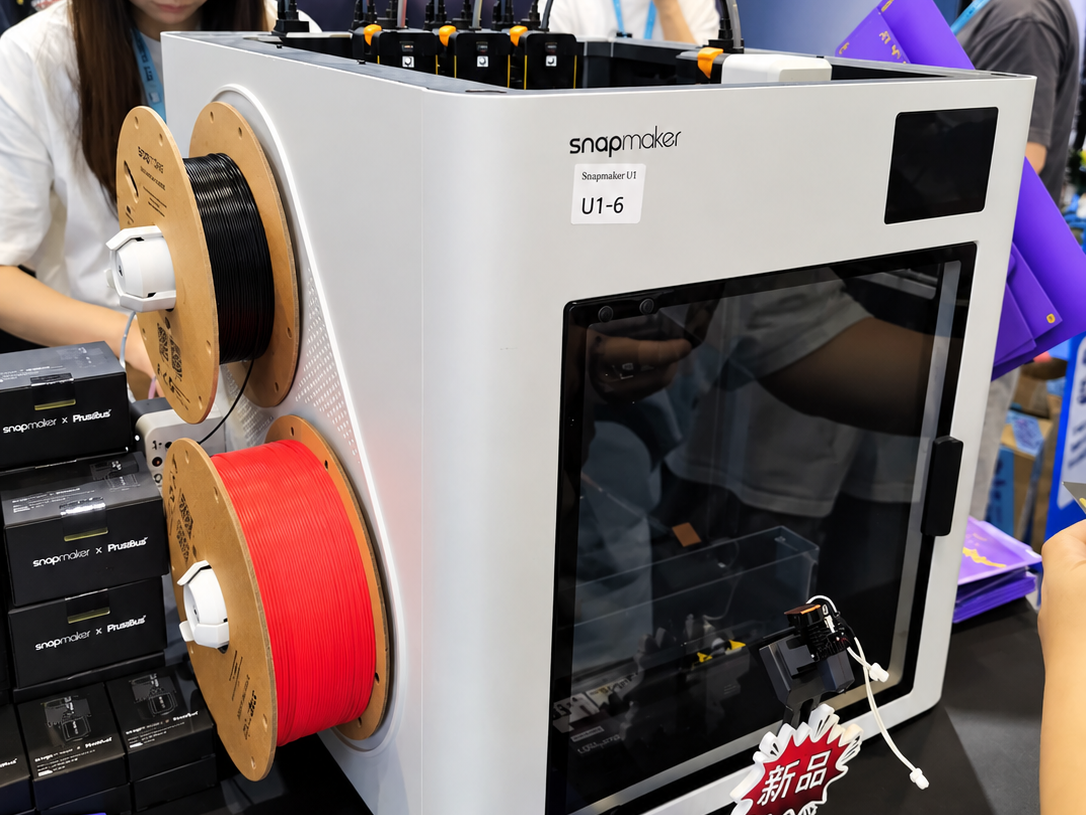
- Snapmaker staged live demos, on‑site repairs, and a national cosplay contest, showcasing the Snapmaker 2.0 A350 (320 × 350 × 330 mm build volume, 0.05 mm layer resolution).
- FDM, SLA and SLS printers each bring distinct strengths for costume work; the right choice hinges on part size, surface finish, and budget.
- Cost‑effective desktop rigs (≈ US$1,200) now rival small‑shop production tools, enabling hobbyists to produce movie‑grade props in days rather than weeks.
3‑D Printing Takes Center Stage at L.A. Comic‑Con
A Halloween‑Heavy Line‑up
The 15th anniversary of the Los Angeles Convention Center’s Comic‑Con ran from October 30 to November 1, drawing over 125,000 attendees. While comics, gaming tournaments and celebrity panels filled the schedule, the visual impact of cosplay—especially pieces fabricated with additive manufacturing—dominated the exhibition halls.
Snapmaker’s Role in the Spotlight
Snapmaker, a leading desktop‑printer brand, set up a 10‑× 10‑ft booth where visitors could:
| Activity | Details |
|---|---|
| Live printing | Demonstrations of the Snapmaker 2.0 A350 printing a full‑scale Iron Man gauntlet (≈ 30 kg, 1.2 m² surface) in under 8 h. |
| Costume repair station | On‑demand re‑printing of broken 3‑D‑printed hinges and brackets, reducing downtime from days to minutes. |
| National cosplay showdown | A $5,000 prize contest judged on originality, print quality, and wearability; winners received a Snapmaker 2.0 bundle and a year’s supply of filament. |
The A350’s dual‑extruder system (0.4 mm nozzle, up to 300 °C) allowed simultaneous printing of structural PETG and flexible TPU for joint hinges, a combination rarely seen in portable rigs.
Why 3‑D Printing Is a Game‑Changer for Cosplayers
Speed vs. Finish: Choosing the Right Technology
| Technology | Typical Build Volume | Layer Resolution | Material Cost (per kg) | Surface Finish | Ideal Use‑Case |
|---|---|---|---|---|---|
| FDM (Fused Deposition Modeling) | Up to 300 × 300 × 300 mm (desktop) | 0.05–0.4 mm | $20–$45 | Visible layer lines, post‑processing needed | Large armor plates, structural frames |
| SLA (Stereolithography) | 150 × 150 × 200 mm (mid‑range) | 0.025–0.1 mm | $120–$180 (resin) | Mirror‑smooth, minimal post‑work | Detailed helmets, facial masks |
| SLS (Selective Laser Sintering) | 250 × 250 × 280 mm (industrial) | 0.10–0.15 mm | $80–$110 (nylon) | Slightly porous, no support structures | Complex interlocking gear, lightweight props |
- FDM remains the workhorse for cosplay because of its low material cost and large printable envelope.
- SLA delivers the high‑resolution surface needed for facial prosthetics, but resin handling adds safety considerations.
- SLS eliminates support structures, enabling intricate lattice designs, yet the entry price (≈ $10k) limits hobby‑level adoption.
Real‑World Example: A 3‑D‑Printed Sword
A fan of The Witcher printed a 1.1 m long steel‑look sword using PETG (density 1.27 g/cm³) on an A350. The part weighed 4.3 kg and required ≈ 12 h of print time plus 2 h of sanding and primer. Compared with a traditional foam core, the printed sword offered 30 % higher tensile strength and a metallic finish after a thin coat of metallic spray paint.
Cost Analysis: Desktop vs. Outsourced Production
| Scenario | In‑House Desktop (Snapmaker A350) | Outsourced Service (e.g., Shapeways) |
|---|---|---|
| Initial Investment | $1,199 (printer) + $150 (filament kit) | $0 |
| Per‑Part Cost (30 cm armor plate) | $12 (PETG) + $5 post‑processing | $45 (incl. shipping) |
| Lead Time | 6–8 h printing + 2 h finish | 5–7 days (incl. queue) |
| Scalability | Up to 5 parts/day (single printer) | Unlimited, but price scales linearly |
For a typical cosplay set (≈ 8 pieces), the desktop route saves roughly $200 and cuts delivery time from a week to a single day—critical when convention deadlines loom.
Bottom Line
The 2024 L.A. Comic‑Con underscored how desktop 3‑D printers like Snapmaker’s A350 have democratized high‑quality cosplay production. By balancing affordable material costs, large build volumes, and rapid turnaround, hobbyists can now fabricate movie‑level armor, helmets and accessories on the same schedule as professional prop shops. Selecting the appropriate printing technology—FDM for bulk, SLA for detail, SLS for complexity—remains essential, but the gap between DIY and factory‑grade output continues to shrink, making 3‑D printing the definitive tool for next‑generation cosplay.