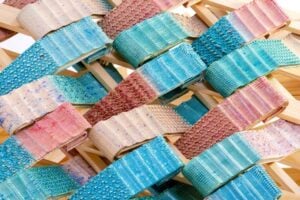
Key Takeaways
- 3D printed ceramic shingles offer a new application area for additive manufacturing in building construction
- These shingles provide improved light control and geometric variety compared to traditional building components
- Additive manufacturing enables the creation of complex shapes and designs that cannot be produced with traditional methods
- 3D printed ceramic shingles have the potential to revolutionize the construction industry with increased efficiency and sustainability
Introduction to 3D Printed Ceramic Shingles
The use of 3D printing technology in the construction industry has led to the development of innovative building components, including ceramic shingles. These shingles are created using additive manufacturing techniques, which allow for the production of complex shapes and designs that cannot be achieved with traditional methods. With a thickness of approximately 10-15 mm and a weight of around 15-20 kg/m², 3D printed ceramic shingles offer a unique combination of durability and aesthetic appeal.
Benefits of 3D Printed Ceramic Shingles
The use of 3D printed ceramic shingles provides several benefits, including improved light control and geometric variety. These shingles can be designed to allow for specific amounts of light to enter a building, reducing the need for artificial lighting and minimizing energy consumption. Additionally, the complex shapes and designs that can be created using additive manufacturing enable architects and designers to create unique and innovative facade concepts.
Comparison of 3D Printed Ceramic Shingles to Traditional Materials
| Material | Thickness | Weight | Durability | Aesthetic Appeal |
|---|---|---|---|---|
| 3D Printed Ceramic Shingles | 10-15 mm | 15-20 kg/m² | High | High |
| Traditional Ceramic Shingles | 5-10 mm | 10-15 kg/m² | Medium | Medium |
| Concrete Shingles | 20-30 mm | 30-40 kg/m² | High | Low |
Applications and Future Developments
The use of 3D printed ceramic shingles has the potential to revolutionize the construction industry, with applications in both residential and commercial building construction. As the technology continues to evolve, we can expect to see increased efficiency and sustainability in the production of these shingles. With the ability to create complex shapes and designs, architects and designers will have greater flexibility in creating innovative and unique facade concepts.
Bottom Line
The development of 3D printed ceramic shingles represents a significant advancement in the use of additive manufacturing in the construction industry. With their unique combination of durability, aesthetic appeal, and sustainability, these shingles have the potential to transform the way we build and design buildings. As the technology continues to evolve, we can expect to see increased adoption of 3D printed ceramic shingles in construction projects around the world, leading to more efficient, sustainable, and innovative building designs.