Key Takeaways
- Qualification is becoming a major focus for additive manufacturing (AM) in the energy industry
- The Electric Power Research Institute (EPRI) and America Makes are working together to bridge the gap between AM innovation and deployment
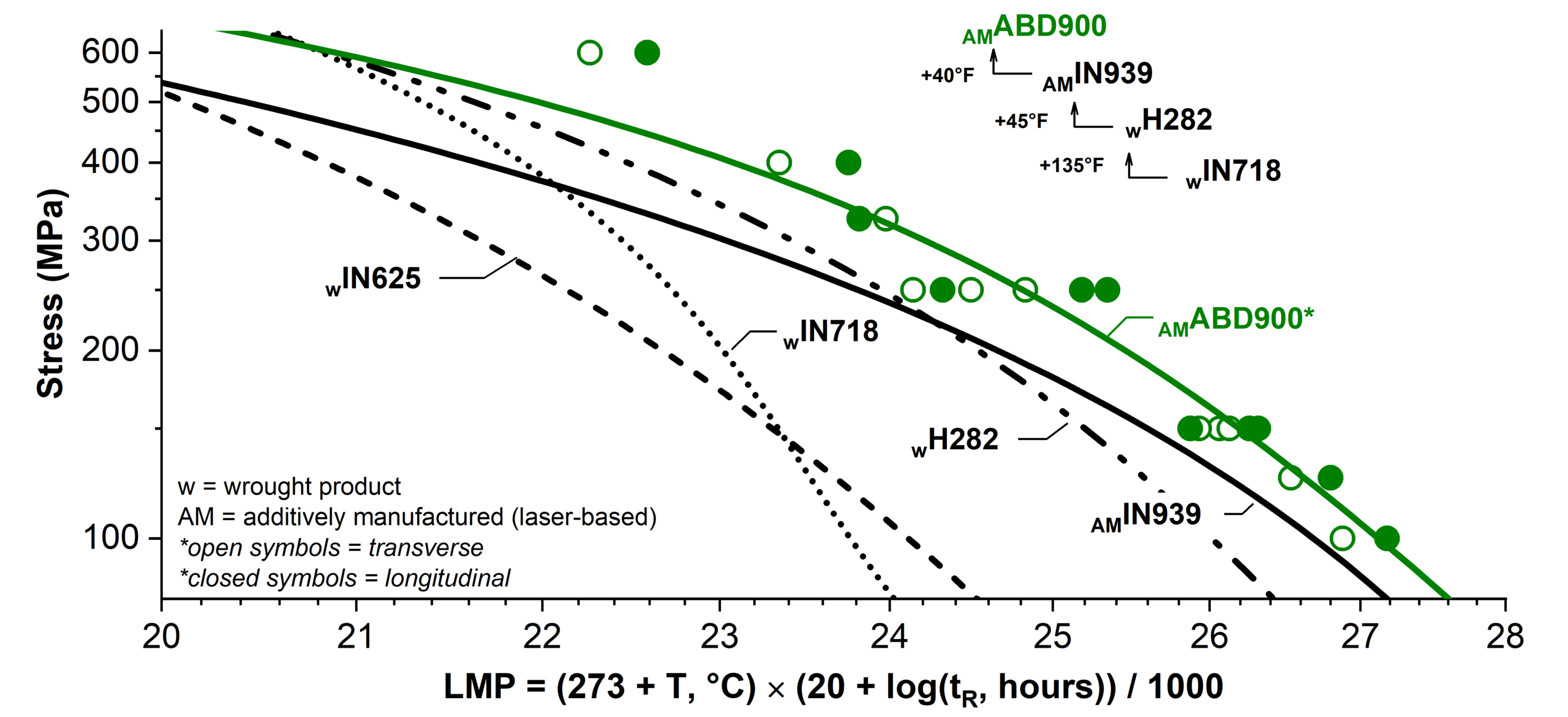
- ABD®900AM, a nickel-based superalloy, has been qualified for turbine, aerospace, and energy applications
- The qualification process involved multiple organizations, manufacturing sites, and AM systems
- The American Society of Mechanical Engineers (ASME) recognized the EPRI's paper on the qualification of ABD®900AM as the Best Paper
Introduction to Qualification in AM
The energy industry has little room for error, with components often operating under extreme conditions for decades. As a result, qualification has become a critical challenge for the additive manufacturing (AM) industry. The EPRI, in collaboration with America Makes and industry partners, has been working to address this issue and facilitate the deployment of AM in the energy sector.
The Role of ABD®900AM
At the forefront of this research is ABD®900AM, a nickel-based superalloy developed by Alloyed specifically for AM. This material has been qualified for use in turbine, aerospace, and energy applications, with a focus on lessons learned during the qualification process. The project's multi-organizational and multi-site approach has helped establish a broader foundation for future deployment.
Comparison of Qualification Efforts
| Material | Qualification Process | Industry Partners | Outcome |
|---|---|---|---|
| ABD®900AM | Multi-organizational, multi-site | EPRI, America Makes, Alloyed | Qualified for turbine, aerospace, and energy applications |
| Traditional Materials | Traditional qualification methods | Various industry partners | Limited adoption in critical applications |
The Importance of Qualification
The recognition of the EPRI's paper by the ASME highlights the growing focus on qualification in the AM industry. Many experts consider qualification to be one of the biggest barriers to wider adoption of AM in critical applications. By addressing this challenge, the industry can unlock the full potential of AM and enable the production of complex, high-performance components.
Conclusion
The qualification of ABD®900AM is a significant step forward for the AM industry, demonstrating the potential for nickel-based superalloys in critical applications. The EPRI's research and collaboration with industry partners have helped establish a foundation for future deployment, and the recognition by the ASME underscores the importance of qualification in the AM industry.
Bottom Line
The energy industry's demand for high-performance, reliable components has driven the need for qualification in additive manufacturing. The EPRI's work on ABD®900AM has shown that qualification is possible, and the industry is taking notice. As the AM industry continues to evolve, the focus on qualification will only continue to grow, enabling the production of complex, high-performance components that meet the exacting standards of the energy industry. With the potential for significant improvements in efficiency, reliability, and cost savings, the future of AM in the energy industry looks bright.