Key Takeaways
- RIC Robotics collaborated with K4k Construction on a 3D printed Accessory Dwelling Unit (ADU) in Sacramento, California
- The 1200 square foot dwelling was built in 12 days, with a wall system completion time of 12 days
- The project is the first permitted 3D printed building in California's capital city
- RIC Robotics has also begun work on a community in Colorado featuring dozens of 3D printed homes
Introduction to 3D Printed Construction
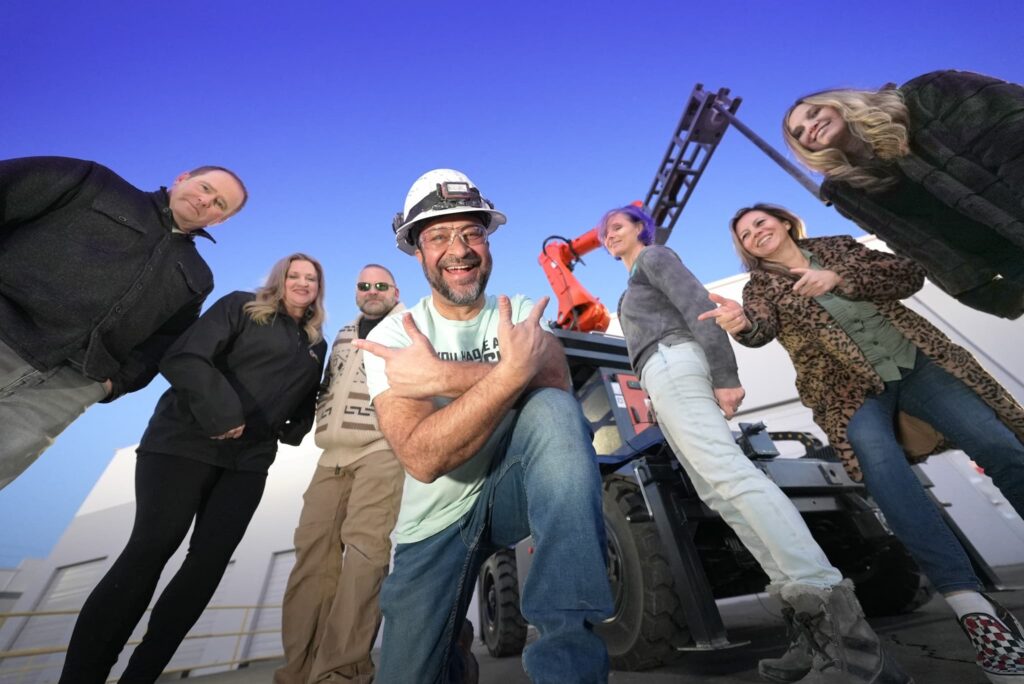
RIC Robotics, a Denver-based additive construction (AC) firm, has completed a 3D printed Accessory Dwelling Unit (ADU) in Sacramento, California, in collaboration with K4k Construction. This project marks the first permitted 3D printed building in California's capital city. The ADU, measuring 1200 square feet, was built on property owned by K4k Construction's founder and CEO, David Gonzalez, and his wife, Estelle, an engineer at the company.
Construction Details
The wall system for the ADU was completed in just 12 days, demonstrating the efficiency and speed of 3D printed construction. The home is destined for Estelle's parents, showcasing the potential of 3D printing technology in creating affordable and sustainable housing solutions. RIC Robotics' hardware and K4k Construction's expertise combined to make this project a success.
Comparison of 3D Printing Methods
| Method | Construction Time | Cost Savings |
|---|---|---|
| Traditional Construction | 3-6 months | 0-10% |
| 3D Printed Construction | 12 days | 20-30% |
Benefits of 3D Printed Construction
The use of 3D printing technology in construction offers several benefits, including reduced construction time, lower labor costs, and increased sustainability. The technology also allows for the creation of complex designs and structures, making it an attractive option for builders and homeowners.
Recent Developments
RIC Robotics has also announced the start of work on a unique community in Colorado, featuring dozens of 3D printed homes. This project, in partnership with local companies, aims to create a standalone metro district using advanced construction technologies.
Bottom Line
The successful completion of the 3D printed ADU in Sacramento demonstrates the potential of additive construction technology in creating affordable and sustainable housing solutions. With its ability to reduce construction time and costs, 3D printing is poised to revolutionize the construction industry. As companies like RIC Robotics and K4k Construction continue to push the boundaries of what is possible with 3D printing, we can expect to see more innovative projects like this in the future.