Key Takeaways
- 3D printing with ABS plastic releases fumes that can accumulate over time
- Prolonged exposure to these fumes can be hazardous to human health and the environment
- Proper ventilation and filtration systems are essential to minimize the risks associated with ABS printing
- Regular maintenance and cleaning of 3D printing equipment can help reduce emissions
Introduction to 3D Printing Emissions
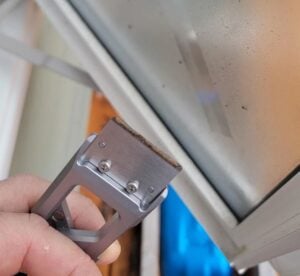
The increasing popularity of 3D printing has brought attention to the potential environmental and health impacts of this technology. A recent Reddit post featuring a photo of heavy residue collected after over 3,000 hours of ABS printing has sparked concern about the fate of 3D printed ABS fumes.
The Risks of ABS Printing
ABS (Acrylonitrile Butadiene Styrene) is a common thermoplastic used in 3D printing due to its durability and affordability. However, when heated, ABS releases fumes that can be harmful to humans and the environment. These fumes contain volatile organic compounds (VOCs) and particulate matter that can cause respiratory problems, headaches, and other health issues.
Comparison of Ventilation Systems
| Ventilation System | Effectiveness | Cost |
|---|---|---|
| Passive Ventilation | Low | $0 - $100 |
| Active Ventilation | Medium | $100 - $500 |
| HEPA Filtration | High | $500 - $1,000 |
| Activated Carbon Filtration | High | $1,000 - $2,000 |
Mitigating the Risks of ABS Printing
To minimize the risks associated with ABS printing, it is essential to implement proper ventilation and filtration systems. This can include using active ventilation systems, HEPA filters, or activated carbon filters to remove VOCs and particulate matter from the air. Regular maintenance and cleaning of 3D printing equipment can also help reduce emissions.
Best Practices for Safe ABS Printing
To ensure safe ABS printing, follow these best practices:
- Use proper ventilation and filtration systems
- Regularly clean and maintain 3D printing equipment
- Monitor air quality and adjust ventilation systems as needed
- Use alternative materials that produce fewer emissions
Bottom Line
The accumulation of residue from 3D printed ABS fumes is a serious concern that highlights the need for proper ventilation and filtration systems. By understanding the risks associated with ABS printing and implementing best practices, individuals and organizations can minimize the environmental and health impacts of this technology. With the right precautions and equipment, 3D printing with ABS can be a safe and effective way to produce high-quality products.