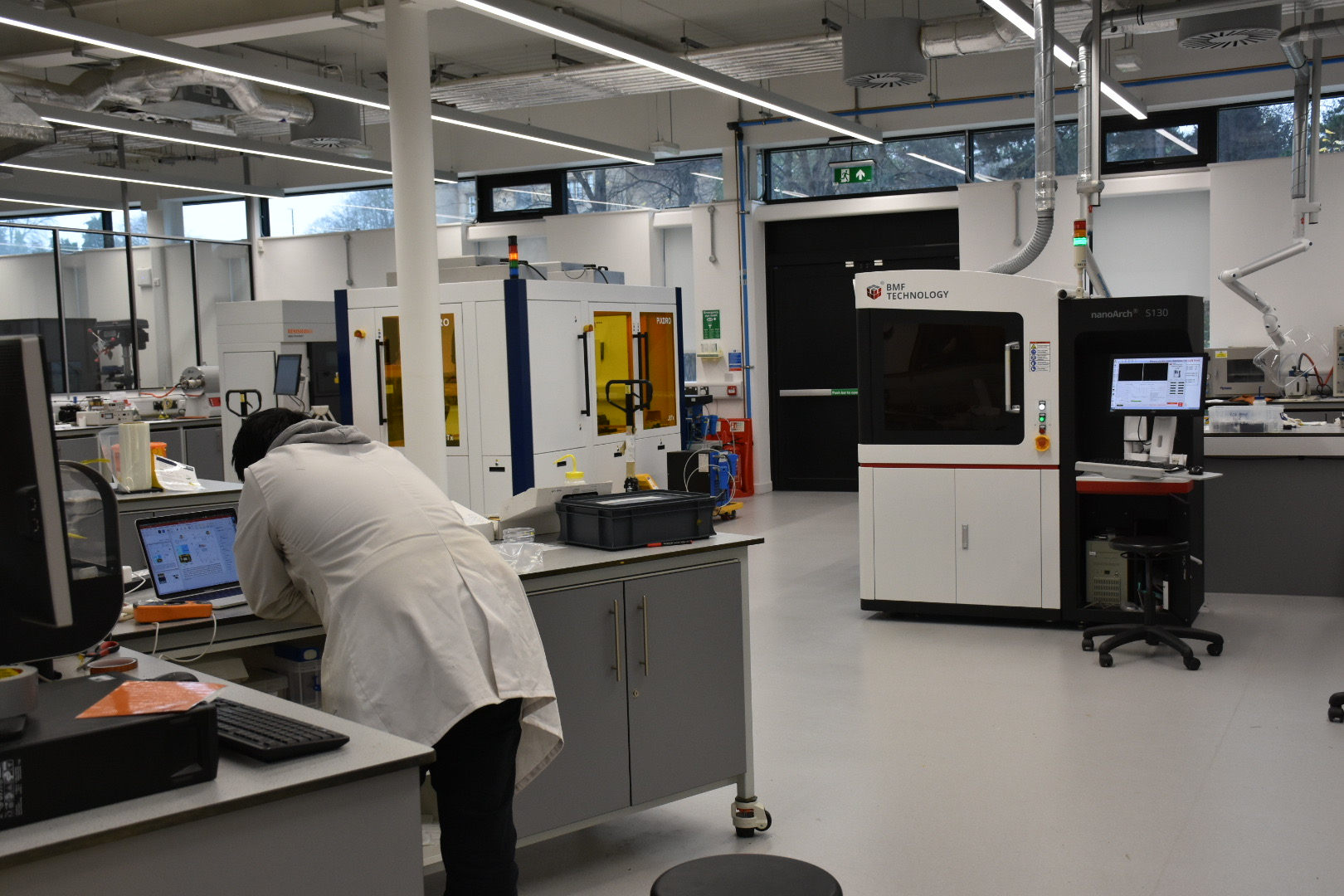
Key Takeaways
- The additive manufacturing (AM) industry is shifting towards industrial-scale adoption, with a focus on reliable and repeatable manufacturing outcomes.
- Workforce trends, such as hiring priorities and salary growth, indicate a transition towards operational maturity.
- The top hiring priority in the AM industry is production, followed by engineering and research and development.
- Companies are investing in technologies like artificial intelligence, automation, and digital manufacturing to improve productivity and competitiveness.
Introduction to Additive Manufacturing Workforce Trends
The additive manufacturing industry is experiencing significant growth, with companies investing heavily in new technologies and processes. However, the industry's workforce challenges are becoming increasingly similar to those faced by manufacturing as a whole. As the industry moves towards industrial-scale adoption, the battle for competitive advantage will be determined by a company's ability to build a team capable of delivering reliable and repeatable manufacturing outcomes.
Workforce Trends in Additive Manufacturing
The latest AM Salary Survey Report from Alexander Daniels Global provides valuable insights into the industry's workforce trends. The data suggests that production has become the industry's top hiring priority, with 55% of companies citing it as their primary focus. This is followed by engineering (21%) and research and development (15%). The survey also found that salary growth is highest in the production sector, with an average increase of 12% per year.
Comparison of Additive Manufacturing Workforce Trends
| Category | 2022 | 2023 | 2024 |
|---|---|---|---|
| Production | 40% | 50% | 55% |
| Engineering | 25% | 20% | 21% |
| Research and Development | 15% | 15% | 15% |
| Salary Growth (Production) | 8% | 10% | 12% |
Technologies Driving Additive Manufacturing Growth
The AM industry is being driven by technologies such as artificial intelligence, automation, and digital manufacturing. These technologies are improving productivity and competitiveness, with 75% of companies citing them as key to their growth strategy. Defense spending is also increasing, with governments investing in manufacturing resilience and industrial organizations exploring new technologies to improve productivity.
Bottom Line
The additive manufacturing industry is undergoing a significant transition, with a focus on industrial-scale adoption and reliable manufacturing outcomes. Workforce trends, such as hiring priorities and salary growth, indicate a shift towards operational maturity. As the industry continues to grow, companies will need to invest in technologies like artificial intelligence, automation, and digital manufacturing to remain competitive. With production emerging as the top hiring priority, companies must build teams capable of delivering high-quality products to meet the increasing demand for additive manufacturing solutions.