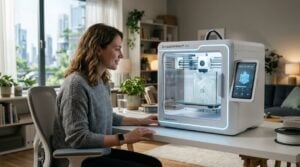
- Key Takeaways:
- The growth of desktop 3D printer companies can lead to increased investment in research and development, resulting in improved product quality and innovation.
- Larger companies may focus on expanding their product lines, including industrial-grade 3D printers, to cater to a broader range of customers.
- The consolidation of companies can lead to a more competitive market, driving down prices and increasing accessibility to 3D printing technology.
- As companies grow, they may prioritize customer support and services, such as training and maintenance, to differentiate themselves from competitors.
Introduction to the Evolution of Desktop 3D Printing
The desktop 3D printing industry has experienced significant growth over the past decade, with companies like MakerBot, Ultimaker, and Prusa Research leading the charge. As these companies expand and mature, it's essential to consider the potential implications of their growth on the industry as a whole.
The Impact of Growth on Product Development
As desktop 3D printer companies increase in size, they often invest more in research and development, resulting in improved product quality and innovation. For example, companies like Ultimaker have developed advanced 3D printing technologies, such as the Ultimaker 3, which features a build volume of 215 x 215 x 300 mm and a layer resolution of up to 20 microns. This increased investment in R&D can lead to the development of new products and services, such as industrial-grade 3D printers, which can cater to a broader range of customers.
Comparison of Industrial-Grade 3D Printers
The following table compares the specifications of several industrial-grade 3D printers:
| Printer Model | Build Volume | Layer Resolution | Price |
|---|---|---|---|
| Ultimaker 3 | 215 x 215 x 300 mm | up to 20 microns | $2,499 |
| MakerBot Method | 190 x 160 x 230 mm | up to 100 microns | $2,499 |
| Prusa i3 | 250 x 210 x 200 mm | up to 50 microns | $700 |
Market Consolidation and Competition
As desktop 3D printer companies grow, the market may experience consolidation, with larger companies acquiring smaller ones. This can lead to a more competitive market, driving down prices and increasing accessibility to 3D printing technology. For example, the average price of a desktop 3D printer has decreased by over 50% in the past five years, making it more affordable for hobbyists and professionals to purchase.
Focus on Customer Support and Services
As companies grow, they may prioritize customer support and services, such as training and maintenance, to differentiate themselves from competitors. This can include offering comprehensive warranties, dedicated customer support teams, and online resources, such as tutorials and forums. According to a survey by the 3D Printing Industry, 75% of customers consider customer support to be a crucial factor when choosing a 3D printer.
Bottom Line
In conclusion, the growth of desktop 3D printer companies can have a significant impact on the industry, leading to increased investment in research and development, expanded product lines, and a more competitive market. As companies prioritize customer support and services, customers can expect to see improved product quality, increased accessibility, and a more comprehensive range of services. With the average annual growth rate of the 3D printing industry expected to be around 20% over the next five years, it's essential to stay informed about the latest developments and trends in the industry.