Key Takeaways
- High-temperature nickel-based superalloys like MAR-M 247LC (M247LC) are used in demanding applications such as gas turbines and aerospace propulsion
- Traditional investment casting supply chains face challenges like high tooling costs and long lead times, leading to the exploration of alternative production methods like metal binder jetting (MBJ)
- A webinar on August 6th will discuss the use of MBJ for producing M247LC, featuring experts from Continuum Powders and AmPd Labs
- Binder-jetted M247LC has shown mechanical performance equivalent to conventional casting, with improved ductility and process repeatability
Introduction to Metal Binder Jetting
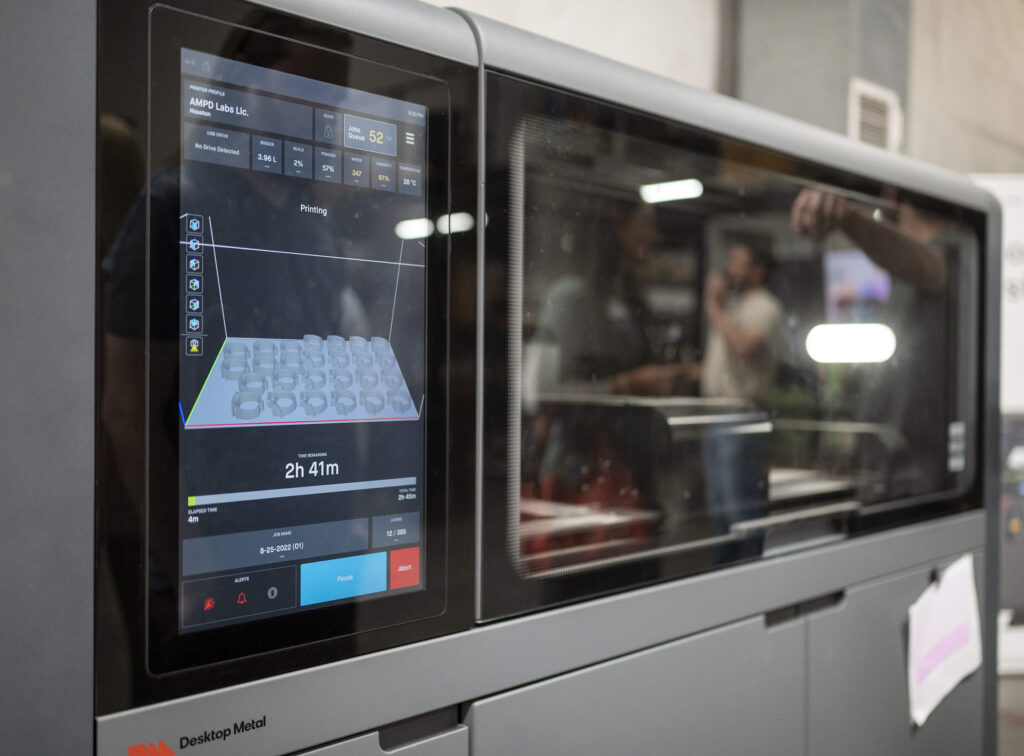
Metal binder jetting (MBJ) is an additive manufacturing process that has gained significant attention in recent years due to its ability to produce complex geometries with high precision and accuracy. MBJ involves the use of a binder to "glue" together metal powder particles, layer by layer, to create a final product.
Challenges with Traditional Investment Casting
Traditional investment casting supply chains face several challenges, including high tooling costs, long lead times, and a smaller supplier base. These challenges have led to the exploration of alternative production methods like MBJ, which can offer a faster and more flexible path to production and qualification of high-temperature superalloys like M247LC.
Comparison of Production Methods
| Production Method | Tooling Costs | Lead Time | Supplier Base |
|---|---|---|---|
| Traditional Investment Casting | High | Long | Small |
| Metal Binder Jetting (MBJ) | Low | Short | Large |
Webinar on Metal Binder Jetting for M247LC Production
A webinar titled "The Future of High-Temperature Superalloys: Binder Jetting MAR-M 247LC for Production Applications" will be held on August 6th, featuring experts from Continuum Powders and AmPd Labs. The webinar will discuss the latest mechanical testing results and qualification progress of binder-jetted M247LC, including its mechanical performance, ductility, and process repeatability.
Mechanical Performance of Binder-Jetted M247LC
Studies have shown that binder-jetted M247LC can achieve mechanical performance equivalent to conventional casting, with improved ductility and process repeatability. For example, a recent study found that binder-jetted M247LC exhibited a yield strength of 850 MPa and an ultimate tensile strength of 1200 MPa, comparable to conventionally cast M247LC.
Bottom Line
The use of metal binder jetting (MBJ) for producing high-temperature superalloys like M247LC offers a promising alternative to traditional investment casting supply chains. With its ability to produce complex geometries with high precision and accuracy, MBJ can provide a faster and more flexible path to production and qualification of M247LC. The upcoming webinar on August 6th will provide valuable insights into the latest developments and advancements in MBJ for M247LC production, and is a must-attend for industry professionals and researchers interested in this field.