Key Takeaways
- RIC Robotics is working on a 55-acre community in central Colorado, featuring 106 homes, with approximately two-thirds to be built using 3D printing technology.
- The community, called Cleora, will have its own metro district with integrated infrastructure, including utilities and recreational facilities.
- RIC Robotics is partnering with Colorado Mountain College to train students in automated construction.
- The project has already completed seven homes, with multiple units sold.
Introduction to 3D Printed Housing
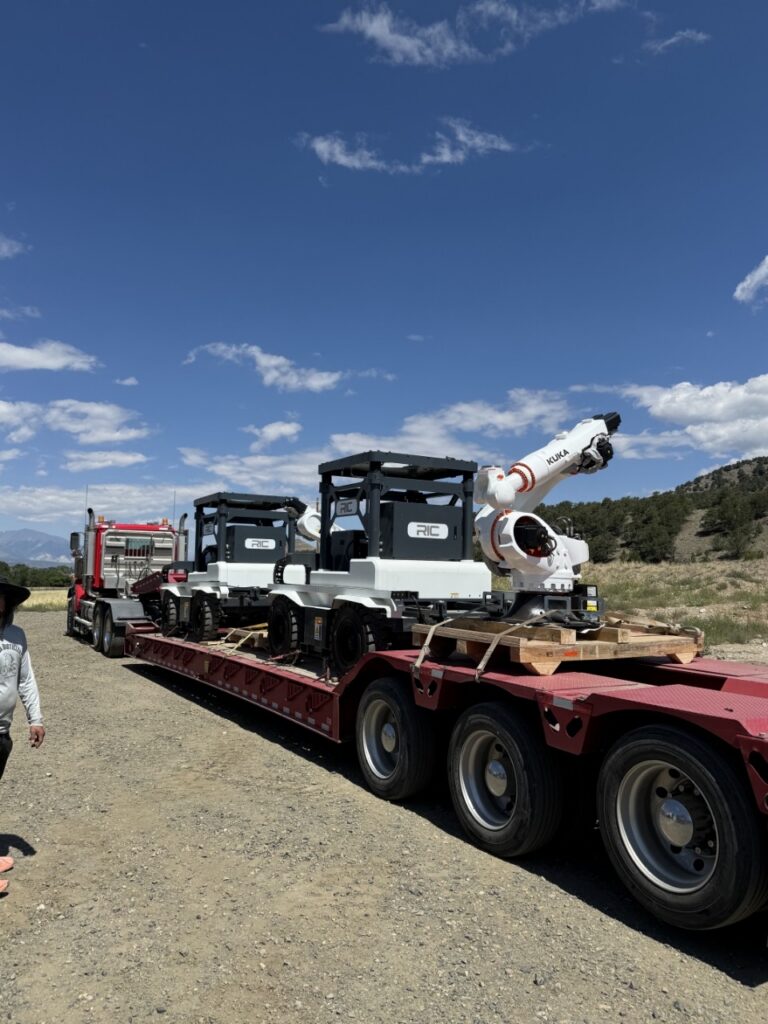
The US federal government has introduced the 21st Century Road to Housing Act, a comprehensive bill aimed at addressing the affordable housing issue. Meanwhile, the private sector is making breakthroughs in additive construction (AC), with RIC Robotics, a Denver-based AC service provider, working on one of the largest single 3D printed housing builds in central Colorado.
The Cleora Community
The Cleora community will comprise 106 homes, with around 70 homes planned to be built using RIC's AC robots. The community will have its own metro district, integrating provisions of infrastructure, including utilities and recreational facilities. This approach will facilitate a more efficient and cost-effective construction process.
Partnership and Training
RIC Robotics is partnering with Colorado Mountain College to train students in automated construction, providing a workforce for the growing demand in AC. This partnership will enable students to gain hands-on experience with RIC's AC robots and prepare them for careers in the industry.
Comparison of Traditional and 3D Printed Construction
| Method | Construction Time | Cost | Labor Required |
|---|---|---|---|
| Traditional | 6-12 months | $200-$500 per sqft | High |
| 3D Printed | 1-3 months | $100-$300 per sqft | Low |
Advantages of 3D Printed Construction
RIC Robotics' AC robots can print a home in as little as 1-3 months, significantly reducing construction time and labor costs. The use of 3D printing technology also enables the creation of complex designs and structures, which can be difficult or impossible to achieve with traditional construction methods.
Conclusion
The Cleora community in Colorado is a significant step forward in the adoption of 3D printed housing. With its integrated infrastructure and partnership with Colorado Mountain College, the project demonstrates the potential of AC to address the affordable housing issue. RIC Robotics' innovative approach to construction is poised to revolutionize the industry, providing faster, more efficient, and cost-effective solutions for homebuyers.
Bottom Line
The Cleora community is a groundbreaking project that showcases the potential of 3D printed housing to address the affordable housing issue. With its innovative approach to construction, RIC Robotics is poised to make a significant impact on the industry, providing faster, more efficient, and cost-effective solutions for homebuyers. As the demand for affordable housing continues to grow, the use of 3D printing technology is likely to become increasingly important in the construction industry.