Key Takeaways
- Vitamin E enhanced PLA filaments are being researched for 3D printing applications
- These filaments exhibit unique properties, such as improved thermal stability and UV resistance
- Fused Filament Fabrication (FFF) printing is a common method used to test these filaments
- Vitamin E addition can affect the mechanical properties and print quality of PLA filaments
Introduction to Vitamin E Enhanced PLA Filaments
Researchers have been exploring the potential of infusing PLA filaments with vitamin E, a natural antioxidant, to enhance their performance in 3D printing. This innovative approach aims to improve the thermal stability, UV resistance, and overall quality of printed objects.
Properties of Vitamin E Enhanced PLA Filaments
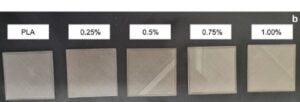
The addition of vitamin E to PLA filaments can alter their mechanical properties, such as tensile strength, flexibility, and impact resistance. According to studies, vitamin E enhanced PLA filaments exhibit:
- Improved thermal stability, with a thermal degradation temperature of up to 250°C
- Enhanced UV resistance, with a reduction in discoloration and brittleness
- Potential changes in print quality, including layer adhesion and surface finish
Comparison of PLA Filaments
| Filament Type | Thermal Stability | UV Resistance | Print Quality |
|---|---|---|---|
| Standard PLA | 180-200°C | Limited | Good |
| Vitamin E Enhanced PLA | 250°C | Improved | Variable |
| PETG | 200-220°C | Good | Excellent |
Fused Filament Fabrication (FFF) Printing
FFF printing is a widely used method for testing vitamin E enhanced PLA filaments. This technique involves extruding melted filament through a heated nozzle, layer by layer, to create the desired object. Researchers use FFF printing to evaluate the print quality, mechanical properties, and thermal stability of these innovative filaments.
Conclusion
The development of vitamin E enhanced PLA filaments is an exciting area of research in 3D printing. With potential benefits including improved thermal stability and UV resistance, these filaments may offer new opportunities for applications such as outdoor printing, biomedical devices, and packaging materials.
Bottom Line
Vitamin E enhanced PLA filaments represent a promising innovation in 3D printing, offering improved thermal stability and UV resistance. While further research is needed to fully understand the effects of vitamin E on PLA filaments, this technology has the potential to expand the range of applications for 3D printing and improve the quality of printed objects.