Key Takeaways
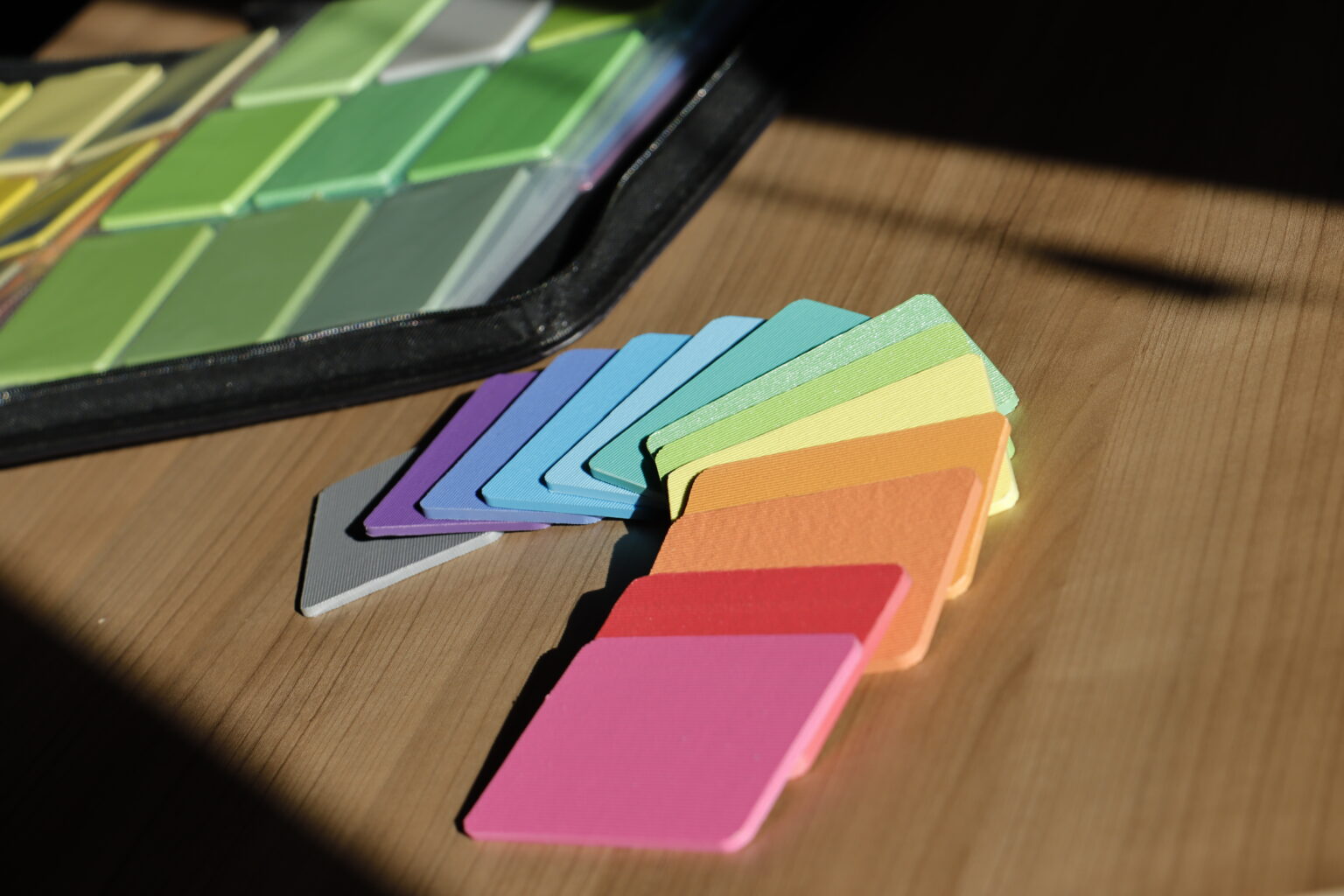
- CymphoniK is Polymaker’s end‑to‑end color‑mixing ecosystem for large‑format pellet 3D printing (LFAM).
- The system blends six base pellets (Cyan, Magenta, Yellow, Black, White, Neutral) to generate 100+ validated colors and will later support translucent shades.
- By integrating Palette software and an AI‑driven recipe engine, users can create precise hues on‑site in hours instead of weeks, while avoiding the typical 10 kg–100 kg minimum orders of traditional masterbatch suppliers.
- Ideal for custom‑color applications such as marketing displays, signage, set‑building, and select military components.
What Is CymphoniK?
Polymaker’s CymphoniK is a proprietary platform that combines three core elements:
| Component | Description | Benefit |
|---|---|---|
| Software | Palette cloud‑based color‑matching tool + AI recipe predictor (CIE‑based) | Calculates exact pellet ratios, reduces trial‑and‑error. |
| Hardware | On‑site mixing unit (precision screw extruder) capable of 0.5 %–2 % blend tolerance | Guarantees repeatable color fidelity across batches. |
| Materials | Six base pellets (C, M, Y, K, White, Neutral) formulated for PETG‑1213 R50 | Enables full‑spectrum output from pastel to deep‑rich shades. |
The ecosystem is purpose‑built for Large Format Additive Manufacturing (LFAM), where part volumes often exceed 10 kg and traditional filament‑based color solutions become impractical.
How It Works
- Select Target Color – Users input a Pantone, HEX, or CIE L*a*b* value into Palette.
- Algorithm Generates Recipe – AI predicts the optimal pellet mix and prints a step‑by‑step loading plan.
- Mix on Site – The CymphoniK mixer blends the six base pellets in the calculated proportions, producing a homogeneous batch ready for extrusion.
- Print – The resulting colored pellets feed directly into Polymaker’s LFAM extruders, delivering parts with the exact hue specified.
The entire loop—from color request to printable material—can be completed in under 8 hours, compared with 2–4 weeks for conventional masterbatch ordering.
Why Six Base Colors Matter
Earlier claims from companies like BotObjects suggested full‑color printing could be achieved with only CMYK pellets. In practice, white is indispensable for achieving true neutrals and pastel tones on opaque polymers. Polymaker’s inclusion of a dedicated White pellet and a Neutral (gray) pellet resolves this limitation, allowing:
- Pastel creation – By diluting saturated colors with white.
- Deep shadows – Using black in combination with the neutral base.
- Translucency – Future formulations will add semi‑transparent pigments, expanding the visual palette for lighting and architectural applications.
Comparison: Traditional Masterbatch vs. CymphoniK
| Factor | Traditional Masterbatch Suppliers | Polymaker CymphoniK |
|---|---|---|
| Lead Time | 2–4 weeks (shipping + production) | ≤ 8 hours on‑site |
| Minimum Order | 10 kg–100 kg per color | 0.5 kg per batch (mix on demand) |
| Color Range | Limited to pre‑mixed shades; custom colors require new batch | 100+ validated colors; AI can generate new hues instantly |
| Inventory Cost | High (multiple SKUs, warehousing) | Low (six base pellets stored) |
| Scalability | Suitable for mass production only | Scalable from prototype to production runs |
| Transparency Options | Rare, requires separate masterbatch | Planned translucent pigments in 2027 |
Real‑World Applications
- Marketing & Retail – Branded signage can be printed in exact corporate colors without waiting for a supplier’s batch run.
- Entertainment – Set designers can prototype props in bespoke shades, iterate quickly, and reduce waste.
- Defense – Camouflage components can be matched to specific theater palettes on the fly, eliminating large stockpiles of colored pellets.
Polymaker reports that, starting with PETG‑1213 R50, the system has already validated over 100 colors and is testing translucent formulations slated for release in 2027.
Bottom Line
Polymaker’s CymphoniK delivers a fast, flexible, and cost‑effective solution for custom‑color large‑format pellet 3D printing. By uniting six foundational pigments with intelligent software and on‑site mixing hardware, it eliminates the long lead times and high minimum orders that have historically constrained color‑specific additive manufacturing. For industries that demand rapid color iteration—whether for branding, set design, or mission‑critical hardware—CymphoniK represents a decisive step forward in turning digital color data into physical parts, on demand.