Key Takeaways
- The US Army has awarded Continuous Composites a contract to develop 3D printed missile components using carbon fiber technology.
- The contract is part of the US Army's Manufacturing Technology (ManTech) program, administered through America Makes.
- Continuous Composites has previously received funding for various DoD projects, including US Navy UAVs, Air Force airframes, and simulation software for 3D printed composites.
- The company's technology has the potential to increase agility in production, which is a key priority for the DoD.
- The use of 3D printing and carbon fiber can reduce production time and increase the performance of missile components.
Introduction to Continuous Composites
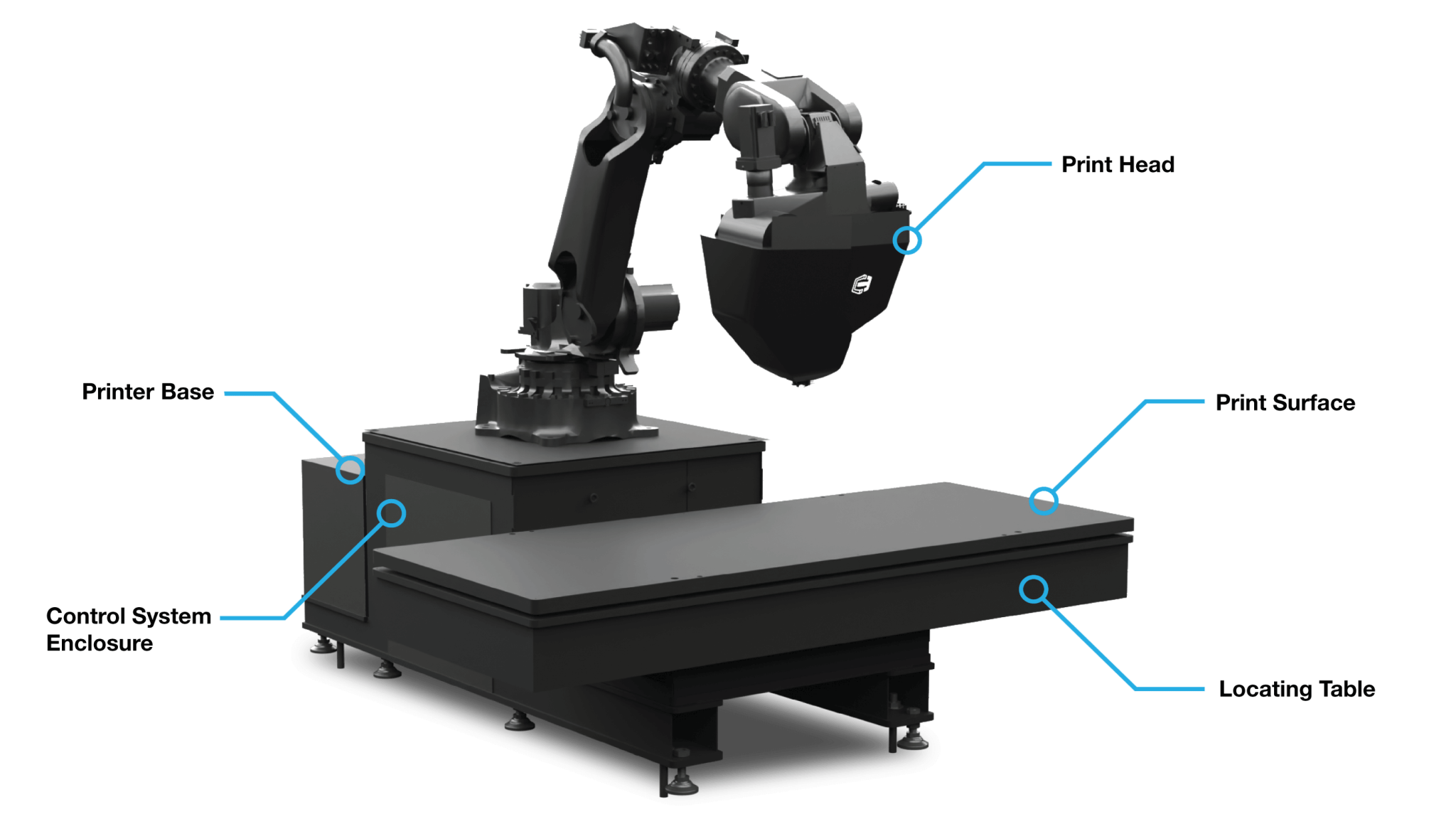
Continuous Composites is an Idaho-based original equipment manufacturer (OEM) of robotic arm extrusion 3D printers. The company has been awarded a multi-year contract by the US Army to develop 3D printed missile components using its carbon fiber technology. This contract is part of the US Army's effort to accelerate the development of new manufacturing approaches for next-generation missile components.
Benefits of 3D Printing in Missile Component Production
The use of 3D printing and carbon fiber in missile component production can offer several benefits, including:
Increased Agility
3D printing allows for rapid production of complex components, which can increase agility in production and reduce the time it takes to get products to market.
Improved Performance
Carbon fiber is a lightweight and high-strength material that can improve the performance of missile components.
Reduced Production Time
3D printing can reduce production time by allowing for the simultaneous production of multiple components.
Comparison of Traditional and 3D Printing Methods
| Method | Production Time | Material Properties | Complexity |
|---|---|---|---|
| Traditional | Longer | Limited | Limited |
| 3D Printing | Shorter | Improved | Increased |
Previous DoD Contracts
Continuous Composites has previously received funding for various DoD projects, including:
- US Navy UAVs: $1.25 million contract to advance joining methods with CF3D
- Air Force airframes: contract to develop lightweight airframes using carbon fiber technology
- Simulation software: contract to develop software specifically designed for 3D printed composites
Bottom Line
The US Army's contract with Continuous Composites is a significant development in the use of 3D printing and carbon fiber in missile component production. The company's technology has the potential to increase agility in production, improve performance, and reduce production time. With its previous experience in working with the DoD, Continuous Composites is well-positioned to play a key role in the development of next-generation missile components. As the DoD continues to prioritize agility and performance, the use of 3D printing and carbon fiber is likely to become increasingly important in the production of missile components.


