Key Takeaways
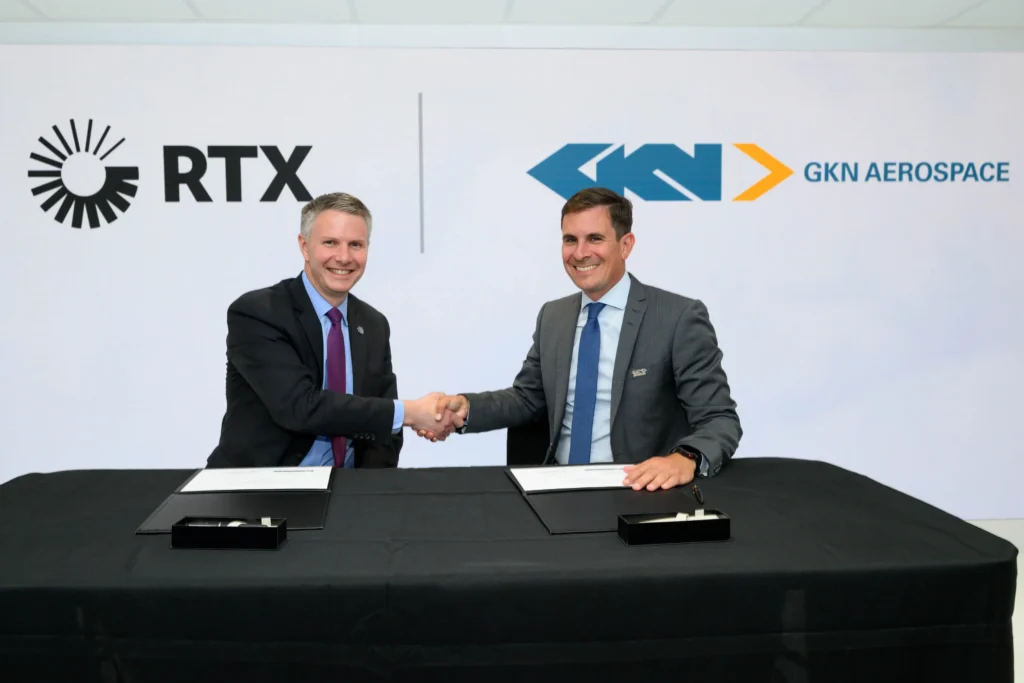
- GKN Aerospace and Pratt & Whitney collaborate on additive manufacturing for the F135 engine
- The partnership aims to develop certified parts by 2028 using GKN's Directed Energy Deposition (DED) process
- The project involves the Norwegian Defence Materiel Agency (NDMA) and may increase Norway's additive manufacturing capacity
- GKN's DED process will be used instead of Laser Powder Bed Fusion (LPBF)
Introduction to Additive Manufacturing in Aerospace
The F135 engine, powering the F-35 Lightning II, has faced quality issues, including cracked blades, incorrect titanium, micro cracking, and fires. To address these challenges, GKN Aerospace and Pratt & Whitney have signed a Technology Development Agreement to explore additive manufacturing solutions.
The Collaboration
The partnership between GKN Aerospace and Pratt & Whitney aims to develop an Additive Manufacturing demonstrator and deliver certified parts by 2028. The Norwegian Defence Materiel Agency (NDMA) will also be involved in the project, which may significantly enhance Norway's additive manufacturing capabilities.
Additive Manufacturing Process
Instead of using Laser Powder Bed Fusion (LPBF), the companies will utilize GKN's Directed Energy Deposition (DED) process. GKN has three DED centers located in Trollhättan, Sweden, Bristol, and Fort Worth, with the possibility of a fourth center being established in the future. GKN's experience with DED dates back to 2017, when they initiated a five-year Cooperative Research and Development Agreement (CRADA) with the Oak Ridge National Laboratory (ORN).
Comparison of Additive Manufacturing Processes
| Process | Description | Advantages | Disadvantages |
|---|---|---|---|
| DED | Directed Energy Deposition | High deposition rates, large build volumes | Limited resolution, high equipment costs |
| LPBF | Laser Powder Bed Fusion | High resolution, low material waste | Limited build volume, high energy consumption |
Implementation and Potential Impact
The successful implementation of additive manufacturing in the F135 engine program could have a significant impact on the aerospace industry. By 2028, the partnership aims to deliver certified parts, which could lead to improved engine performance, reduced production costs, and enhanced quality control.
Bottom Line
The collaboration between GKN Aerospace and Pratt & Whitney on additive manufacturing for the F135 engine has the potential to revolutionize the aerospace industry. By leveraging GKN's DED process, the partnership aims to develop certified parts by 2028, addressing the quality issues that have plagued the program. With the involvement of the Norwegian Defence Materiel Agency, this project may also contribute to the growth of Norway's additive manufacturing capabilities, ultimately benefiting the global aerospace industry.


