Key Takeaways
- Researchers from the University of Arkansas tested metal 3D printing in a Mars-like atmosphere to explore its potential for future space missions.
- The study aimed to determine if metal printing could be performed directly in a carbon dioxide environment, eliminating the need for argon gas.
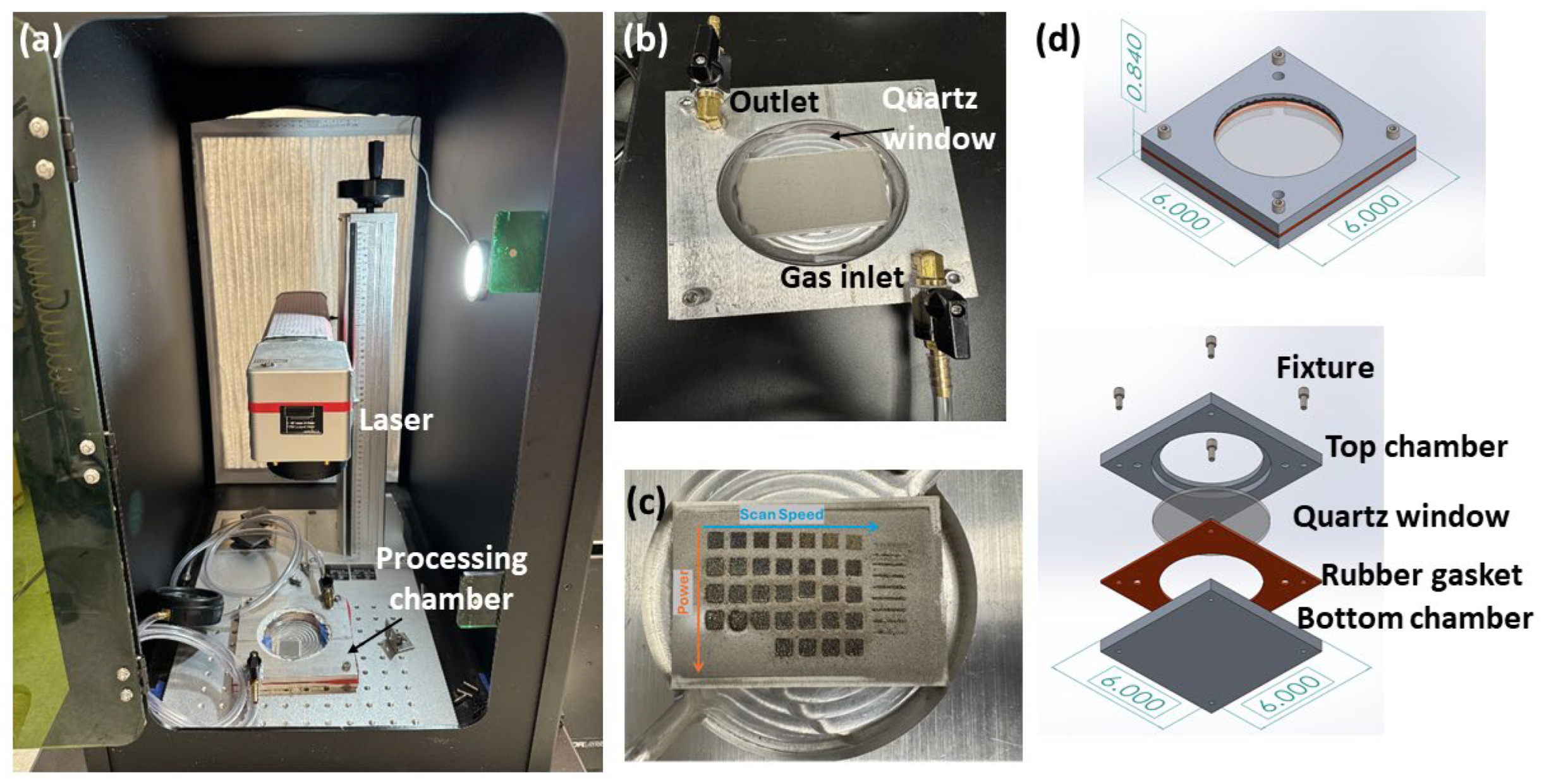
- A custom laser powder bed fusion (PBF-LB) system was used to print 316L stainless steel test samples in a sealed chamber filled with carbon dioxide.
- The results showed that metal printing in a Martian atmosphere is possible, but with some limitations and challenges.
Introduction to Metal 3D Printing in Space
As humans plan to establish a long-term presence on Mars, they will face significant manufacturing challenges. The lack of a nearby supply chain, replacement parts, and backup components will require innovative solutions. Additive manufacturing (AM) is being explored as a potential solution to support future space missions.
Challenges of Metal 3D Printing in a Martian Atmosphere
Most metal AM systems rely on argon gas to protect molten metal from oxidation during production. However, argon is not readily available on Mars, and transporting it from Earth would be expensive. The Martian atmosphere is composed of over 95% carbon dioxide, which could potentially be used as an alternative. Researchers from the University of Arkansas investigated the feasibility of metal printing in a carbon dioxide environment.
Experimental Setup and Results
The research team used a custom PBF-LB system with a 500-watt IPG fiber laser to print 316L stainless steel test samples. The sealed chamber was filled with carbon dioxide, and the results were compared to those obtained in an argon environment. The study found that metal printing in a Martian atmosphere is possible, but with some limitations and challenges.
Comparison of Printing Environments
| Environment | Gas Composition | Printing Quality |
|---|---|---|
| Earth (Argon) | 100% Argon | High |
| Mars (Carbon Dioxide) | 95% Carbon Dioxide | Lower, but acceptable |
| Mars (Simulated) | 95% Carbon Dioxide, 5% other gases | Variable |
Conclusion and Future Directions
The study demonstrated the potential of metal 3D printing in a Martian atmosphere, using carbon dioxide as a substitute for argon gas. While there are challenges to overcome, this research paves the way for future investigations into the use of AM in space missions. The ability to print metal parts on demand could significantly reduce the need for resupply missions and enhance the sustainability of human settlements on Mars.
Bottom Line
The University of Arkansas study has shown that metal 3D printing in a Martian atmosphere is feasible, although with some limitations. The use of carbon dioxide as a substitute for argon gas could enable the production of metal parts on Mars, reducing reliance on Earth-based supply chains. As space agencies and private companies plan for future missions to Mars, this research highlights the potential of additive manufacturing to support human exploration and settlement of the Red Planet.


