Key Takeaways
- 3D printing is changing the landscape of manufacturing, allowing developing economies to become more competitive with traditional manufacturing powers
- Additive manufacturing (AM) lowers barriers to entry, enabling countries to build strong manufacturing industries without massive investments in factories and equipment
- Digital production technologies like AM can help developing economies leapfrog traditional manufacturing methods and rapidly advance their industrial base
- 3D printing reduces upfront costs and enables companies to produce parts directly from digital files, making it an attractive option for countries looking to grow their manufacturing sector
Introduction to 3D Printing in Manufacturing
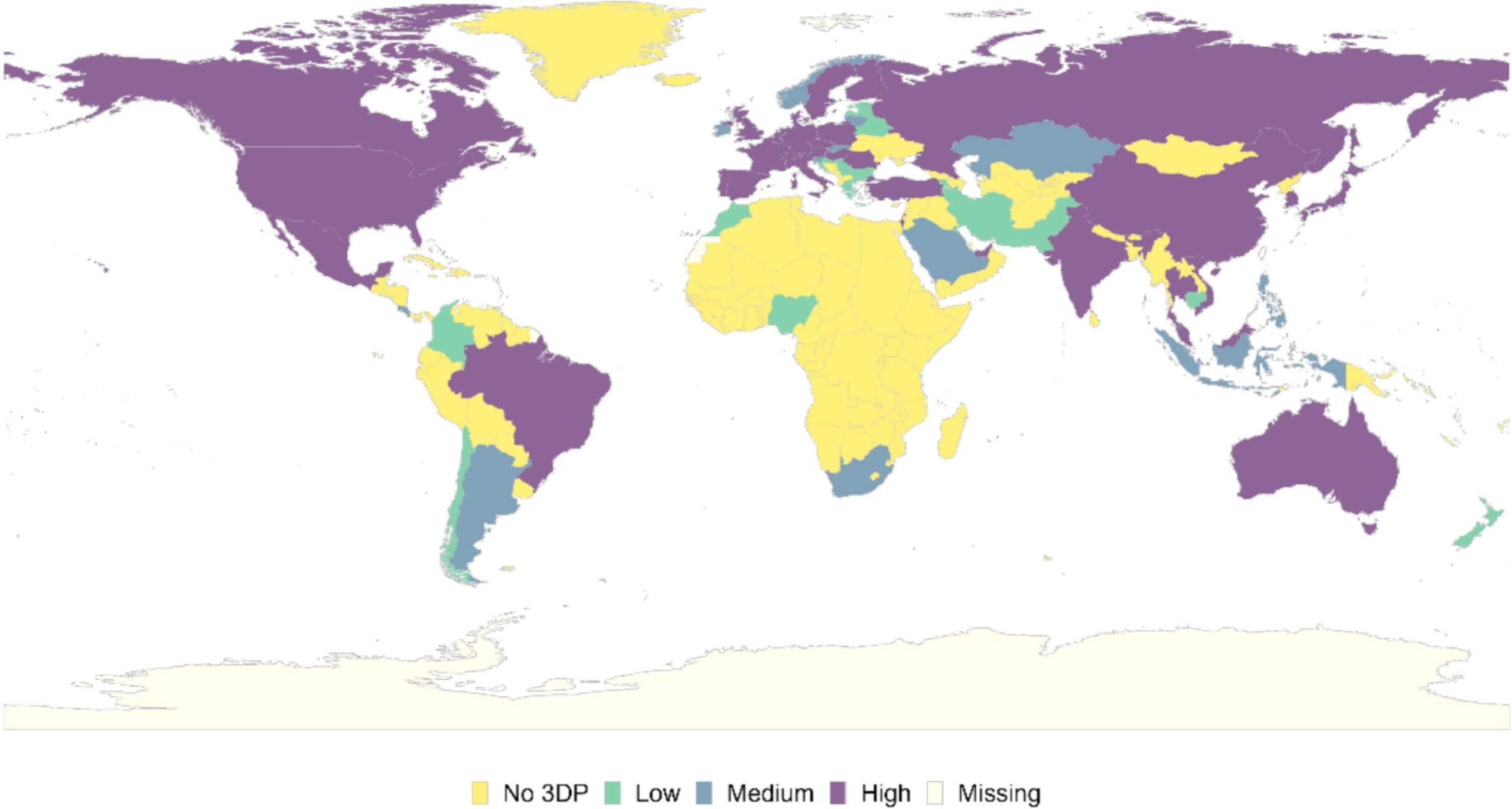
The University of Utrecht's human geographers, Nicola Cortinovis and Joric Donnet, have conducted a study on the impact of 3D printing on the manufacturing industry. Their research suggests that countries adopting 3D printing technologies are becoming more competitive with traditional manufacturing economies, particularly in exports. This is because additive manufacturing (AM) reduces the barriers that have historically hindered developing economies from building strong manufacturing industries.
The Geography of Production
The study, published in the journal Technological Forecasting and Social Change, explores how 3D printing is reshaping the "geography of production." Traditional manufacturing has long favored countries with massive factories, expensive machinery, and large-scale production systems. However, 3D printing changes this equation by enabling companies to produce parts directly from digital files, often with smaller manufacturing setups and lower upfront costs.
Comparison of Traditional and Additive Manufacturing
| Characteristics | Traditional Manufacturing | Additive Manufacturing (AM) |
|---|---|---|
| Initial Investment | High | Low |
| Factory Size | Large | Small |
| Production Volume | High | Variable |
| Upfront Costs | High | Low |
| Production Flexibility | Low | High |
Implications for Developing Economies
The researchers argue that developing economies may not need to follow the same path as older manufacturing powers. Instead of spending decades building massive factory ecosystems, some countries could rapidly advance their industrial base by adopting digital production technologies like AM. This could enable them to leapfrog traditional manufacturing methods and become more competitive in the global market.
Conclusion
The study by Cortinovis and Donnet highlights the potential of 3D printing to democratize manufacturing and enable developing economies to become more competitive. With its lower barriers to entry, reduced upfront costs, and increased production flexibility, AM is an attractive option for countries looking to grow their manufacturing sector.
Bottom Line
The University of Utrecht's study demonstrates that 3D printing is poised to revolutionize the manufacturing industry, enabling developing economies to become more competitive with traditional manufacturing powers. As the technology continues to evolve, it is likely to have a significant impact on the geography of production, enabling countries to build strong manufacturing industries without massive investments in factories and equipment. With its potential to reduce costs, increase flexibility, and improve production efficiency, 3D printing is an important technology to watch in the future of manufacturing.


