Key Takeaways
- The evolution of 3D printing has bridged the gap between commercial and consumer-level technology
- Early 3D printing technologies, such as stereolithography and selective laser sintering, were expensive and industrial-grade
- The RepRap project, started in 2005, played a significant role in developing hobby-level 3D printing
- Modern 3D printers are affordable, user-friendly, and widely available
Introduction to 3D Printing Evolution
The development of 3D printing technology has come a long way, transforming from an exclusive industrial tool to a consumer-friendly device. The journey between commercial 3D printing and modern, affordable machines is a story of innovation and perseverance.
Early Days of 3D Printing
In the early days, 3D printing technologies like stereolithography, selective laser sintering, and fused deposition modeling were used by companies that needed rapid prototyping. These systems were expensive, with prices ranging from $10,000 to $100,000 or more. The cost and complexity of these machines made them inaccessible to hobbyists and individuals.
The Bridge to Modern 3D Printing
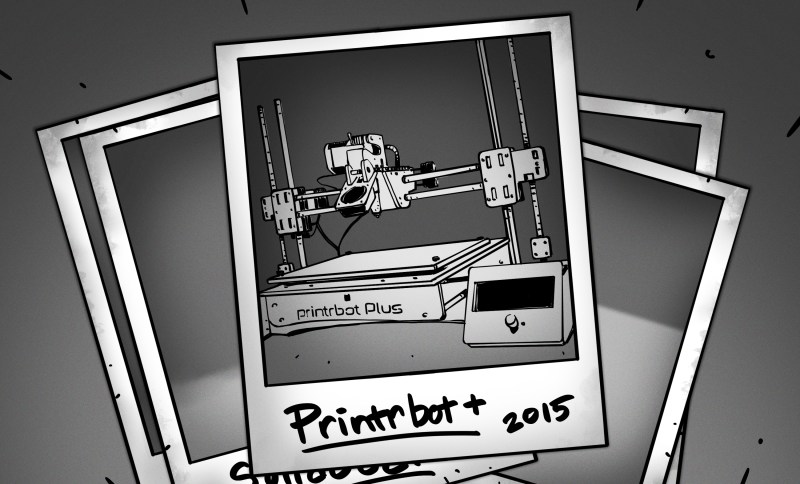
The RepRap project, initiated by Adrian Bowyer in 2005, marked a significant milestone in the development of hobby-level 3D printing. The project's goal was to create a self-replicating machine that could produce its own parts, making 3D printing more accessible and affordable. Other notable projects, such as Solidoodle and Printrbot, also contributed to the growth of the hobbyist 3D printing community.
Comparison of Early 3D Printing Technologies
| Technology | Description | Cost |
|---|---|---|
| Stereolithography | Uses a laser to solidify liquid resin | $10,000 - $50,000 |
| Selective Laser Sintering | Fuses together particles using a laser | $20,000 - $100,000 |
| Fused Deposition Modeling | Deposits melted plastic to create objects | $5,000 - $20,000 |
| RepRap | Self-replicating 3D printing machine | $500 - $1,000 |
Modern 3D Printing
Today, 3D printers are widely available, with prices starting from under $200. Modern machines are often plug-and-play, with user-friendly interfaces and automated processes. The affordability and ease of use of these machines have democratized access to 3D printing, enabling hobbyists, educators, and professionals to explore the technology.
Bottom Line
The evolution of 3D printing has been a remarkable journey, with the technology transforming from an industrial tool to a consumer-friendly device. The bridge between commercial and consumer-level 3D printing was built by innovators and hobbyists who pushed the boundaries of what was possible. Today, 3D printing is more accessible than ever, with a wide range of applications and uses. As the technology continues to advance, it will be exciting to see what the future holds for 3D printing and its potential to shape various industries and aspects of our lives.


