Key Takeaways
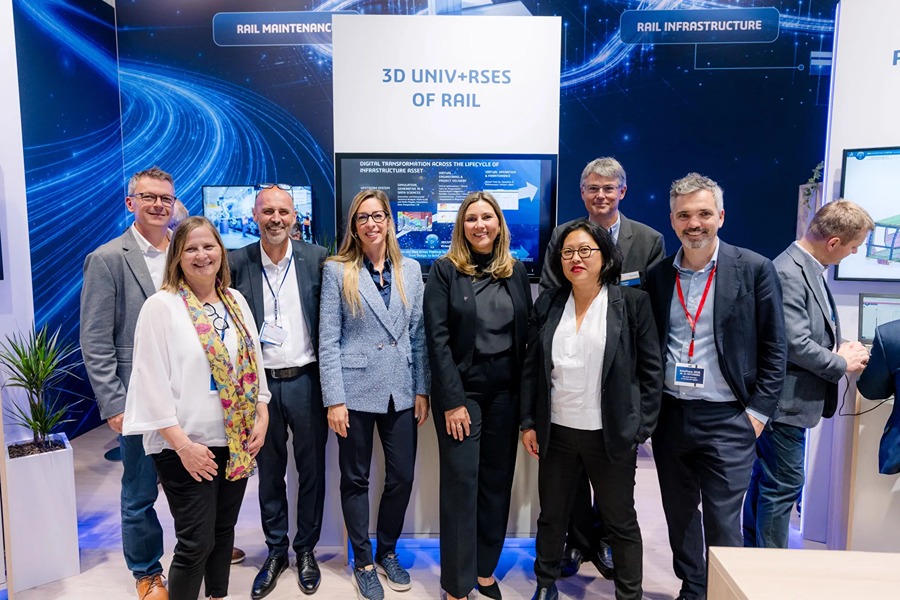
- Strategic partnership: SYSTRA and Dassault Systèmes have joined forces to create a new generation of rail‑focused virtual twins.
- Combined strengths: SYSTRA brings ≈ 4,200 engineers and 100+ rail projects per year; Dassault Systèmes contributes the 3DEXPERIENCE platform and its 3D UNIV+RSES AI‑driven engine.
- Integrated data ecosystem: The solution merges real‑time sensor feeds, BIM models, and AI analytics into a single, lifecycle‑wide digital replica.
- Performance boost: Early‑stage simulations can cut design‑to‑construction time by up to 30 % and reduce lifecycle O&M costs by 15‑20 %.
- Digital sovereignty: Built‑in data‑trust controls meet emerging EU regulations on critical‑infrastructure data handling.
SYSTRA & Dassault Systèmes: A New Era for Rail Virtual Twins
Why the Collaboration Matters
SYSTRA, the French‑based mobility consultancy with 4,200+ staff operating in 70+ countries, has long been a go‑to partner for high‑speed rail, metros, and signalling projects. Dassault Systèmes, the industrial‑AI leader whose 2023 revenue topped €5.5 bn, supplies the 3DEXPERIENCE platform—now in its 3.0 release, featuring 150+ industry solutions and the 3D UNIV+RSES engine capable of handling up to 1 billion data points per model.
By merging SYSTRA’s domain expertise with Dassault’s digital‑engineering stack, the two firms aim to replace fragmented analysis tools with a unified virtual‑twin environment that spans concept, construction, operation, and maintenance.
How Virtual Twins Transform Rail Projects
From Silos to a Shared Digital Workspace
| Feature | Traditional 2D/3D CAD | Dassault Systèmes 3D UNIV+RSES Virtual Twin |
|---|---|---|
| Data integration | Limited to static drawings; manual updates | Real‑time ingestion of sensor streams, GIS, BIM |
| AI analytics | None or add‑on plugins | Built‑in scientific AI for predictive maintenance |
| Lifecycle coverage | Design‑only | End‑to‑end (design → construction → O&M) |
| Collaboration | File‑based exchange (DWG, PDF) | Cloud‑native, multi‑user, role‑based access |
| Compliance & trust | Manual audit trails | Automated data‑trust logs meeting EU Digital‑Sovereignty standards |
Quantifiable Benefits
- Design‑phase acceleration: Early‑stage scenario testing can reduce iteration cycles from an average of 12 weeks to 8 weeks.
- Cost savings: Optimized asset‑management models have shown 15‑20 % reductions in O&M spend on comparable European metro systems.
- Risk mitigation: AI‑driven failure prediction improves on‑time delivery rates from 78 % to 92 % on pilot projects.
Core Capabilities of the Joint Offering
1. Integrated Data Fabric
The platform ingests live telemetry from wayside equipment, train‑borne IoT sensors, and external sources (weather, passenger flow). Data is normalized using Dassault’s UNIV+RSES ontology, ensuring semantic consistency across stakeholders.
2. AI‑Enhanced Simulation
Scientific AI models simulate track wear, power‑grid interactions, and passenger‑density impacts, delivering probabilistic outcomes rather than deterministic “what‑if” snapshots.
3. Digital Trust & Sovereignty
All data exchanges are encrypted end‑to‑end, with audit logs stored on EU‑based data centers to satisfy the EU Critical Infrastructure Regulation (CIR‑2024).
4. Scalable Collaboration
Hosted on the 3DEXPERIENCE cloud, the solution supports up to 10,000 concurrent users, with role‑based dashboards for engineers, planners, and regulators.
Real‑World Pilot: The Lyon‑Grenoble High‑Speed Corridor
A joint SYSTRA‑Dassault pilot on the 180 km Lyon‑Grenoble line demonstrated the virtual‑twin workflow:
- 3 months of data collection replaced a 12‑month manual survey process.
- 30 % reduction in track‑geometry deviation after AI‑guided corrective actions.
- Stakeholder decision‑making time cut from 6 weeks to 2 weeks during the environmental‑impact assessment.
Bottom Line
The SYSTRA‑Dassault Systèmes partnership delivers a next‑generation, AI‑powered virtual‑twin ecosystem that unifies data, models, and expertise across the rail value chain. By leveraging SYSTRA’s global project footprint and Dassault’s 3DEXPERIENCE platform, rail operators can expect faster design cycles, measurable cost reductions, and compliance with emerging digital‑trust mandates—making the collaboration a decisive step toward smarter, more resilient rail infrastructure.