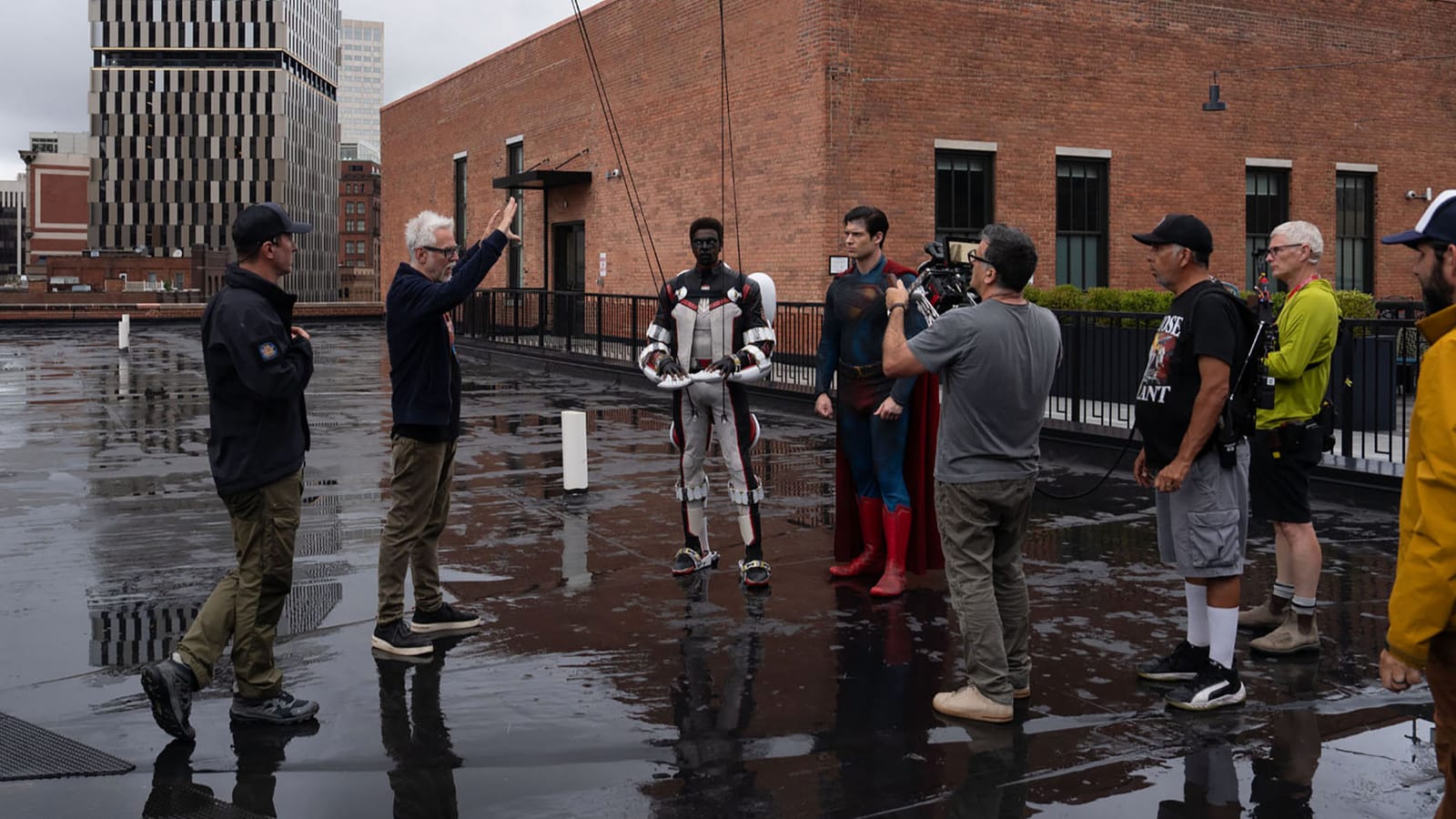
Key Takeaways
- The 2025 Superman film utilized 3D printing technology in its production, specifically in creating props and suits.
- Legacy Effects, a renowned studio, was responsible for building the physical elements of the film, including 3D printed components.
- The use of 3D printing allowed for increased efficiency and accuracy in the production process.
- The film's box office success, with a global opening of $220 million, was a significant win for DC Studios.
Introduction to 3D Printing in Film Production
The 2025 Superman film, directed by James Gunn, marked a new direction for DC Studios. While the film's success was widely reported, one aspect of its production that went largely unnoticed was the significant role of 3D printing technology. The film's physical elements, including props, suits, and animatronics, were created by Legacy Effects, a studio with a long history of working on major films such as Iron Man, Jurassic World, and Avatar.
The Role of Legacy Effects
Legacy Effects is a studio that specializes in creating physical elements for film and television productions. With years of experience in building props, suits, and animatronics, the studio has developed a reputation for its attention to detail and commitment to quality. For the 2025 Superman film, Legacy Effects utilized 3D printing technology to create complex components, including Mr. Terrific's flying seat, which was fully 3D printed.
Comparison of 3D Printing Technologies
| Technology | Resolution | Speed | Material |
|---|---|---|---|
| Fused Deposition Modeling (FDM) | 100-500 microns | 100-300 mm/s | Thermoplastics |
| Stereolithography (SLA) | 10-100 microns | 10-100 mm/s | Resins |
| Selective Laser Sintering (SLS) | 50-200 microns | 10-50 mm/s | Thermoplastics |
Benefits of 3D Printing in Film Production
The use of 3D printing technology in film production offers several benefits, including increased efficiency, accuracy, and flexibility. With 3D printing, complex components can be created quickly and with high precision, reducing the need for manual labor and minimizing the risk of errors. Additionally, 3D printing allows for the creation of complex geometries and structures that would be difficult or impossible to produce using traditional manufacturing methods.
Bottom Line
The use of 3D printing technology in the production of the 2025 Superman film demonstrates the growing importance of this technology in the film industry. With its ability to create complex components quickly and accurately, 3D printing is revolutionizing the way physical elements are created for film and television productions. As the technology continues to evolve, it is likely that we will see even more innovative applications of 3D printing in the film industry, leading to new and exciting possibilities for filmmakers and audiences alike.


