Key Takeaways
- Rice University researchers have developed a 3D printing method using focused microwaves to create electronics without damaging substrates.
- The near-field microwave 3D printing (NFP) process enables precise control over heating zones, allowing for the integration of freeform electronics onto various substrates.
- This technology has the potential to simplify electronic device manufacturing by allowing for the creation of entire circuits at scale using a desktop unit.
Introduction to Near-Field Microwave 3D Printing
The researchers at Rice University, led by Professor Yong Lin Kong, have made a significant breakthrough in 3D printing technology. By utilizing focused microwaves, they have developed a method to heat electronic inks without causing damage to the underlying materials. This innovation has the potential to overcome one of the major challenges in 3D printing electronics, which is the heat required to make the ink functional often damaging the substrate.
How Near-Field Microwave 3D Printing Works
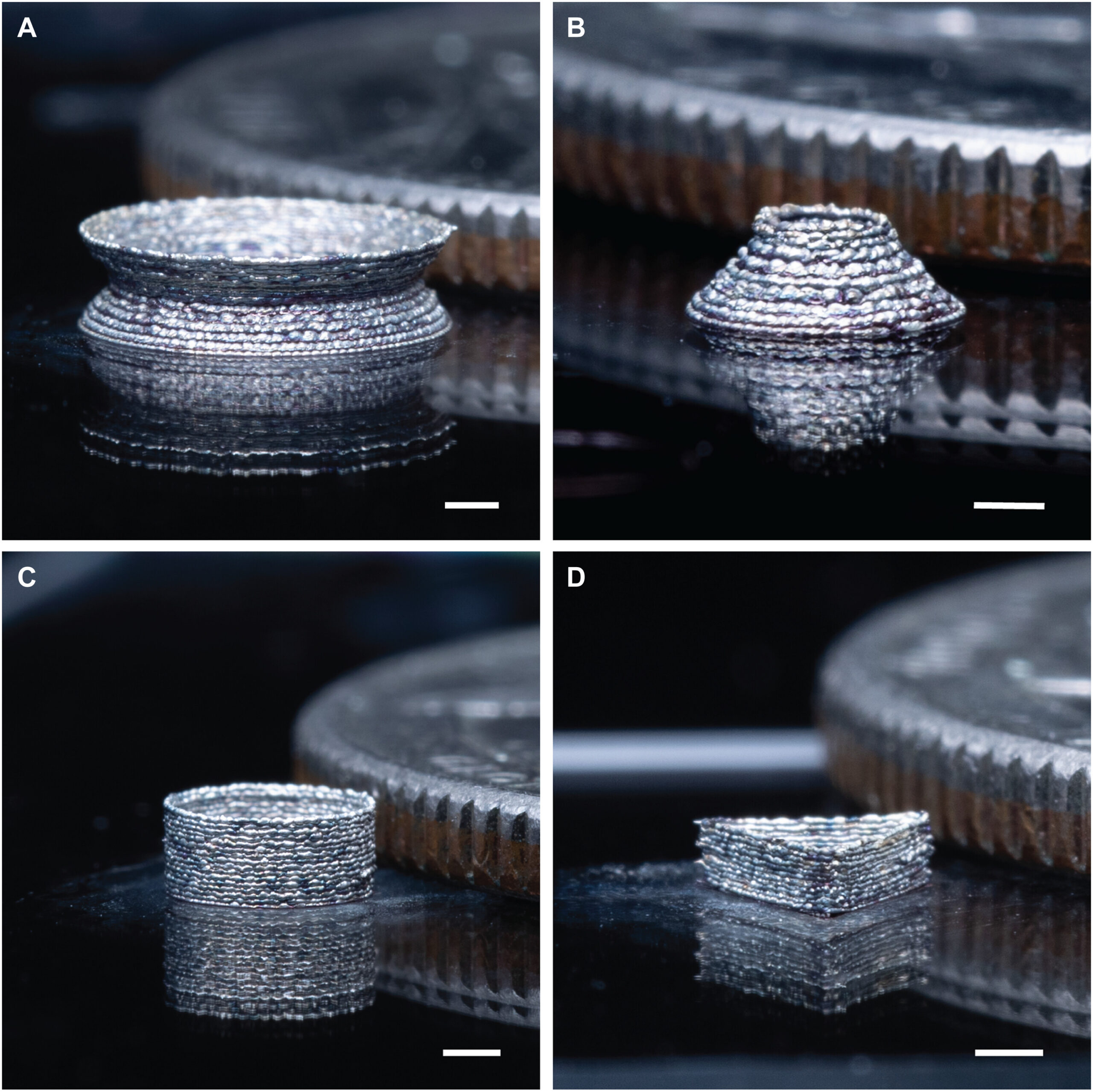
The NFP process builds upon the Meta-NFS device, developed in collaboration with the National University of Singapore researcher John Ho. This device creates directed near-field microwave energy, which can be focused into a heating zone as small as 0.1 millimeters, allowing for precise control during printing. When combined with microextrusion of nanoinks, local microstructure can be controlled, leading to programmable properties in circuits. This enables the creation of complex structures with varying materials and functions, such as ceramics, thermosets, metals, or doped inks.
Comparison of 3D Printing Methods
| Method | Resolution | Material Compatibility | Complexity |
|---|---|---|---|
| Near-Field Microwave 3D Printing | 0.1 mm | Broad range of substrates, including biopolymers and living biological tissue | High |
| Traditional 3D Printing | 0.1-1 mm | Limited to specific materials and substrates | Medium |
| Inkjet 3D Printing | 0.01-0.1 mm | Limited to specific inks and substrates | Low |
Potential Applications and Benefits
The NFP process has the potential to simplify electronic device manufacturing by allowing for the creation of entire circuits at scale using a desktop unit. This approach could reduce the need for centralized facilities and complex assembly, making it more accessible and efficient. With the ability to integrate freeform electronics onto various substrates, including biopolymers and living biological tissue, this technology could lead to breakthroughs in fields such as biomedical engineering and wearable technology.
Bottom Line
The development of near-field microwave 3D printing by Rice University researchers marks a significant advancement in the field of 3D printing electronics. With its potential to simplify electronic device manufacturing and enable the creation of complex structures with varying materials and functions, this technology could have a profound impact on various industries. As the researchers continue to refine and develop this technology, it will be exciting to see the innovative applications and breakthroughs that emerge.