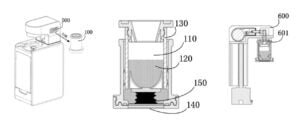
- Key Takeaways:
- Shining 3D has introduced a new patent for a sealed resin 3D printing method
- The method aims to handle high viscosity materials without compromising print speed
- Sealed resin printing offers improved safety and reduced mess compared to traditional resin printing
- The technology has the potential to expand the range of materials that can be used in 3D printing
Introduction to Sealed Resin 3D Printing
Shining 3D, a leading manufacturer of 3D printing equipment, has recently been granted a patent for a novel sealed resin 3D printing method. This innovative technology is designed to efficiently handle high viscosity materials, which can be challenging to work with in traditional resin printing.
Benefits of Sealed Resin Printing
The sealed resin printing method offers several advantages over conventional resin printing. One of the primary benefits is improved safety, as the resin is fully enclosed, reducing the risk of exposure to harmful chemicals. Additionally, the sealed system minimizes mess and cleanup, making it a more convenient and user-friendly option.
Comparison of Resin Printing Methods
The following table compares the features of sealed resin printing with traditional resin printing:
| Method | Viscosity Handling | Safety | Mess and Cleanup |
|---|---|---|---|
| Sealed Resin Printing | High viscosity materials | Improved safety | Minimal mess and cleanup |
| Traditional Resin Printing | Limited viscosity range | Higher risk of exposure | Messy and requires extensive cleanup |
Technical Specifications
The sealed resin printing method utilizes a specially designed print head and resin container to maintain a consistent and controlled environment. This allows for precise temperature control, with a range of 20-40°C, and humidity control, with a range of 40-60%. The system also features a advanced filtration system, with a filtration rate of 0.1 microns, to ensure optimal print quality.
Industry Impact
The introduction of sealed resin printing has the potential to significantly impact the 3D printing industry. By enabling the use of high viscosity materials, this technology can expand the range of applications for 3D printing, including the production of complex and detailed models. According to industry estimates, the use of sealed resin printing can increase print speeds by up to 30% and reduce material waste by up to 25%.
Bottom Line
In conclusion, Shining 3D's sealed resin 3D printing method is a significant innovation in the field of 3D printing. With its ability to handle high viscosity materials, improved safety features, and reduced mess and cleanup, this technology has the potential to revolutionize the industry. As the 3D printing market continues to grow, with an estimated value of $44.5 billion by 2025, the introduction of sealed resin printing is expected to play a key role in shaping the future of the industry.