Key Takeaways
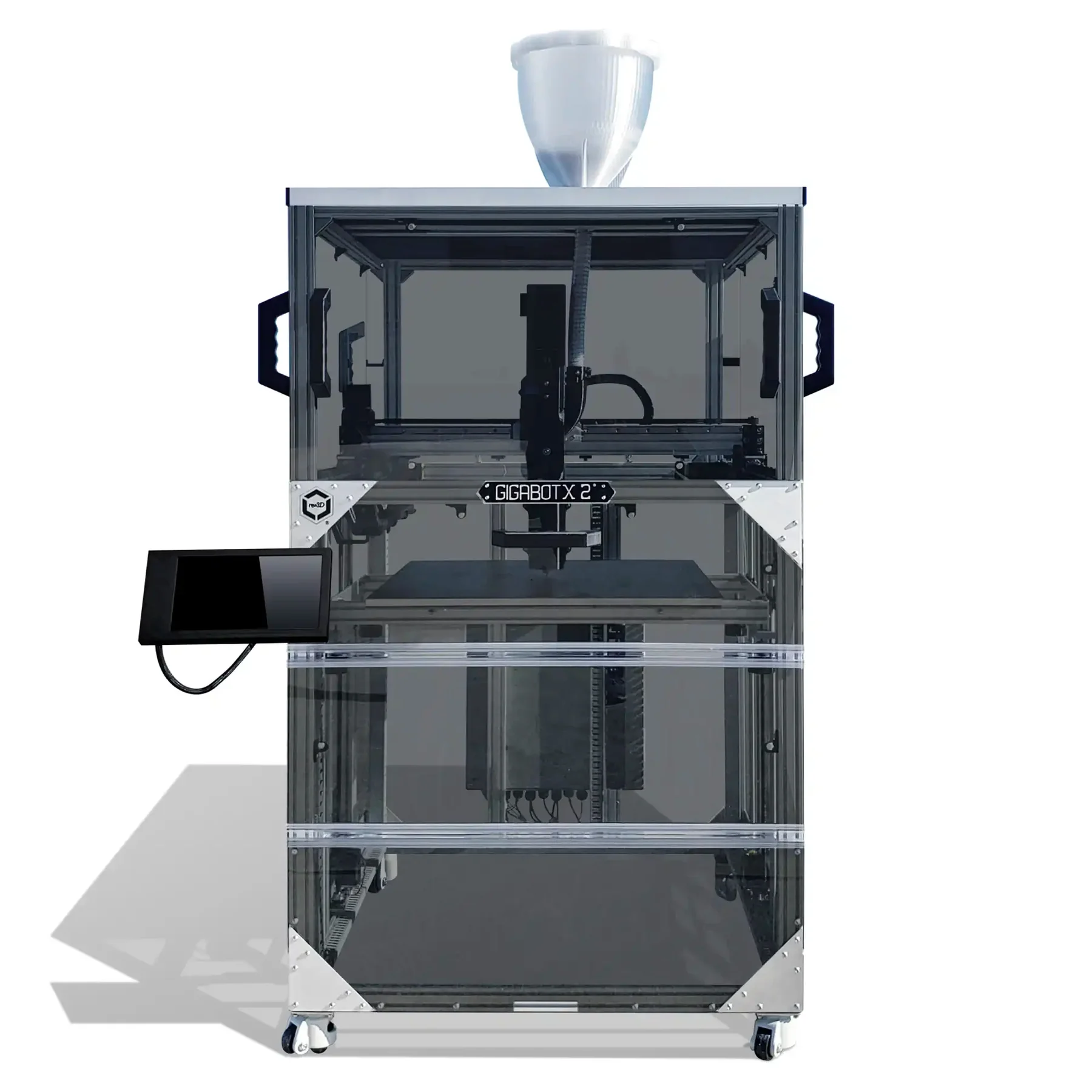
- On‑site part fabrication: re:3D’s Gigabot X2 can turn battlefield plastic waste into functional components in hours, not weeks.
- FGF technology: The printer feeds raw pellets (up to 250 kg h⁻¹) instead of filament spools, enabling use of recycled, flexible, and high‑temperature polymers.
- Portable GigaLab: A containerized system (2 × 2.5 × 2.7 m) integrates shredding, drying, and printing, requiring only 110 V power and a 30‑minute setup.
- Performance specs: 1 m³ build envelope, 150 mm s⁻¹ max extrusion speed, and part accuracy of ±0.2 mm.
- Military impact: Early field trials cut lead‑time for replacement brackets from 7‑14 days to under 12 hours, reducing logistical footprints.
re:3D’s Portable Recycling‑to‑Print Solution for Forward‑Deployed Forces
The Logistics Gap in Remote Operations
Units stationed far from supply depots often face prolonged downtime when a single bracket, fixture, or housing fails. Conventional logistics chains can add 5–14 days to the repair cycle, exposing personnel and equipment to unnecessary risk. The concept of “manufacture‑on‑demand” seeks to collapse that timeline by letting soldiers produce parts locally, using materials already on hand.
Gigabot X2: From Pellets to Parts
Fused Granulate Fabrication (FGF) vs. Traditional FFF
| Feature | Conventional FFF (filament) | re:3D Gigabot X2 (FGF) |
|---|---|---|
| Feedstock | 1.75 mm/2.85 mm filament spools (≤ 1 kg) | Plastic pellets or flakes (up to 250 kg h⁻¹) |
| Material Range | Limited to filament‑compatible polymers (PLA, ABS, PETG) | Flexible TPU, high‑temp PEEK, recycled HDPE/PP, carbon‑filled blends |
| Waste Utilization | Minimal (spool waste) | Direct use of on‑site waste streams |
| Setup Time | spool loading (≤ 5 min) | hopper fill & auto‑feed (≤ 10 min) |
| Cost per kg (material) | $20‑$45 | $2‑$8 (recycled feedstock) |
The Gigabot X2’s FGF head melts pellets at 260 °C ± 5 °C, pushing molten polymer through a 0.8 mm nozzle. Because the system bypasses filament extrusion, it avoids the energy‑intensive step of converting waste into filament, saving up to 30 % of total power consumption.
Core Technical Specs
- Build volume: 1000 × 1000 × 1000 mm (1 m³) – the largest in the portable class.
- Layer resolution: 0.1 – 0.4 mm, adjustable in 0.05 mm increments.
- Print speed: up to 150 mm s⁻¹ (extrusion rate 250 kg h⁻¹).
- Power draw: 3.2 kW (max) on standard 110 V three‑phase supply.
- Operating temperature range: −20 °C to +50 °C (environmental enclosure).
GigaLab: A Deployable Manufacturing Hub
The GigaLab is a ruggedized, ISO‑14644‑1 clean‑room container that houses three subsystems:
- Shredder – reduces collected plastic waste (bags, packaging, broken components) to 2‑5 mm flakes.
- Dryer – vacuum‑dries the flakes at 80 °C for 30 minutes, eliminating moisture that can cause porosity.
- Gigabot X2 printer – prints directly from the dried granulate.
The entire unit can be air‑lifted in a CH‑47 Chinook or loaded onto a standard 20‑ft cargo container. Setup time from off‑load to first print is under 30 minutes, and the system runs autonomously for up to 48 hours on a portable generator.
Field Validation and Tactical Benefits
A joint trial with the U.S. Army’s 101st Airborne Division in Fort Bragg demonstrated the following:
| Metric | Conventional Supply | GigaLab On‑Site |
|---|---|---|
| Lead time for a broken bracket (≈ 150 g) | 7‑14 days (air‑lift) | 8 hours (print + post‑process) |
| Material cost per part | $12 (procured) | $0.45 (recycled feed) |
| Weight saved in logistics | 5 kg (spare inventory) | 0 kg (no pre‑stock) |
| Operator training required | 1 day (logistics) | 2 hours (basic UI) |
Beyond speed, the ability to recycle mission‑generated waste reduces the environmental footprint of forward operations and lessens the need for hazardous waste disposal.
Challenges and Future Roadmap
- Material certification – Military standards (MIL‑STD‑883) require rigorous testing for each recycled polymer blend.
- Power logistics – While the printer can run on a 3 kW generator, sustained operations may demand solar‑augmented power packs.
- Scalability – re:3D is developing a smaller “GigaLab‑Lite” model (0.5 m³ build) for infantry squads, slated for 2027.
Bottom Line
re:3D’s Gigabot X2 and its GigaLab container deliver a practical, high‑volume solution for converting battlefield plastic waste into mission‑critical parts. By eliminating the filament‑spool bottleneck and integrating shredding, drying, and printing in a single deployable unit, the system can slash part‑replacement lead times from weeks to hours while cutting material costs by up to 96 %. As the U.S. Department of Defense continues to prioritize agile logistics and sustainability, on‑site FGF printing is poised to become a standard capability for forward‑deployed forces.


