Key Takeaways
- The US Navy has successfully installed a 3D printed metal component on an in-service submarine, marking a significant milestone in its additive manufacturing (AM) program.
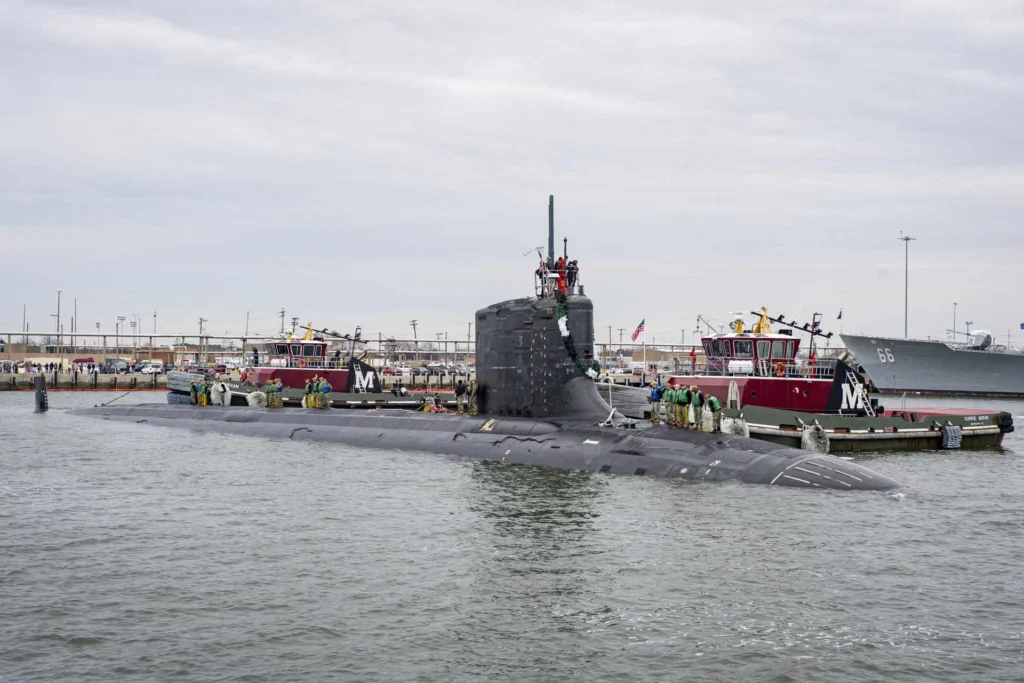
- The installed component, a copper-nickel flange, was manufactured using metal AM and passed inspection and testing before being installed on the USS Washington, a Virginia-class submarine.
- This achievement demonstrates the Navy's growing confidence in its metal AM capabilities and is expected to stimulate further adoption of the technology.
Introduction to the US Navy's Additive Manufacturing Program
The US Navy has been actively pursuing the development of its additive manufacturing (AM) program, with a focus on metal AM for submarines. This program aims to leverage the benefits of 3D printing, including increased efficiency, reduced lead times, and improved component performance. The recent installation of a 3D printed metal component on an in-service submarine marks a significant milestone in this program.
The Installed Component and Its Significance
The installed component, a copper-nickel flange, is a critical part used to connect other components, such as valves and pumps, to one another. The successful installation of this component demonstrates the Navy's growing confidence in its metal AM capabilities and its willingness to adopt this technology for mission-critical applications. The use of metal AM for this component also highlights the potential for improved performance and reduced maintenance requirements.
Comparison of Traditional Manufacturing and Additive Manufacturing
| Manufacturing Method | Traditional | Additive Manufacturing |
|---|---|---|
| Lead Time | Weeks to months | Days to weeks |
| Material Waste | High | Low |
| Component Complexity | Limited | High |
| Cost | High | Low to moderate |
Future Implications and Potential Applications
The success of the US Navy's metal AM program is expected to have significant implications for the future of submarine maintenance and repair. The use of additive manufacturing is likely to become more widespread, with potential applications including the production of spare parts, repair of damaged components, and even the creation of entirely new systems. The Navy's experience with metal AM is also expected to stimulate further research and development in this area, driving innovation and improvement in the field.
Bottom Line
The successful installation of a 3D printed metal component on an in-service submarine marks a significant milestone in the US Navy's additive manufacturing program. This achievement demonstrates the Navy's growing confidence in its metal AM capabilities and is expected to stimulate further adoption of this technology. As the Navy continues to develop and refine its metal AM program, it is likely to have significant implications for the future of submarine maintenance and repair, driving innovation and improvement in the field. With its potential to reduce lead times, improve component performance, and increase efficiency, additive manufacturing is poised to play a critical role in the future of the US Navy's submarine fleet.