Key Takeaways
- A new German patent application proposes a low-cost automated part removal system for 3D printers
- The system utilizes the existing motion system within the 3D printer
- This approach could simplify and reduce the cost of automated part removal
- The patent application highlights the potential for increased efficiency and productivity in 3D printing
Introduction to Automated Part Removal
Automated part removal is a crucial aspect of 3D printing, as it enables the efficient production of multiple parts without manual intervention. Currently, many 3D printers rely on manual part removal, which can be time-consuming and labor-intensive.
Proposed Solution
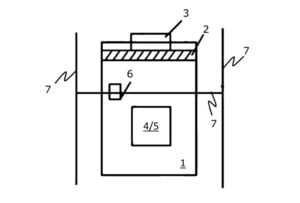
The new German patent application proposes a innovative solution to automate part removal. By leveraging the existing motion system within the 3D printer, the system can be simplified and costs reduced. This approach eliminates the need for additional hardware, such as robotic arms or complex mechanisms, which can be expensive and bulky.
Comparison of Automated Part Removal Systems
| System | Description | Cost | Complexity |
|---|---|---|---|
| Manual Removal | Manual removal of parts from the print bed | Low | Low |
| Robotic Arm | Robotic arm removes parts from the print bed | High | High |
| Proposed System | Utilizes existing motion system for part removal | Low | Medium |
Benefits of the Proposed System
The proposed system offers several benefits, including:
- Reduced costs: By utilizing the existing motion system, the cost of automated part removal is significantly reduced
- Increased efficiency: Automated part removal enables the production of multiple parts without manual intervention, increasing productivity
- Simplified design: The proposed system eliminates the need for complex mechanisms, making it easier to design and maintain
Bottom Line
The new German patent application proposes a low-cost automated part removal system for 3D printers, which could revolutionize the industry. By leveraging the existing motion system, the proposed system simplifies and reduces the cost of automated part removal, making it more accessible to manufacturers and hobbyists alike. With its potential to increase efficiency and productivity, this innovation is expected to have a significant impact on the 3D printing industry, enabling the production of complex parts and products with greater ease and speed.