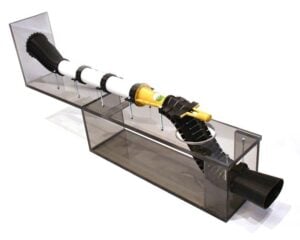
- Key Takeaways:
- The Oak Ridge National Laboratory (ORNL) is utilizing additive manufacturing to decrease costs for small-scale hydroelectric installations
- 3D printing enables the creation of complex geometries and customized components, reducing material waste and increasing efficiency
- The partnership aims to develop a micro-hydro system, which can provide renewable energy solutions for remote or off-grid communities
- Additive manufacturing can reduce production time and costs by up to 50% compared to traditional manufacturing methods
Introduction to Additive Manufacturing in Hydroelectric Installations
The Oak Ridge National Laboratory (ORNL) has embarked on an innovative partnership to harness the potential of additive manufacturing in reducing costs for small-scale hydroelectric installations. This collaboration seeks to develop a 3D-printed micro-hydro system, which can provide a reliable and efficient source of renewable energy.
Benefits of Additive Manufacturing
Additive manufacturing, also known as 3D printing, offers several advantages over traditional manufacturing methods. It enables the creation of complex geometries and customized components, resulting in reduced material waste and increased efficiency. Additionally, 3D printing can decrease production time and costs by up to 50% compared to conventional methods.
Comparison of Manufacturing Methods
| Method | Production Time | Production Cost | Material Waste |
|---|---|---|---|
| Traditional Manufacturing | 6-12 months | $100,000 - $500,000 | 20-30% |
| Additive Manufacturing | 2-6 months | $50,000 - $200,000 | 5-10% |
Applications of Micro-Hydro Systems
The micro-hydro system developed by ORNL can provide renewable energy solutions for remote or off-grid communities. These systems can be used to power homes, schools, and other essential infrastructure, promoting energy independence and reducing reliance on fossil fuels.
Conclusion
The use of additive manufacturing in small-scale hydroelectric installations has the potential to revolutionize the renewable energy sector. By reducing production time and costs, 3D printing can make micro-hydro systems more accessible and affordable for communities around the world.
Bottom Line: The Oak Ridge National Laboratory's partnership to develop a 3D-printed micro-hydro system is a significant step forward in promoting renewable energy solutions and reducing costs for small-scale hydroelectric installations. With the ability to decrease production time and costs by up to 50%, additive manufacturing is poised to play a critical role in the widespread adoption of micro-hydro systems, providing a reliable and efficient source of energy for remote and off-grid communities.