Key Takeaways
- Oak Ridge National Laboratory (ORNL) has developed a system to improve error mitigation in large polymer parts using 3D printing technologies.
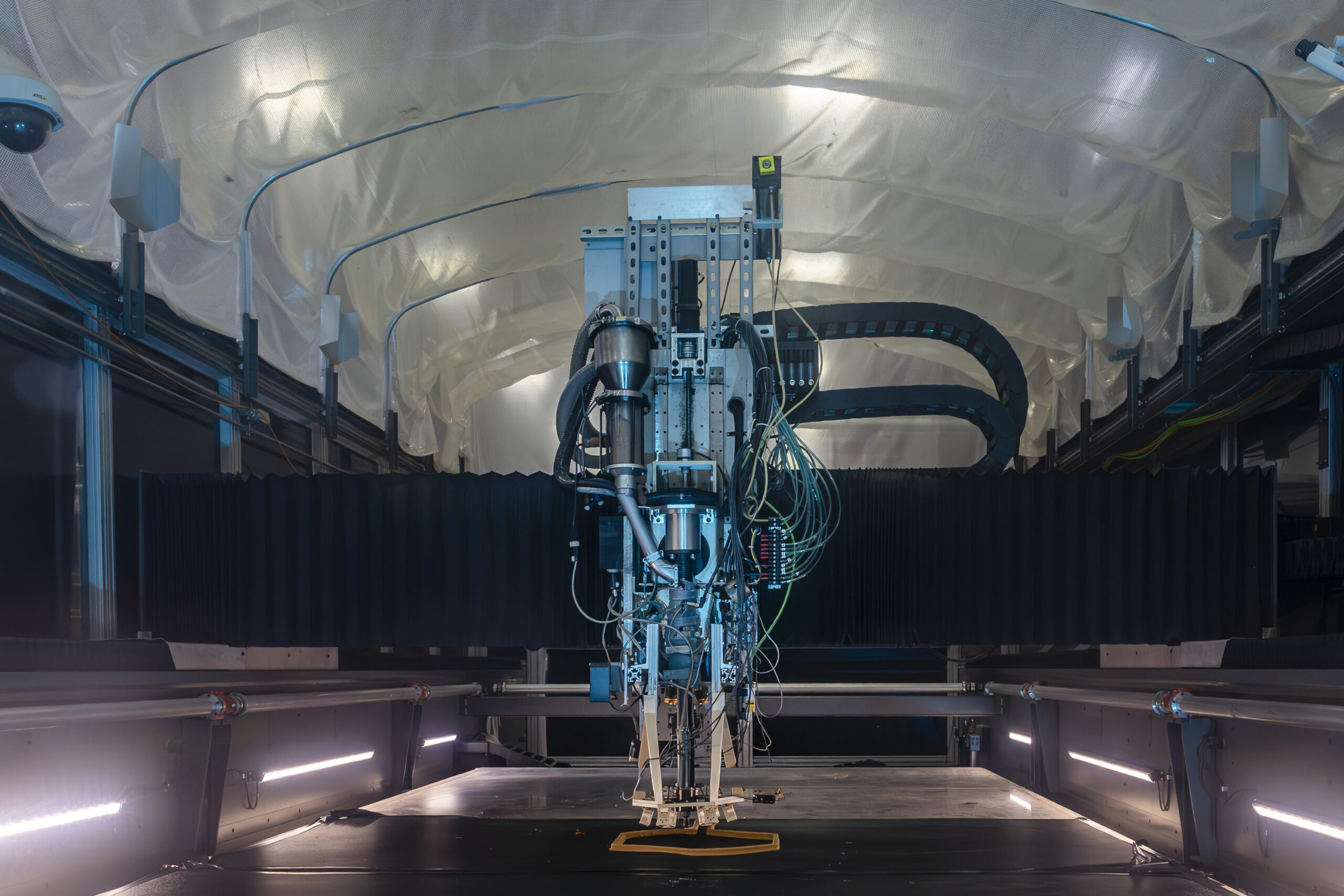
- The system utilizes six thermal cameras to analyze the deposition, hardening, and cooling behavior of the beads as they are deposited.
- Computer vision is used to adjust the temperature and extrusion parameters in response to defects, optimizing intra-layer bonding.
- The system can adjust temperature variants to a few degrees, allowing for real-time correction of errors.
- The technology has the potential to be used for any printable part, without requiring retraining of the AI model.
Introduction to Error Mitigation in 3D Printing
The production of large polymer parts using 3D printing technologies can be prone to errors, resulting in defective products. To address this issue, researchers at Oak Ridge National Laboratory (ORNL) have developed a system that utilizes thermal cameras and computer vision to detect and correct errors in real-time.
Technical Specifications of the System
The ORNL system consists of six thermal cameras that monitor the deposition, hardening, and cooling behavior of the beads as they are deposited. The cameras capture data at a high resolution, allowing for precise analysis of the printing process. The system can adjust temperature variants to a few degrees, enabling real-time correction of errors.
Comparison of Error Mitigation Systems
| System | Number of Thermal Cameras | Adjustment Capability | Real-Time Correction |
|---|---|---|---|
| ORNL System | 6 | Temperature variants to a few degrees | Yes |
| Aibuild System | Not specified | Adjusting parameters in real-time | Yes |
Advantages of the ORNL System
The ORNL system offers several advantages over other error mitigation systems. The use of six thermal cameras provides a high level of precision, allowing for accurate detection and correction of errors. The system's ability to adjust temperature variants to a few degrees enables real-time correction, reducing the likelihood of defective products. Additionally, the system does not require retraining of the AI model for new parts, making it a versatile solution for various printing applications.
Conclusion and Future Developments
The ORNL system has the potential to revolutionize the production of large polymer parts using 3D printing technologies. With its ability to detect and correct errors in real-time, the system can significantly reduce the likelihood of defective products. Future developments may focus on further improving the system's precision and versatility, enabling its widespread adoption in various industries.
Bottom Line
The ORNL system represents a significant advancement in error mitigation for large polymer parts produced using 3D printing technologies. Its use of thermal cameras and computer vision enables precise detection and correction of errors, reducing the likelihood of defective products. With its potential for widespread adoption, the ORNL system is poised to play a key role in the future of 3D printing.


