Key Takeaways
- The nuclear energy industry is experiencing a resurgence in interest due to global events, with a focus on revitalizing the supply chain
- Additive manufacturing (AM) can aid in the nuclear energy buildup by reducing costs and production time
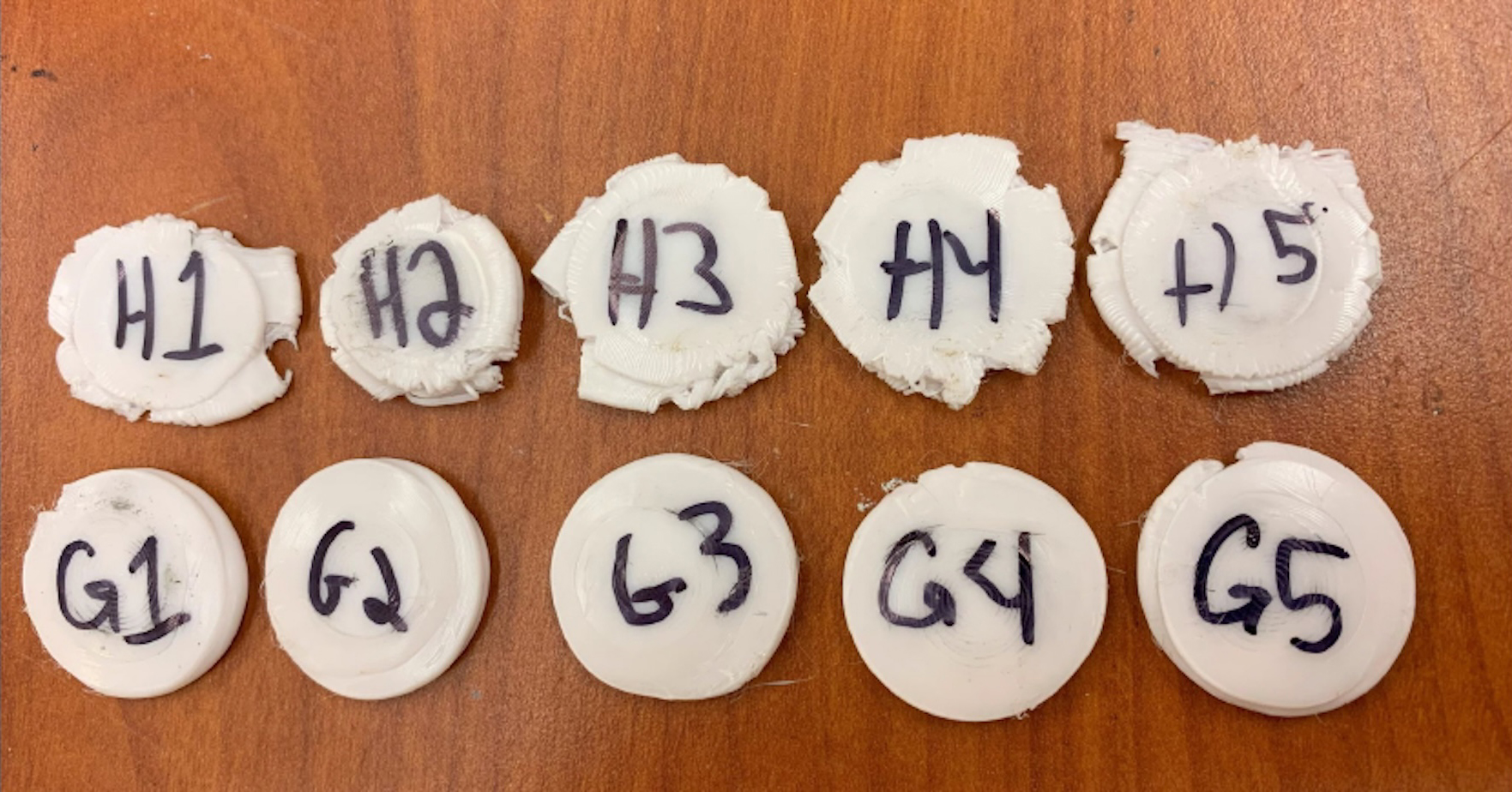
- A case study by Orano Federal Services and UNC Charlotte demonstrates the potential of AM in producing impact limiters for transportation casks
- The current recycling protocol for spent nuclear fuel (SNF) in the US is expected to change, creating demand for hardware production
- AM can produce complex components, such as impact limiters, with increased precision and reduced material waste
Introduction to Nuclear Energy Resurgence
The nuclear energy industry has been significantly impacted by global events, including the ongoing occupation of Ukraine and the US-Israel attacks on Iran. As a result, nations such as the US have seen a renewed interest in nuclear energy, with a focus on revitalizing the supply chain. However, this process is long-term and can benefit from the use of additive manufacturing (AM) to aid in the buildup.
Additive Manufacturing in Nuclear Energy
AM has been gaining attention in the nuclear energy sector, with notable growth in research and development (R&D) for nuclear power applications. A recent case study by Orano Federal Services and UNC Charlotte highlights the potential of AM in reducing costs and production time for nuclear energy hardware. The study focuses on the production of impact limiters for transportation casks, which are critical components in the safe transportation of spent nuclear fuel (SNF).
Spent Nuclear Fuel and Transportation Casks
The US nuclear industry recycles approximately 2,000 metric tons of SNF per year, with individual operators currently responsible for their own disposal processes. However, this is expected to change with the construction of a central repository for SNF, creating demand for the production of transportation casks and their associated hardware. Transportation casks are large structures, weighing up to 250,000 pounds, and require complex components such as impact limiters to ensure safe transportation.
Comparison of Traditional and Additive Manufacturing
| Method | Material Waste | Production Time | Precision |
|---|---|---|---|
| Traditional Manufacturing | High | Long | Limited |
| Additive Manufacturing | Low | Short | High |
The use of AM in producing impact limiters offers several advantages over traditional manufacturing methods, including reduced material waste, shorter production time, and increased precision.
Conclusion
The nuclear energy industry is poised for a resurgence, and additive manufacturing can play a critical role in reducing costs and production time. The case study by Orano Federal Services and UNC Charlotte demonstrates the potential of AM in producing complex components, such as impact limiters, with increased precision and reduced material waste.
Bottom Line
The nuclear energy industry is experiencing a resurgence, driven by global events and a focus on revitalizing the supply chain. Additive manufacturing offers a promising solution for reducing costs and production time, particularly in the production of complex components such as impact limiters for transportation casks. With its ability to produce components with increased precision and reduced material waste, AM is poised to play a critical role in the nuclear energy industry's future.


