Key Takeaways
- The University of Miami's Miller School of Medicine has opened a new bioprinting facility to develop living tissues, patient-specific implants, and advanced drug delivery systems.
- The facility is located within the Dr. John T. Macdonald Foundation Biomedical Nanotechnology Institute (BioNIUM) and brings together researchers, engineers, and clinicians.
- The goal is to accelerate the development of personalized medical treatments and regenerative medicine technologies.
- The facility offers a range of technologies, including tissue models, bone regeneration scaffolds, bioactive molecules, and microfluidic devices.
- The platform can create features as small as 200 nanometers while preserving living cells during printing.
Introduction to Bioprinting
Bioprinting is a rapidly advancing field that involves the use of 3D printing technologies to create living tissues and organs. The University of Miami's new bioprinting facility is a significant step forward in this field, offering a range of technologies and expertise under one roof.
Facilities and Technologies
The bioprinting facility is equipped with a range of technologies, including:
| Technology | Description | Resolution |
|---|---|---|
| Tissue Models | 3D printed models of living tissues | 200 nanometers |
| Bone Regeneration Scaffolds | 3D printed scaffolds for bone regeneration | 100 microns |
| Bioactive Molecules | Molecules that can recognize and target diseased cells | 10 nanometers |
| Microfluidic Devices | Devices that can manipulate and analyze small amounts of fluid | 1 micron |
Comparison of Bioprinting Technologies
The University of Miami's bioprinting facility offers a range of technologies that are comparable to other leading bioprinting facilities. The following table compares the resolution and capabilities of different bioprinting technologies:
| Technology | Resolution | Capabilities |
|---|---|---|
| Stereolithography (SLA) | 100 microns | High-resolution printing of living tissues |
| Fused Deposition Modeling (FDM) | 100 microns | Printing of thermoplastic materials |
| Inkjet Bioprinting | 10 microns | High-resolution printing of living cells and tissues |
Expert Insights
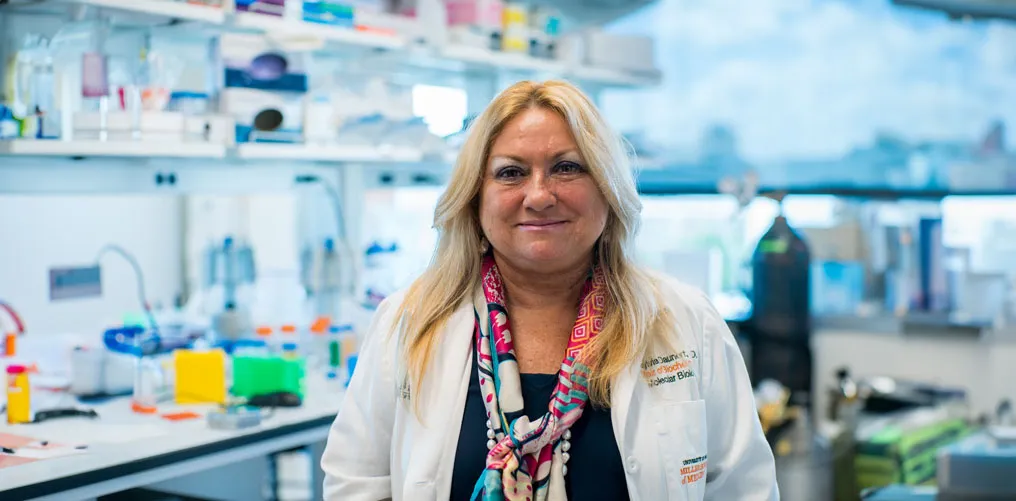
According to Dr. Sylvia Daunert, director of BioNIUM, "We make molecules called nano-carriers that recognize diseased cells. They act like a GPS and deliver drugs where they're needed. These technologies are making a huge impact on medicine." The facility's capabilities are expected to accelerate the development of personalized medical treatments and regenerative medicine technologies.
Bottom Line
The University of Miami's new bioprinting facility is a significant step forward in the development of living tissues and organs. With its range of technologies and expertise, the facility is expected to accelerate the development of personalized medical treatments and regenerative medicine technologies. The facility's capabilities, including its high-resolution printing and preservation of living cells, make it an ideal location for researchers and clinicians to develop new treatments and therapies.


