Key Takeaways
- NASA has selected Relativity Space as its commercial partner for a Mars science mission launching in 2028
- The mission, Aeolus, will study the Martian atmosphere using a suite of instruments developed by NASA
- Relativity Space will provide the spacecraft, launch vehicle, and mission operations
- The mission aims to improve understanding of Martian winds, temperatures, dust, and clouds to support future robotic and human missions
Introduction to the Mission
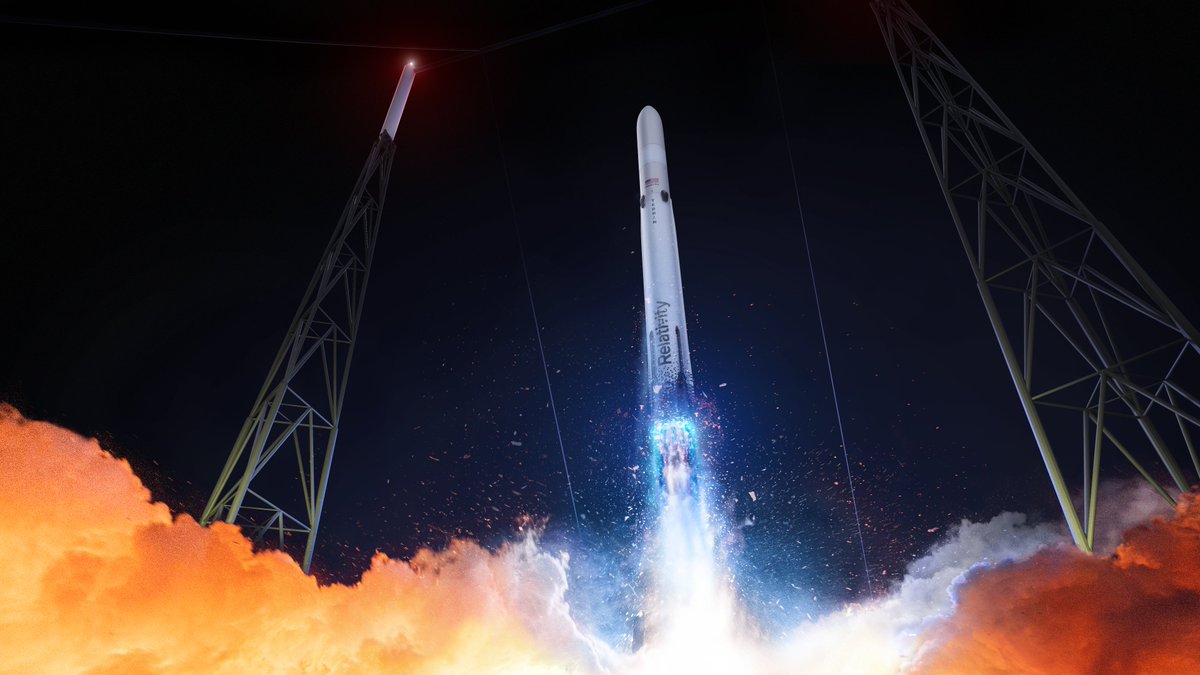
NASA has chosen Relativity Space, a renowned additive manufacturing company in the space industry, to collaborate on a new Mars science mission. Scheduled to launch in 2028, the mission will leverage Relativity Space's expertise in 3D printing and spacecraft development to deliver a suite of atmospheric science instruments to Mars.
Mission Objectives and Instruments
The Aeolus mission will focus on studying the Martian atmosphere, with a specific emphasis on understanding winds, temperatures, dust, and clouds. The payload, developed by NASA, will consist of four instruments designed to track atmospheric conditions across Mars. NASA Ames Research Center will oversee payload development and integration, while Relativity Space will handle spacecraft development and mission operations.
Partnership and Agreement
The mission is being carried out under a six-year Space Act Agreement between NASA and Relativity Space, providing a framework for long-term development and mission support. This public-private partnership aims to accelerate the delivery of essential data to researchers, ultimately supporting future human missions to Mars.
Comparison of Space Act Agreements
| Agreement | Partner | Duration | Objective |
|---|---|---|---|
| Space Act Agreement | Relativity Space | 6 years | Develop and launch Aeolus mission |
| Space Act Agreement | Other partners | Varies | Collaborate on various space-related projects |
Benefits and Impact
The Aeolus mission is expected to fill a significant knowledge gap in Martian atmosphere research, providing valuable insights for future robotic and human missions. By tracking daily atmospheric conditions, the mission will help scientists improve models used for spacecraft entry, descent, and landing, ultimately reducing risks for future missions.
Bottom Line
The partnership between NASA and Relativity Space marks a significant milestone in the development of the Aeolus mission, leveraging the strengths of both organizations to advance our understanding of the Martian atmosphere. With a launch scheduled for 2028, the mission is poised to deliver critical data and insights, supporting future human missions to Mars and cementing Relativity Space's position as a leading player in the space industry.