Key Takeaways
- Digital inventory and distributed manufacturing can reduce supply chain risk and dependence on traditional warehousing
- Additive manufacturing (AM) is being explored as a production tool across various industries, including aerospace, energy, and defense
- Würth Additive Group's Digital Inventory Services (DIS) platform enables secure, traceable digital supply chains through AM
- Dr. Mikhail Gladkikh has 17 years of experience in mission-critical industries, including research, engineering, logistics, and AM
Introduction to Digital Inventory
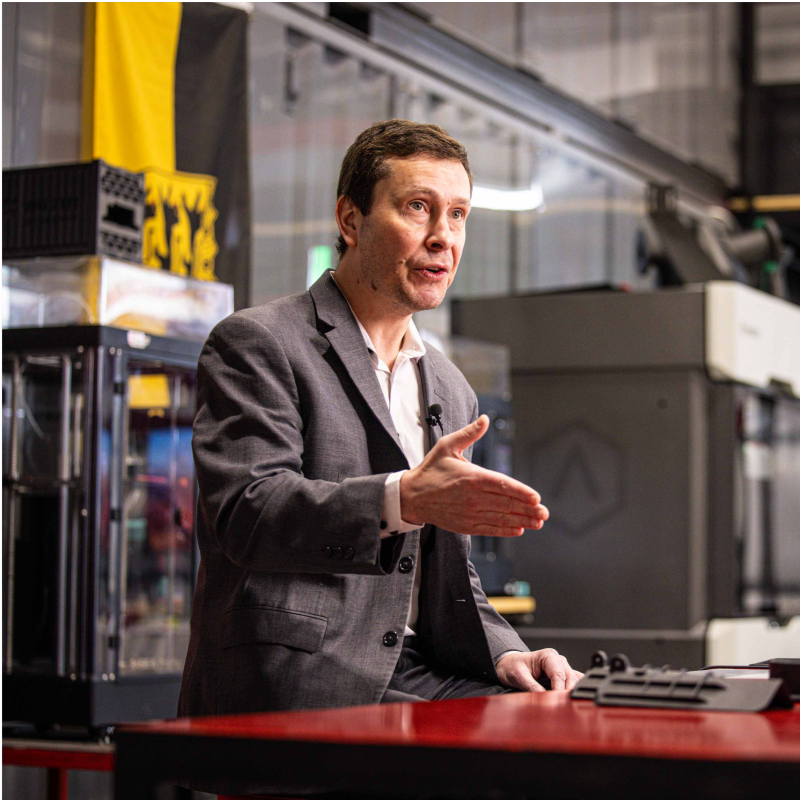
The concept of digital inventory is revolutionizing the way manufacturers approach supply chain management. By leveraging additive manufacturing (AM) and distributed manufacturing, companies can reduce their reliance on traditional warehousing and long shipping routes. This shift is being driven by the need to minimize supply chain risk and maximize efficiency. Dr. Mikhail Gladkikh, Global Director of Technology and Technical Projects at Würth Additive Group, has been at the forefront of this movement, with a career spanning 17 years in mission-critical industries.
Expert Insights from Dr. Mikhail Gladkikh
With a PhD in Applied Mathematics from the University of Texas at Austin, Dr. Gladkikh brings a unique perspective to the field of digital inventory and distributed manufacturing. His background in oil and gas, turbomachinery, hydrodynamics, and advanced manufacturing systems has equipped him with the expertise to navigate highly regulated industries. Recently, he has focused on digital inventory and distributed manufacturing, leading the launch of Würth Additive Group's Digital Inventory Services (DIS) platform. This platform enables secure, traceable digital supply chains through AM, providing a significant advantage for companies looking to reduce supply chain risk.
Comparison of Traditional and Digital Inventory Methods
| Method | Description | Advantages | Disadvantages |
|---|---|---|---|
| Traditional Inventory | Physical storage of products | Easy to implement, low upfront costs | High storage costs, long shipping routes, high risk of inventory damage |
| Digital Inventory | Digital storage of products, enabled by AM | Reduced storage costs, shorter shipping routes, lower risk of inventory damage | High upfront costs, requires significant investment in AM technology |
Benefits of Digital Inventory
The benefits of digital inventory are numerous, including reduced storage costs, shorter shipping routes, and lower risk of inventory damage. By leveraging AM, companies can produce products on-demand, reducing the need for physical inventory and minimizing supply chain risk. Additionally, digital inventory enables real-time tracking and monitoring of products, providing a high level of transparency and security.
Bottom Line
In conclusion, digital inventory and distributed manufacturing are revolutionizing the way manufacturers approach supply chain management. With experts like Dr. Mikhail Gladkikh leading the charge, companies are now able to reduce their reliance on traditional warehousing and long shipping routes. By leveraging AM and digital inventory, companies can minimize supply chain risk, maximize efficiency, and stay ahead of the competition. As the industry continues to evolve, it's clear that digital inventory and distributed manufacturing will play a critical role in shaping the future of manufacturing.


