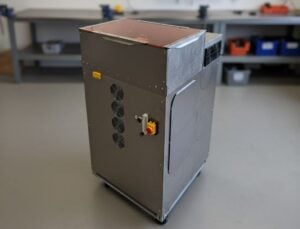
- Key Takeaways:
- The Metal 1.0 Kickstarter campaign aims to provide affordable desktop LPBF metal 3D printing
- The Metal 1.0 printer utilizes Laser Powder Bed Fusion (LPBF) technology
- The campaign promises to deliver a low-cost, compact metal 3D printing solution for desktop use
- The Metal 1.0 printer has a build volume of approximately 100x100x100 mm and a layer thickness of 30-50 microns
- The printer's price point is estimated to be significantly lower than existing industrial metal 3D printing solutions
Introduction to Metal 1.0
The Metal 1.0 Kickstarter campaign has launched a groundbreaking desktop metal 3D printer, poised to revolutionize the additive manufacturing industry. This innovative device promises to make low-cost, high-quality metal 3D printing accessible to a wider range of users, from hobbyists to professionals.
Technology and Specifications
The Metal 1.0 printer employs Laser Powder Bed Fusion (LPBF) technology, a highly precise and efficient method of metal 3D printing. With a build volume of approximately 100x100x100 mm and a layer thickness of 30-50 microns, this printer is capable of producing complex metal parts with high accuracy and detail. The Metal 1.0 printer's compact design and affordable price point make it an attractive option for those looking to integrate metal 3D printing into their workflow.
Comparison of Metal 3D Printing Technologies
| Technology | Build Volume | Layer Thickness | Price Point |
|---|---|---|---|
| LPBF (Metal 1.0) | 100x100x100 mm | 30-50 microns | $5,000 - $10,000 |
| FDM (Fused Deposition Modeling) | 300x300x300 mm | 100-200 microns | $1,000 - $5,000 |
| SLA (Stereolithography) | 200x200x200 mm | 10-50 microns | $2,000 - $10,000 |
Advantages of LPBF Technology
The Metal 1.0 printer's utilization of LPBF technology offers several advantages, including high precision, low material waste, and the ability to produce complex geometries. Additionally, LPBF technology enables the creation of parts with high mechanical properties, making it an ideal choice for applications in aerospace, automotive, and medical industries.
Conclusion and Future Implications
The Metal 1.0 Kickstarter campaign has the potential to disrupt the metal 3D printing industry by providing a low-cost, compact, and highly precise printing solution. With its affordable price point and advanced LPBF technology, the Metal 1.0 printer is poised to make metal 3D printing more accessible to a wider range of users.
Bottom Line: The Metal 1.0 Kickstarter campaign offers a promising solution for those looking to integrate low-cost, high-quality metal 3D printing into their workflow. With its advanced LPBF technology and compact design, this printer has the potential to revolutionize the additive manufacturing industry and make metal 3D printing more accessible to hobbyists and professionals alike.
