Key Takeaways
- The integration of humans and machines in 3D printing and laser cutting can produce high-quality results
- Playing to individual strengths, such as design, artwork, or technical skills, can lead to efficient collaboration
- Traditional drafting tools, such as French curves and pantographs, have been largely replaced by digital design software
- The use of machines in creative processes can sometimes be perceived as "cheating"
Introduction to Human-Machine Collaboration
The relationship between humans and machines in creative fields, such as 3D printing and laser cutting, has evolved significantly. With the advent of digital design software, individuals can now focus on their strengths, whether it be design, artwork, or technical skills. This collaboration between humans and machines can produce high-quality results, as seen in the example of creating a Mother's Day gift using FreeCAD software and a laser cutter.
The Role of Traditional Drafting Tools
In the past, drafting tools such as French curves, pantographs, and pencils were used to create precise designs. However, with the advancement of digital technology, these tools have been largely replaced by computer-aided design (CAD) software. This shift has enabled individuals to focus on their creative skills, rather than struggling with manual drafting techniques.
Comparison of Traditional and Digital Design Methods
| Method | Description | Advantages | Disadvantages |
|---|---|---|---|
| Traditional Drafting | Uses French curves, pantographs, and pencils | Develops fine motor skills, tactile experience | Time-consuming, prone to errors |
| Digital Design | Uses CAD software, such as FreeCAD | Fast, accurate, and efficient | Limited tactile experience, requires technical skills |
The Perception of "Cheating"
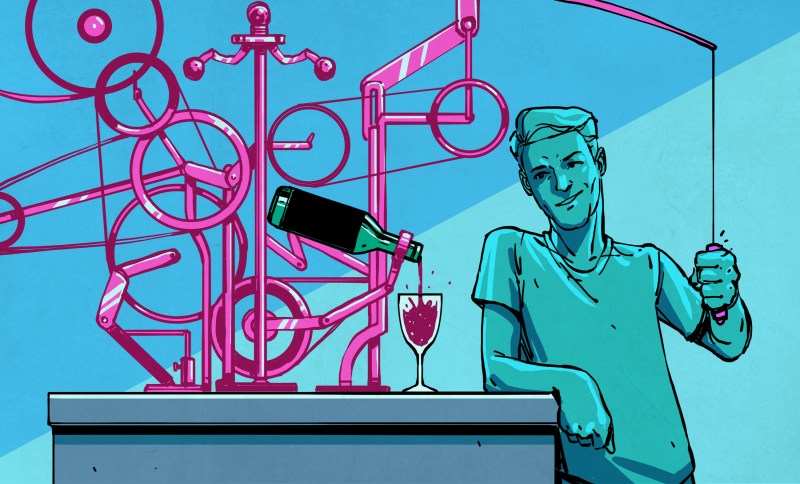
The use of machines in creative processes can sometimes be perceived as "cheating." However, this perception is largely unfounded, as machines are simply tools that can enhance human creativity. By leveraging the strengths of both humans and machines, individuals can produce high-quality results that would be difficult or impossible to achieve manually.
Bottom Line
The integration of humans and machines in 3D printing and laser cutting has revolutionized the creative process. By embracing digital design software and machine-based fabrication, individuals can focus on their strengths, produce high-quality results, and push the boundaries of innovation. With the right mindset and tools, the collaboration between humans and machines can lead to unprecedented levels of creativity and productivity, making it an essential aspect of modern manufacturing and design.


