Key Takeaways
- 3D printing has evolved from a prototyping tool to a production-ready technology
- Advanced companies like SpaceX and NASA are using 3D printing to create complex products and systems
- 3D printing enables the creation of parts with internal cooling channels, reducing assembly errors and increasing efficiency
- The technology is being used in various industries, including aerospace, healthcare, and consumer products
Introduction to 3D Printing
3D printing has come a long way since its inception, transitioning from a prototyping tool to a reliable production technology. Today, it is being used in various industries, including aerospace, healthcare, and consumer products. The technology has improved significantly, with faster printing speeds, tighter tolerances, and stronger materials.
Advanced Applications of 3D Printing
Companies at the forefront of the field are using 3D printing to create complex products and systems that would be difficult or impossible to produce using conventional methods. For example, SpaceX is using 3D printing to produce rocket engine hardware, including engine chambers and other critical components. This allows for the creation of parts with internal cooling channels, reducing assembly errors and increasing efficiency.
SpaceX and NASA: Pioneers in 3D Printing
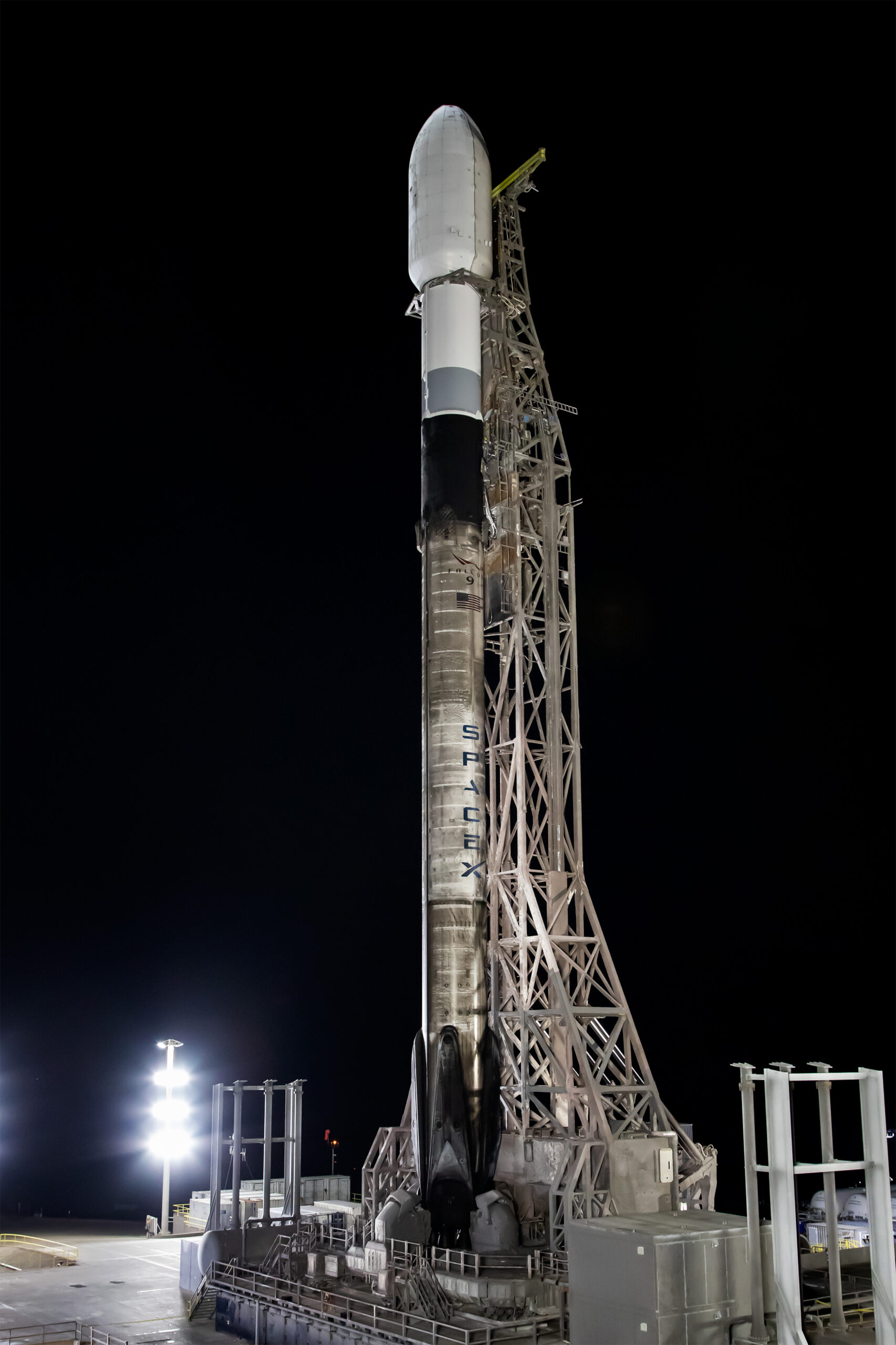
SpaceX has been a pioneer in the use of 3D printing, using it to produce rocket engine hardware and other critical components. In January 2026, the company launched its Twilight rideshare mission, which carried a 3D printing experiment into orbit. NASA is also using 3D printing to produce parts for its spacecraft and rockets.
Comparison of 3D Printing Technologies
| Technology | Resolution | Printing Speed | Materials |
|---|---|---|---|
| Fused Deposition Modeling (FDM) | 100-200 microns | 100-300 mm/s | PLA, ABS, PETG |
| Stereolithography (SLA) | 10-50 microns | 10-50 mm/s | Resin |
| Selective Laser Sintering (SLS) | 50-100 microns | 10-50 mm/s | Nylon, aluminum |
Industry Applications of 3D Printing
3D printing is being used in various industries, including:
- Aerospace: production of rocket engine hardware and other critical components
- Healthcare: production of custom implants and surgical guides
- Consumer products: production of complex parts and products with internal structures
Bottom Line
In conclusion, 3D printing has evolved significantly, enabling the production of complex products and systems that would be difficult or impossible to produce using conventional methods. Advanced companies like SpaceX and NASA are at the forefront of this technology, using it to produce critical components and parts. As the technology continues to improve, we can expect to see even more innovative applications of 3D printing in various industries. With its ability to produce parts with internal cooling channels, reduce assembly errors, and increase efficiency, 3D printing is poised to revolutionize the manufacturing industry.


