Key Takeaways
- Additive manufacturing (AM) is reducing downtime in irrigation systems by enabling localized production of essential components
- Traditional supply chains for pump parts can be slow, with lead times ranging from several days to weeks
- 3D printing allows for rapid production of replacement parts, reducing repair timelines from weeks to days
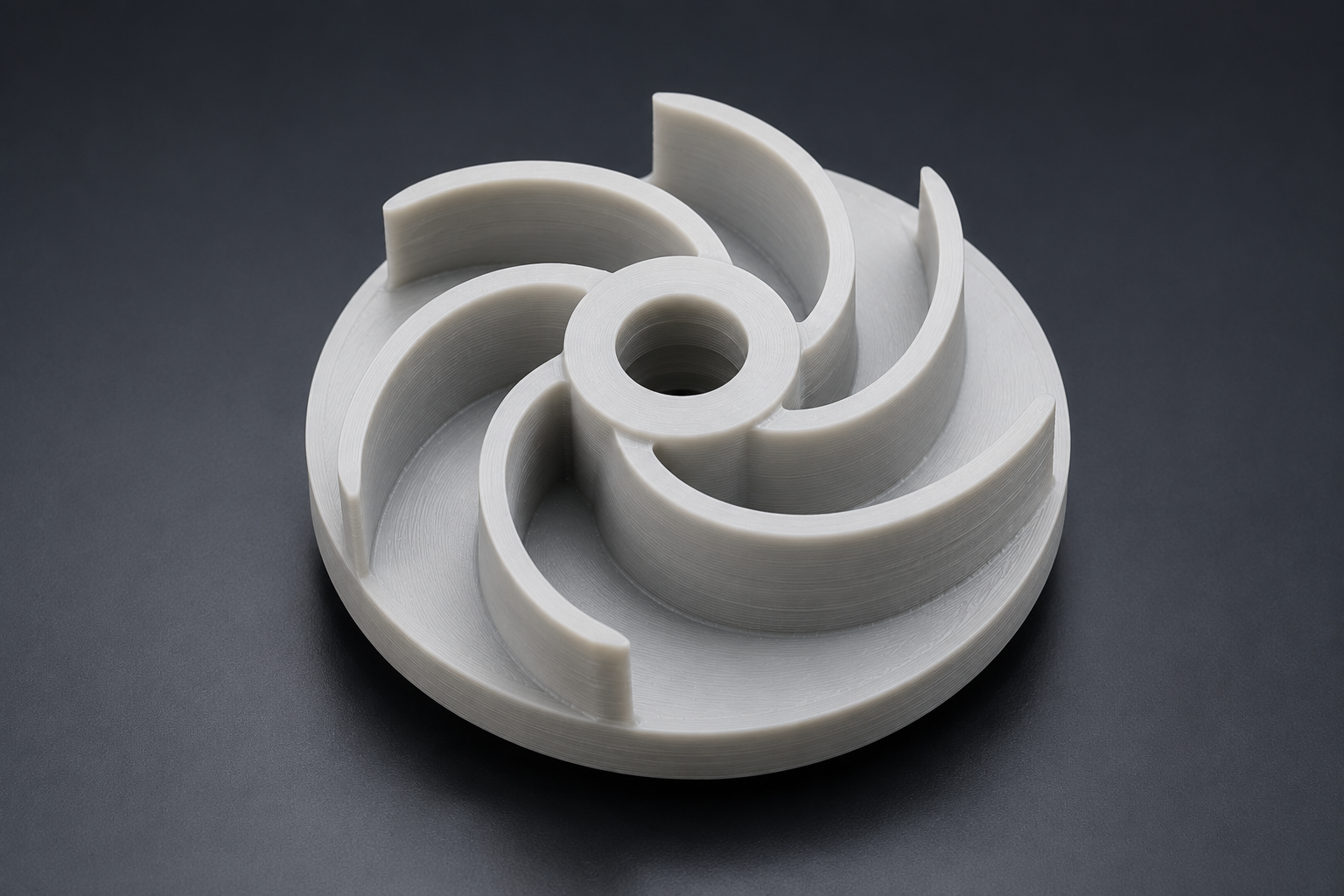
- Custom impellers and other components can be reproduced using durable polymers or composites
- AM is particularly useful in rural or remote areas where shipping delays are common
Introduction to Additive Manufacturing in Irrigation
In modern agriculture, minimizing downtime is crucial to ensure optimal crop yields. Irrigation systems, in particular, require continuous operation during key growing periods. Additive manufacturing (AM) has emerged as a viable solution to reduce downtime by enabling the rapid production of essential pump and irrigation components.
The Downtime Challenge in Irrigation Systems
Traditional supply chains for pump parts, such as impellers, housings, and diaphragms, can be slow and unreliable. Lead times for replacement components can range from several days to weeks, especially during peak seasons. This delay can significantly impact agricultural operations that rely on continuous water flow. In contrast, AM allows for localized production of replacement parts, reducing reliance on traditional supply chains.
Comparison of Traditional Supply Chains and Additive Manufacturing
| Characteristics | Traditional Supply Chains | Additive Manufacturing |
|---|---|---|
| Lead Time | Several days to weeks | Days |
| Production Location | Centralized | Localized |
| Part Availability | Limited | On-demand |
| Material Options | Limited | Durable polymers, composites |
Reducing Repair Timelines with Additive Manufacturing
AM has significantly reduced repair timelines in irrigation systems. By producing replacement parts locally, agricultural operators can address issues within a matter of days, rather than waiting weeks for shipments. For example, custom impellers used in irrigation pumps can be reproduced using durable polymers or composites, allowing for rapid deployment and minimizing downtime.
Conclusion
Additive manufacturing is revolutionizing the way irrigation systems are maintained and repaired. By enabling localized production of essential components, AM reduces downtime, increases efficiency, and minimizes the risk of crop damage. As the technology continues to evolve, it is likely to play an increasingly important role in modern agriculture.
Bottom Line
The integration of additive manufacturing in irrigation systems has the potential to transform the way agricultural operations maintain and repair their equipment. With its ability to produce replacement parts rapidly and locally, AM is reducing downtime, increasing efficiency, and minimizing the risk of crop damage. As the technology continues to advance, it is likely to become an essential tool for agricultural operators seeking to optimize their irrigation systems and improve crop yields.