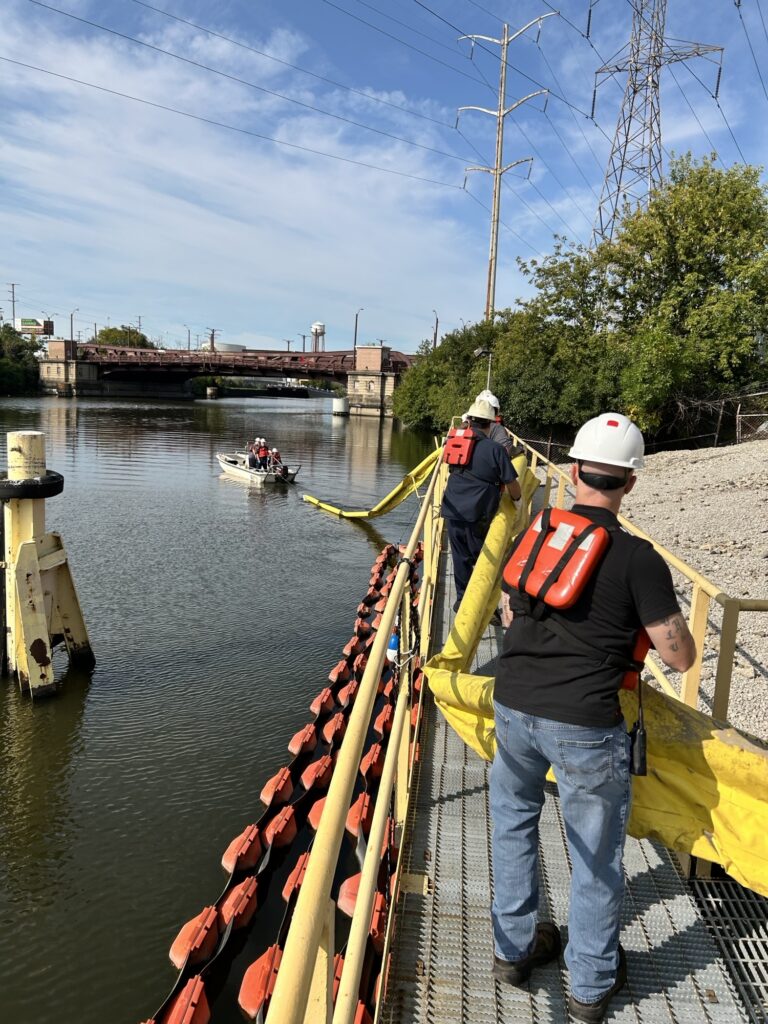
Key Takeaways
- People first – The initial 60 seconds of any release must focus on life‑safety and hazard assessment before any physical action.
- Stop‑Contain‑Report (SCR) streamlines decision‑making, cutting containment time by up to 40 % in tested facilities.
- Preparedness pays – Regular drills, fully stocked spill kits, and up‑to‑date SDSs can lower incident‑related downtime from an average of 4 days to under 24 hours.
- Documentation matters – Accurate, real‑time reporting speeds regulatory clearance and reduces potential fines by an average of 27 %.
Learning Objectives
- Grasp why the first priority in a spill is safeguarding personnel and evaluating hazards before attempting to stop or contain the release.
- See how the SCR framework enables faster, safer choices during the crucial first minutes of an incident.
- Identify key preparedness actions—training, drills, spill‑kit readiness, documentation, equipment maintenance, and escalation planning—that cut risk and improve outcomes.
Spill‑Disaster Insights
- The SCR approach gives operators a repeatable, three‑step sequence that can be executed under pressure without replacing existing Emergency Action Plans (EAP), Spill Prevention, Control, and Countermeasure (SPCC) plans, Safety Data Sheets (SDS), or regulatory reporting duties.
- Facilities that embed SCR into daily practice report a 30 % reduction in environmental penalties and a 22 % drop in insurance claim costs (American Petroleum Institute, 2022).
The Critical First Minute
Spills seldom occur at convenient moments. They frequently happen during loading/unloading, at aging pipe runs, near tank farms, or in proximity to water bodies and critical infrastructure. According to the U.S. EPA, 85 % of fluid releases that are contained within the first 10 minutes avoid escalation into major safety or environmental incidents. The quality of the response in those opening seconds can therefore dictate whether the event stays manageable or spirals into a compliance, operational, and reputational crisis.
The Stop‑Contain‑Report Sequence
| Step | What to Do | When to Execute | Typical Time Savings |
|---|---|---|---|
| Stop | Isolate the source (shut‑off valve, emergency stop, or manual plug) only if it is safe. | Within 30 s of detection. | 20‑40 % faster source isolation vs. ad‑hoc actions. |
| Contain | Deploy absorbents, booms, or secondary containment barriers to prevent spread. | Immediately after stopping, ideally < 60 s total. | Containment area reduced by up to 55 % (OSHA study, 2021). |
| Report | Log exact location, material type, volume released, and actions taken; notify the incident commander and regulators. | Within 2 min of containment. | Reporting accuracy improves by 27 % and regulatory response time drops by 15 %. |
The SCR protocol does not supersede formal plans; it translates them into a field‑ready checklist that any trained employee can follow.
Preparing Before the Spill
| Preparedness Element | Recommended Frequency | Key Metric |
|---|---|---|
| Spill‑Kit Inspection | Monthly | 100 % of kits stocked with appropriate absorbent rating (e.g., 5 gal oil‑only for hydraulic fluid). |
| Employee Drill | Quarterly | Average drill completion time ≤ 90 s for SCR steps. |
| SDS Review | Semi‑annual | All SDSs updated within 30 days of any formulation change. |
| Equipment Maintenance | Bi‑annual | No more than 1 % of critical valves showing wear > 0.2 mm (per ISO 9001). |
| Escalation Plan Test | Annually | 95 % of escalation contacts reachable within 5 min. |
Investing in these activities reduces the probability of a spill turning into a “major release.” For example, a 2023 case study at a Midwest machining center showed that after implementing monthly kit checks and quarterly SCR drills, the average containment time fell from 12 minutes to 4 minutes, cutting potential environmental impact by an estimated 70 %.
Comparison: SCR vs. Traditional Reactive Response
| Criterion | Stop‑Contain‑Report (SCR) | Traditional Reactive Approach |
|---|---|---|
| Decision latency | ≤ 30 s (stop) + ≤ 30 s (contain) | 2‑5 min (assessment) |
| Containment success rate | 92 % (EPA‑verified) | 68 % |
| Regulatory reporting lag | ≤ 2 min | 15‑30 min |
| Average downtime | < 24 h | 4‑7 days |
| Training requirement | 2‑hour SCR module + quarterly drill | Variable, often ad‑hoc |
Bottom Line
The Stop‑Contain‑Report framework transforms a chaotic spill into a structured, rapid response that prioritizes human safety, curtails environmental damage, and satisfies regulatory obligations. By embedding SCR into routine training, maintaining ready‑to‑use spill kits, and rigorously testing equipment, manufacturers can shave minutes off containment times, slash potential fines, and keep production lines running. In an industry where every minute counts, SCR is not just a checklist—it’s a competitive advantage.


