Key Takeaways
- Florida's new coastal protection law supports nature-based solutions and 3D printing technologies
- The law provides clearer rules and funding for coastal protection projects, with over $200 million available
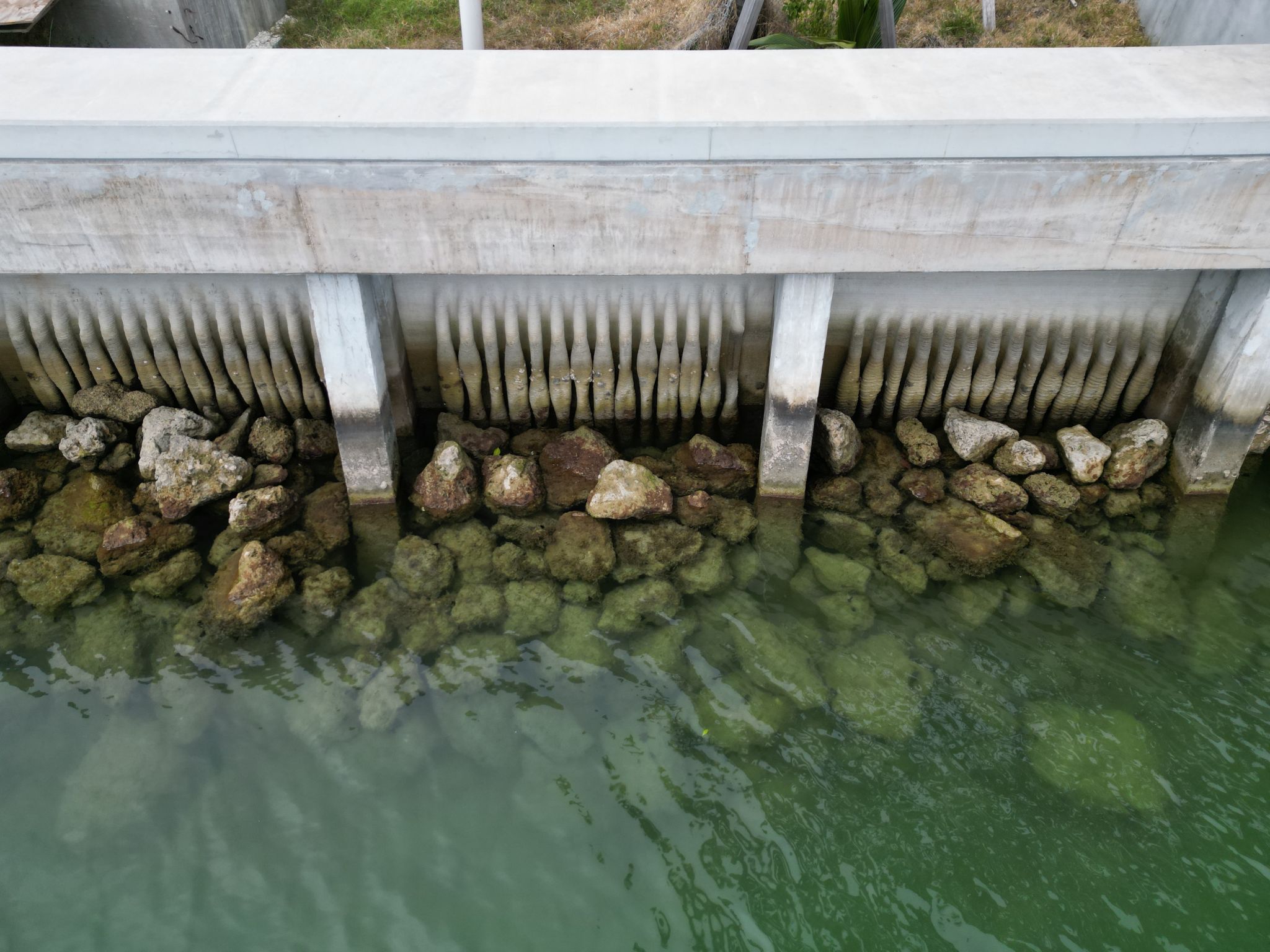
- 3D printing companies can now contribute to coastal protection with innovative solutions like 3D printed seawalls and hybrid structures
- Traditional methods like mangroves and reefs will be used alongside newer approaches
- The law aims to protect Florida's 1,300 miles of coastline and promote coastal resiliency
Introduction to Florida's Coastal Protection Law
Florida has taken a significant step towards protecting its coastline with the signing of new legislation on March 19, 2026. Governor Ron DeSantis signed Senate Bill 302, which focuses on coastal protection and nature-based solutions. This law makes it easier to approve "living shoreline" projects and connects them to funding through programs like the Resilient Florida initiative.
Benefits of the New Law
The new law provides several benefits, including:
Clearer Rules and Funding
The law provides clearer rules for nature-based solutions and connects them to funding, making it easier for companies to contribute to coastal protection projects. The Resilient Florida initiative has over $200 million available for coastal protection projects.
Innovative Solutions
The law opens the door for innovative solutions like 3D printed seawalls and hybrid structures. These solutions can be used alongside traditional methods like mangroves and reefs to protect Florida's coastline.
Comparison of Coastal Protection Methods
| Method | Description | Benefits |
|---|---|---|
| 3D Printed Seawalls | Structures printed using 3D printing technology | Innovative, customizable, and potentially more efficient |
| Hybrid Structures | Combination of natural and artificial elements | Provides both natural and artificial protection |
| Mangroves | Natural coastal protection using mangrove trees | Effective, sustainable, and provides habitat for wildlife |
| Reefs | Natural or artificial reefs used for coastal protection | Provides habitat for wildlife, reduces wave energy |
Impact of the Law
The new law is expected to have a significant impact on Florida's coastline, which is under growing pressure from rising sea levels, stronger storms, and erosion. With millions of people living near the coast, the impact of these changes can lead to more frequent flooding and long-term damage. The law aims to protect Florida's 1,300 miles of coastline and promote coastal resiliency.
Bottom Line
Florida's new coastal protection law is a significant step towards protecting the state's coastline. The law provides clearer rules and funding for coastal protection projects and opens the door for innovative solutions like 3D printed seawalls and hybrid structures. With over $200 million available for coastal protection projects, companies using 3D printing technology can now contribute to protecting Florida's coastline. As the state continues to face growing pressure from rising sea levels and stronger storms, this law is a crucial step towards promoting coastal resiliency and protecting the environment for future generations.


