Key Takeaways
- The US is experiencing a decline in its military power and influence globally
- The country's actions have led to a loss of trust among its allies, including Europe, the Arab world, and Asia
- The US's inability to project power overseas and defend its interests has created a power vacuum
- A potential arms race is underway, with major nations seeking to acquire nuclear weapons and sovereign defense capabilities
- The US's defense industry may face declining arms sales overseas, leading to increased unit costs for taxpayers
Introduction to the Decline of US Military Power
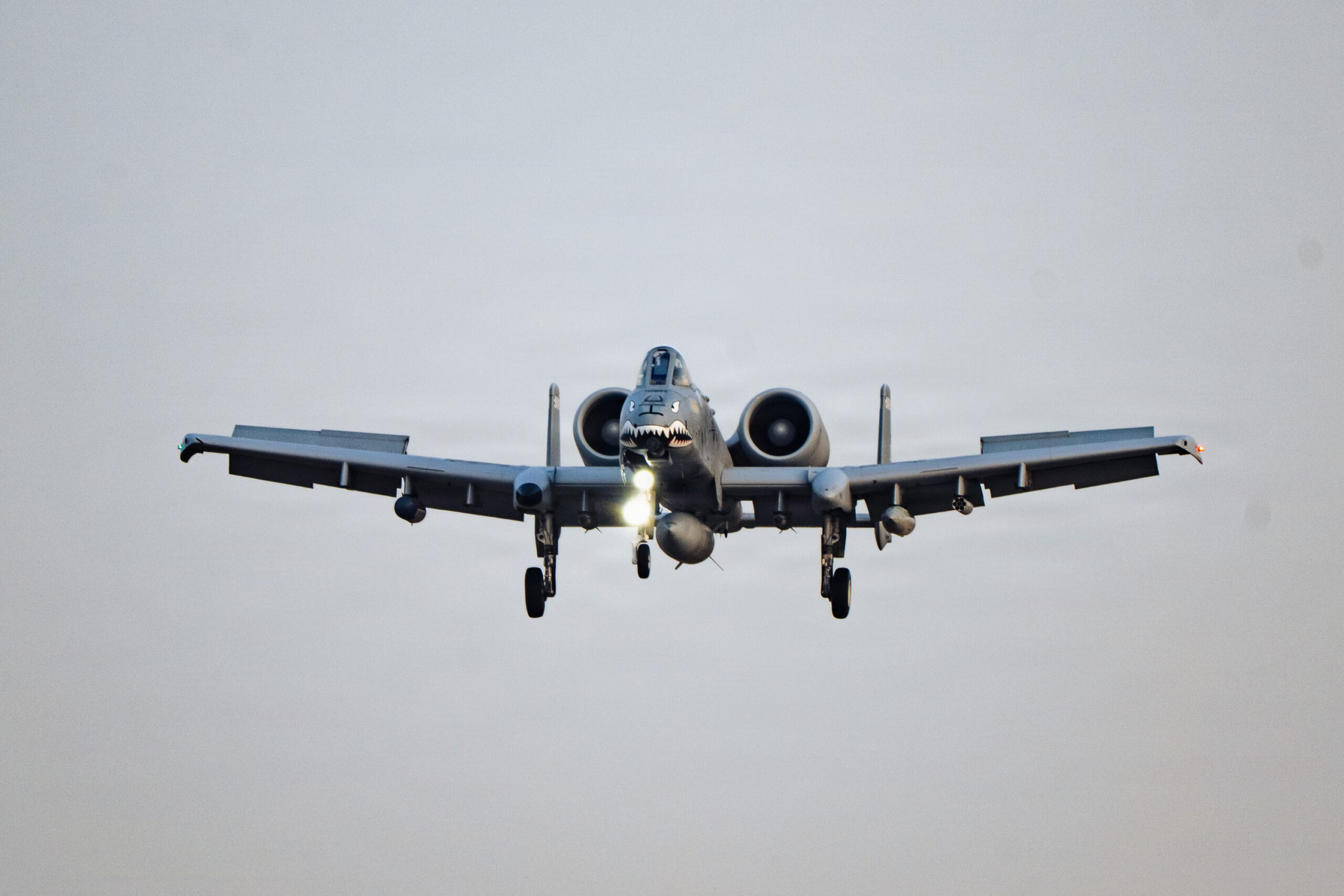
The US military has been experiencing a decline in its power and influence globally. This decline is attributed to a series of events, including the crash of a 1970s-designed plane in Iran in 2026, which marked the beginning of a downward spiral. The US's actions have led to a loss of trust among its allies, including Europe, the Arab world, and Asia. The country's inability to project power overseas and defend its interests has created a power vacuum, allowing other nations to fill the gap.
Loss of Trust Among Allies
The US's decision to turn away from the conflict in Iran, despite the continued attacks on the Gulf States, has led to a loss of trust among its allies. The Arab world, in particular, has been affected by the US's actions, with many nations now seeking to acquire nuclear weapons and sovereign defense capabilities. The US's repeated denial of satellite and intelligence access to its ally Ukraine, as well as the withholding of weapons at key moments, has further eroded trust. The US's failure to honor its treaty with Ukraine, which guarantees the country's independence and defense, has also contributed to the loss of trust.
Comparison of US Defense Strategy vs. Other Nations
| Country | Defense Strategy | Trust in US |
|---|---|---|
| Europe | Diversifying defense goods, reducing reliance on US | Low |
| Canada | Reducing reliance on US defense goods | Low |
| Japan and Korea | Seeking alternative defense arrangements | Low |
| Arab World | Acquiring nuclear weapons and sovereign defense capabilities | Very Low |
| Ukraine | Seeking alternative defense arrangements | Very Low |
Stalemate in the Strait of Hormuz
The Strait of Hormuz has been blockaded by Iran for over a month, with the country using low-cost drones, missiles, and boats to maintain the blockade. The US has been unable to effectively respond to the blockade, due to the high cost of its military equipment and the limited number of precision strike capabilities. The stalemate has highlighted the US's inability to project power overseas and defend its interests.
Bottom Line
In conclusion, the US is experiencing a decline in its military power and influence globally. The country's actions have led to a loss of trust among its allies, and a potential arms race is underway. The US defense industry may face declining arms sales overseas, leading to increased unit costs for taxpayers. The US must reassess its defense strategy and work to rebuild trust with its allies in order to maintain its position as a global military power. With the US's current trajectory, it is likely that the country will remain a military power, but not a meaningful one, and its influence will continue to decline.


