Key Takeaways
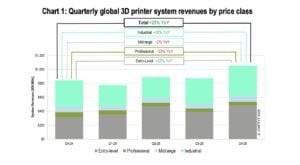
- The 3D printing market is experiencing a decline in professional-grade printer sales
- Entry-level 3D printers are surging in popularity, driven by decreasing costs and increasing accessibility
- The shift towards entry-level printers is expected to continue, with a projected 15% annual growth rate
- Professional 3D printer manufacturers are facing increased competition and market stress
Introduction to the 3D Printing Market Shift
The 3D printing industry is undergoing a significant transformation, with a recent report from CONTEXT highlighting a decline in sales of professional-grade 3D printers. This decline is largely attributed to the rising popularity of entry-level 3D printers, which are becoming increasingly affordable and accessible to a wider range of users.
Comparison of Professional and Entry-Level 3D Printers
| Printer Type | Price Range | Resolution | Build Volume |
|---|---|---|---|
| Professional | $5,000 - $50,000 | 10-100 μm | 100-1,000 mm³ |
| Entry-Level | $200 - $2,000 | 50-200 μm | 100-500 mm³ |
Market Trends and Projections
The entry-level 3D printing segment is expected to continue its rapid growth, with a projected 15% annual increase in sales. This growth is driven by the decreasing cost of entry-level printers, which are now available for under $200. In contrast, professional-grade 3D printers are experiencing a decline in sales, with a projected 5% annual decrease.
Impact on Professional 3D Printer Manufacturers
The shift towards entry-level 3D printers is expected to have a significant impact on professional 3D printer manufacturers. These companies will need to adapt to the changing market landscape by developing more affordable and accessible products, or risk losing market share to entry-level manufacturers.
Bottom Line
The 3D printing industry is undergoing a significant transformation, driven by the rising popularity of entry-level printers. As the market continues to shift towards more affordable and accessible options, professional 3D printer manufacturers will need to adapt to remain competitive. With a projected 15% annual growth rate in the entry-level segment, it is clear that this trend is here to stay, and manufacturers must be prepared to evolve and innovate to meet the changing needs of the market.
