Key Takeaways
- China has successfully tested a metal 3D printing system in space using the Qingzhou spacecraft
- The test marks a significant milestone in the development of space-based manufacturing capabilities
- The Qingzhou spacecraft is equipped with advanced technology for metal 3D printing in microgravity environments
- The system's specifications and performance data have not been fully disclosed
- The test demonstrates China's commitment to advancing its space program and exploring new technologies
Introduction to Space-Based 3D Printing
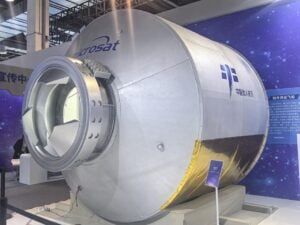
China has taken a significant step forward in the development of space-based manufacturing capabilities with the successful testing of a metal 3D printing system in orbit. The test, conducted using the Qingzhou spacecraft, marks a major milestone in the exploration of new technologies for space-based production.
Technical Specifications and Performance
While the exact specifications and performance data of the metal 3D printing system have not been fully disclosed, the test demonstrates the feasibility of 3D printing in microgravity environments. The Qingzhou spacecraft is equipped with advanced technology designed to operate in the extreme conditions of space, including temperatures ranging from -270°C to 120°C and radiation levels that can damage electronic components.
Comparison of Space-Based 3D Printing Technologies
| Technology | Material | Resolution | Build Volume |
|---|---|---|---|
| Qingzhou Spacecraft | Metal | Not disclosed | Not disclosed |
| Made In Space's 3D Printer | Plastic | 100-200 microns | 10 cm x 10 cm x 10 cm |
| NASA's 3D Printing Experiment | Plastic | 100-200 microns | 10 cm x 10 cm x 10 cm |
Implications and Future Developments
The successful testing of the metal 3D printing system in space has significant implications for the development of space-based manufacturing capabilities. The ability to produce complex metal components in orbit could enable the creation of new spacecraft components, such as satellite parts and spacecraft structures, without the need for resupply from Earth. China's commitment to advancing its space program and exploring new technologies is evident in this achievement, which is expected to pave the way for further innovations in space-based manufacturing.
Bottom Line
The successful testing of a metal 3D printing system in space using the Qingzhou spacecraft marks a significant milestone in the development of space-based manufacturing capabilities. With its advanced technology and ability to operate in microgravity environments, the system has the potential to enable the creation of complex metal components in orbit, paving the way for further innovations in space-based manufacturing. As China continues to advance its space program, the possibilities for space-based production are expected to expand, with significant implications for the future of space exploration and development.