Key Takeaways
- Callaway Golf is allocating US $15 million to launch a dedicated 3D‑printing plant in Fort Worth, Texas.
- The facility will focus on metal laser‑powder‑bed fusion (LPBF) and Multi‑Jet Fusion (MJF) to produce club heads and performance parts in‑house.
- Competitors such as Cobra Golf already use MJF‑core and metal‑printed faces, but Callaway’s U.S. production aims to cut development cycles by up to 40 %.
- Texas is emerging as a third global hub for metal additive manufacturing, joining Xi’an, China (≈1,000 LPBF machines) and Long Beach, CA (the current mixed‑cluster leader).
- The new plant reinforces the “3D‑printing corridor” along I‑35/TX‑130, supporting defense, aerospace, and energy customers that already rely on additive processes.
Why Callaway Is Betting on Texas
Investment Overview
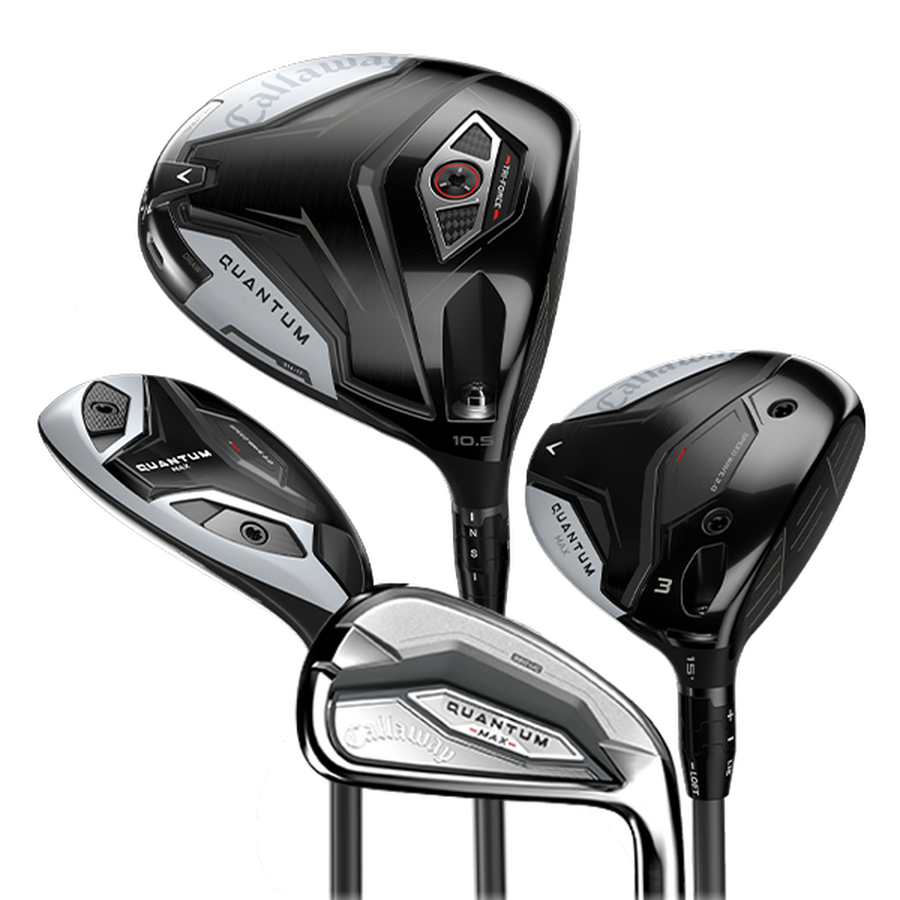
Callaway Golf announced a $15 million capital outlay to build a 3 × 3 × 3 m production line equipped with EOS M 290 LPBF printers and HP Jet Fusion 580 MJF units. The plant is slated to become operational in Q4 2025, targeting an initial annual output of 10,000 club heads and 5,000 custom‑fit components.
Strategic Benefits
| Benefit | Expected Impact |
|---|---|
| Speed to market | Prototype‑to‑production cycles reduced from 12 weeks (outsourced) to 5–6 weeks (in‑house). |
| Supply‑chain resilience | Eliminates dependence on overseas shippers; 95 % of raw metal powder sourced domestically. |
| Brand differentiation | “Made in the USA” messaging aligns with premium‑segment consumer expectations. |
| Cost control | Estimated 18 % reduction in per‑unit material cost versus external vendors. |
How Callaway Stacks Up Against the Competition
| Company | Primary Additive Tech | 2023‑24 Prototype Highlights | Production Scale (2024) | Notable Advantages |
|---|---|---|---|---|
| Callaway Golf | EOS LPBF (metal) + HP MJF (polymer) | 3‑D‑printed R‑Ball putter (GE partnership) | Planned 10 k metal heads / yr (2025) | Full‑stack U.S. facility, rapid iteration |
| Cobra Golf | HP MJF cores + Selective Laser Melting (SLM) faces | Entire “MJF‑core” driver line (2023) | ~7 k heads / yr (2023) | Established supply chain, proven face durability |
| Titleist (Acushnet) | Direct Metal Laser Sintering (DMLS) | Limited‑run Titanium driver (2022) | Small‑batch, custom orders | Focus on ultra‑lightweight materials |
| TaylorMade | Binder Jetting (metal) | Experimental Carbon‑Fiber‑reinforced club (2024) | Pilot phase | Early‑stage, high‑volume potential |
Data compiled from company press releases, 3DPrint.com reports, and industry filings.
Texas: The Emerging Third Global Cluster
Current Landscape
- Xi’an, China remains the world’s largest metal‑additive hub, housing ~1,000 LPBF systems under the BLT network.
- Long Beach, California hosts the biggest mixed‑technology cluster, serving aerospace and defense OEMs with ≈300 LPBF + 150 MJF machines.
Texas now hosts a dispersed but growing network:
| City/Region | Primary Users | Machine Count (2024) |
|---|---|---|
| Pflugerville | Roboze, EOS, DyeMansion | 45 LPBF |
| Richardson | Stratasys Direct, i‑SOLIDS | 30 polymer (MJF/PolyJet) |
| Dallas‑Grand Prairie | Raytheon, Lockheed Martin Missiles | 20 LPBF |
| McGregor | SpaceX (additive R&D) | 12 LPBF |
| Starbase (Boca Chica) | Blue Origin | 8 LPBF |
Collectively, Texas holds ≈115 LPBF and ≈50 polymer systems—enough to claim the title of the third‑largest metal‑additive cluster globally, especially as new facilities like Callaway’s join the corridor.
Implications for Defense & Aerospace
The “I‑35/TX‑130 corridor” is becoming a logistics backbone for high‑value additive parts. Proximity to Fort Worth reduces freight times for defense contracts (average 2‑day truck haul vs. 7‑day cross‑coast rail). This geographic advantage is expected to boost Texas‑based OEMs’ competitiveness in missile guidance housings, turbine‑blade repair, and satellite‑bus components.
Potential Challenges
- Cluster cohesion: Unlike the dense community in Long Beach, Texas’ sites are spread over a 200‑mile radius, limiting informal knowledge exchange.
- Secrecy of defense programs: Companies such as Raytheon and Lockheed Martin maintain strict IP controls, which may slow collaborative innovation.
- Talent pipeline: Rapid expansion will demand additional skilled additive engineers; local universities are scaling programs but may need industry partnerships to meet demand.
Bottom Line
Callaway Golf’s $15 million investment in a Fort Worth 3D‑printing plant marks a decisive shift toward domestic, high‑speed additive manufacturing for premium sports equipment. By integrating both LPBF metal and MJF polymer processes, Callaway can accelerate product development, lower costs, and reinforce its “Made in the USA” brand narrative. Simultaneously, the project strengthens Texas’s emergence as the world’s third major metal‑additive hub, complementing existing clusters in China and California and providing a strategic advantage for defense, aerospace, and energy sectors that rely on rapid, high‑precision part production. The success of this initiative will hinge on how quickly the dispersed Texas ecosystem can coalesce into a collaborative corridor capable of sustaining the state’s growing additive


