Key Takeaways
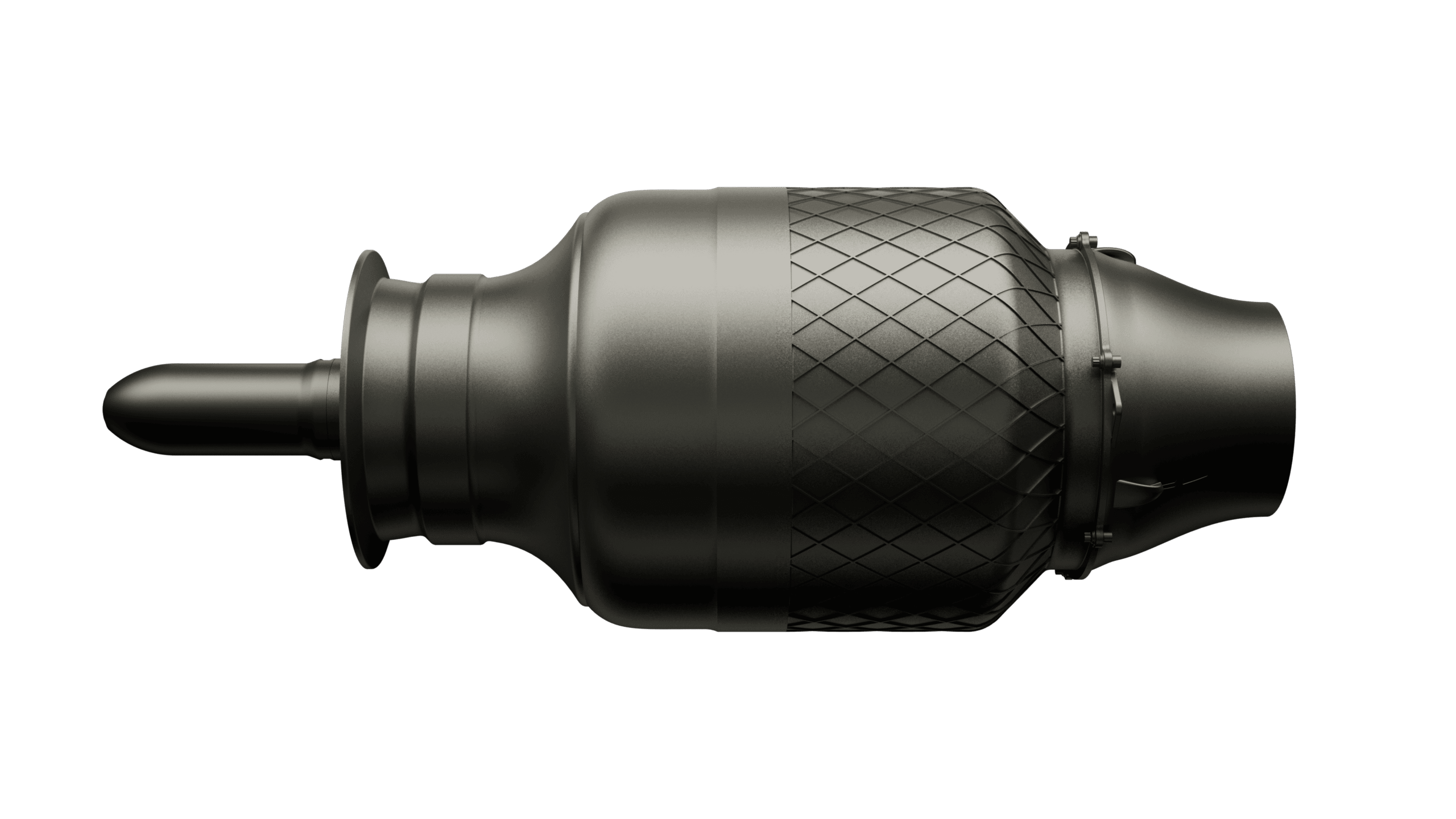
- Beehive Industries has secured a $29.7 million contract with the SOSSEC consortium to manufacture 200- and 125-lbf pound engines using additive manufacturing.
- The company claims to reduce production time and costs by 60% compared to conventional manufacturing methods.
- The Frenzy 8 and Frenzy 6 engines are part of the Family of Affordable Mass Munitions (FAMM) initiative, aimed at developing low-cost, highly manufacturable small turbine engines.
Introduction to Additive Manufacturing in Defense
The US military is shifting its focus towards producing large quantities of vehicles and devices, rather than relying on a limited number of high-end craft. Additive manufacturing, also known as 3D printing, is playing a crucial role in making this possible. Beehive Industries, a company specializing in digital manufacturing, has been awarded a significant contract to produce engines using this technology.
The Frenzy Engines and FAMM Initiative
The Frenzy 8 and Frenzy 6 engines, developed by Beehive Industries, are part of the FAMM initiative. This program aims to create a new class of low-cost, highly manufacturable small turbine engines, seekers/sensors, networked datalinks, collaborative autonomy behaviors, and ordnance. The initiative seeks to address the current gap in US capabilities and provide a more affordable and sustainable solution for military operations.
Comparison of Additive Manufacturing and Conventional Manufacturing
| Additive Manufacturing | Conventional Manufacturing | |
|---|---|---|
| Production Time | Reduced by up to 50% | Traditional production times |
| Cost | 60% lower | Higher costs due to labor and material waste |
| Complexity | Enables complex geometries and designs | Limited by traditional manufacturing methods |
| Material Usage | Optimized material usage | Excess material waste |
The Impact of Additive Manufacturing on Defense
The use of additive manufacturing in defense is expected to have a significant impact on the production of military devices and vehicles. With the ability to produce complex designs and geometries, additive manufacturing can reduce production time and costs while increasing efficiency. The FAMM initiative, in particular, aims to develop a new class of low-cost, highly manufacturable devices that can be produced quickly and efficiently.
Bottom Line
The $29.7 million contract awarded to Beehive Industries marks a significant milestone in the adoption of additive manufacturing in the defense industry. With the ability to reduce production time and costs by up to 60%, additive manufacturing is poised to play a crucial role in the production of military devices and vehicles. As the US military continues to shift its focus towards producing large quantities of vehicles and devices, additive manufacturing is likely to become an increasingly important technology in the defense industry.


