Key Takeaways
- Edith Cowan University (ECU) becomes the 12th Australian university to join the Additive Manufacturing Cooperative Research Centre (AMCRC).
- AMCRC’s national network now links 12 universities, 30+ research labs, and over 200 manufacturing partners.
- ECU brings $15 M of funded research capacity and strong ties to Western Australia’s defence, mining, and resources sectors.
- The partnership aims to up‑skill 5,000+ workers and accelerate 30 pilot‑scale additive‑manufacturing projects by 2028.
Introduction
Australia’s Additive Manufacturing Cooperative Research Centre (AMCRC), the country’s flagship “Australia Makes” initiative, has announced the addition of Edith Cowan University (ECU) as its newest member. The move expands the Centre’s academic footprint to twelve universities and reinforces its mission to embed 3‑D printing technologies across the nation’s critical industries.
What Is AMCRC?
AMCRC operates as a government‑backed, industry‑driven consortium that pools research talent, high‑end equipment, and supply‑chain expertise. Since its launch in 2017, the Centre has secured AU$115 million in public and private funding, delivering:
| Metric | Current Figure |
|---|---|
| Member universities | 12 |
| Partner manufacturers | 200+ |
| Active R&D projects | 30+ (pilot‑scale) |
| Workforce training slots (2024‑2028) | 5,000+ |
| Total additive‑manufacturing machine hours per year | 12,000 h |
The Centre’s flagship facilities include five metal‑laser powder‑bed fusion (LPBF) cells, three polymer extrusion lines, and a dedicated metallurgical testing lab located at the University of Queensland’s Advanced Manufacturing Hub.
ECU’s Strategic Fit
Research Strengths
- Funding: ECU contributes AU$15 million in research grants earmarked for metal‑additive manufacturing and high‑temperature alloys.
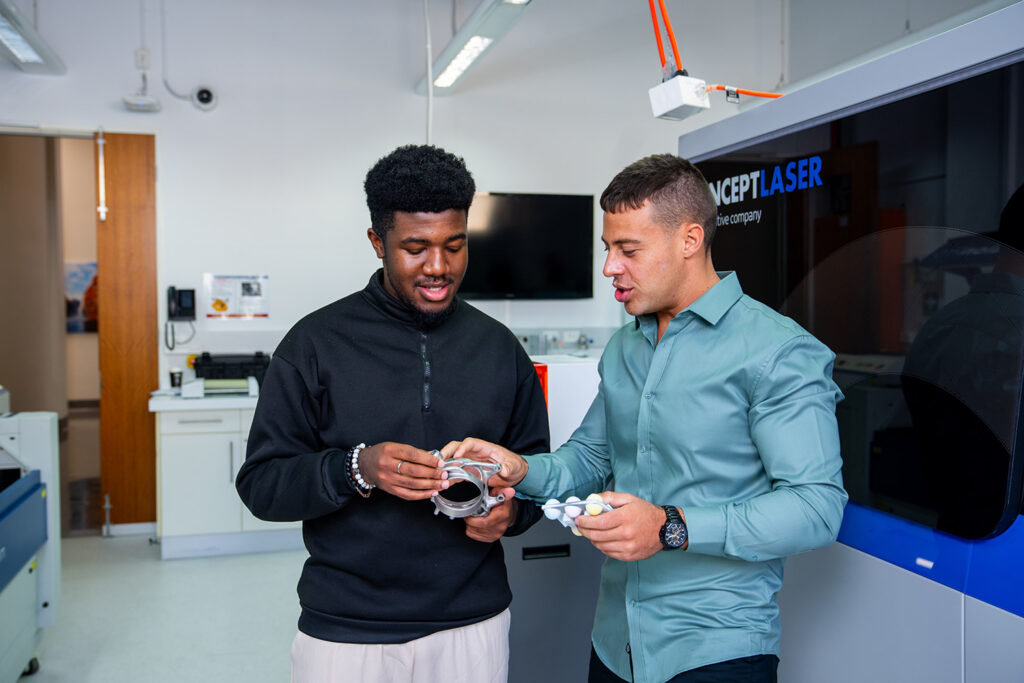
- Facilities: The university’s newly commissioned Advanced Manufacturing Laboratory houses a GE Additive Concept Laser M2 (400 W) and a Stratasys J750 multi‑material printer.
- Industry Links: ECU maintains active collaborations with BHP, Roe and Morris, and the Australian Defence Force (ADF), providing a direct pipeline to high‑value defence and mining applications.
Quote from Leadership
“ECU’s strong research capability and industry links make it a valuable addition to our partnership, especially as Western Australia develops significant opportunities across defence, mining, and resources,” said Susan Jeanes, Chair of AMCRC.
Expected Outcomes
- 30+ joint R&D projects targeting lightweight armour, custom mining tooling, and corrosion‑resistant components.
- Commercialisation pipeline that could generate AU$200 million in revenue for Australian manufacturers by 2030.
- Skill development for 5,000+ engineers and technicians through AMCRC’s accredited training modules.
Impact on Key Sectors
| Sector | Current Additive‑Manufacturing Spend (AU$) | Projected Growth (2024‑2028) | ECU‑AMCRC Contribution |
|---|---|---|---|
| Defence | 45 M | 12 % CAGR | Development of low‑volume, high‑performance parts for the ADF. |
| Mining | 30 M | 9 % CAGR | In‑situ repair of drill‑bits using metal‑LPBF, reducing downtime by up to 35 %. |
| Resources (Energy) | 22 M | 10 % CAGR | Production of corrosion‑resistant pump components for offshore platforms. |
By integrating ECU’s research output with AMCRC’s manufacturing ecosystem, the partnership aims to shorten time‑to‑market for additive‑manufactured parts from 18 months to under 9 months.
Comparison of AMCRC University Members
| University | State | Primary Additive Focus | Notable Facility |
|---|---|---|---|
| University of Queensland | QLD | Metal LPBF & Process Monitoring | Advanced Manufacturing Hub |
| RMIT University | VIC | Polymer & Composite Printing | Centre for Additive Manufacturing |
| University of Adelaide | SA | Aerospace‑grade Ti‑6Al‑4V | AMRC Test Bed |
| Monash University | VIC | Bio‑fabrication | Monash Biofabrication Lab |
| Edith Cowan University | WA | Metal & Multi‑Material | Advanced Manufacturing Lab (GE M2, Stratasys J750) |
| ... (other 7 members) | — | — | — |
The table highlights ECU’s unique position as the only Western Australian university with a full‑scale metal‑LPBF system within the AMCRC network.
Future Outlook
AMCRC plans to roll out four new “Innovation Nodes” across regional hubs—Perth, Adelaide, Hobart, and Darwin—by 2026. ECU is slated to host the Western Australia Innovation Node, providing local SMEs with on‑site access to metal‑printing services and rapid prototyping capabilities.
The Centre’s roadmap also includes a national standards framework for additive‑manufactured aerospace and defence components, with ECU contributing to the ISO/ASTM 52900 compliance testing workstream.
Bottom Line
Edith Cowan University’s entry into the AMCRC marks a pivotal expansion of Australia’s additive‑manufacturing ecosystem, especially for Western Australia’s defence, mining, and resources sectors. Leveraging ECU’s $15 M research investment, state‑of‑the‑art printing facilities, and deep industry connections, the partnership is poised to accelerate commercial adoption, create thousands of skilled jobs, and deliver multi‑billion‑dollar economic benefits over the next decade.


