Key Takeaways
- 20+ interactive 3D‑printed “animals” built by kids (ages 7‑13) for Maker Faire Bay Area.
- Designs combine FDM/ SLA prints, LEDs, servos, Arduino Nano, gears, and tactile switches.
- 11 print iterations were needed for Plate the Armadillo to achieve a reliable curl‑up motion.
- The exhibit showcases both successes and failures—broken prints, melted filaments, and prototype revisions are displayed side‑by‑side with the finished robots.
- Interaction methods range from button presses to hand‑cranked gears, providing a hands‑on lesson in rapid prototyping and troubleshooting.
The Concept: Turning Static Prints into Interactive Robots
From Idea to Prototype
Each participant selects an animal—real, mythical, or entirely imagined—and defines a single “trick” the creature must perform. The workflow follows a classic rapid‑prototyping loop:
| Phase | Typical Tools & Specs | Time per Iteration |
|---|---|---|
| Concept Sketch | Hand‑drawn or digital (CAD) | 30 min |
| 3D Modeling | Fusion 360, Tinkercad; wall‑thickness ≥ 1.2 mm | 1‑2 h |
| Printing | FDM (PLA 0.2 mm layer, 60 °C nozzle) or SLA (Resin 0.05 mm) | 1‑3 h |
| Electronics Integration | Arduino Nano (16 MHz, 5 V), SG90 servo (1.8 kg·cm torque), 5 mm LEDs (2 V ≈ 20 mA) | 30 min |
| Testing & Debug | Multimeter, debug LEDs, firmware upload via USB | 15‑45 min |
Students repeat the cycle until the mechanical fit and electronic response meet the target behavior. Plate the Armadillo, for example, required 11 full prints before the hinge tolerances allowed a smooth ball‑curl.
Materials & Manufacturing Choices
- Filament: PLA (1.75 mm) for ease of printing; occasional PETG for higher strength parts (e.g., gear housings).
- Resin: Clear UV resin for translucent bodies like Glow Jelly.
- Fasteners: Snap‑fit designs eliminate screws, enabling “print‑in‑place” assemblies such as Pip the Rabbit.
Highlighted Robots and Their Technical Specs
| Robot | Actuation | Power Source | Interaction | Notable Feature |
|---|---|---|---|---|
| Ember the Dragon | 2 × SG90 servos (spine articulation) | 2× AA (1.5 V each) | Chest‑mounted push‑button | Dual‑color LED eyes (red/green) |
| Glow Jelly | None (static) | 1× CR2032 coin cell | Touch‑sensitive LED ring | 30 % translucency, 5 V LED strip |
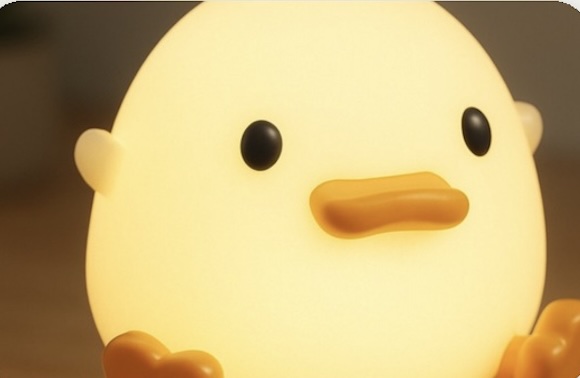
| Lumi the Duck | 1 × micro‑servo for head tilt | USB‑powered (5 V) | Tap‑sensor on head | Adjustable night‑light brightness (0‑100 %) |
| Cog the Owl | 3‑gear train (30:1 reduction) | Hand‑crank (no battery) | Manual crank on chest | Gear teeth printed with 0.4 mm resolution |
| Inchy the Caterpillar | 1 × micro‑servo + sound sensor | 1× 18650 Li‑ion (3.7 V) | Clap‑activated via KY‑038 mic module | 12 modular body sections, 0.5 s per inch movement |
| Pip the Rabbit | 2 × micro‑servos (ear wiggle) | 2× AAA (1.2 V) | Paw‑press button | LED belly (soft‑white, 3 mA) |
Learning from Failure: The “Broken‑Print” Gallery
A distinctive element of the exhibit is the display of failed prints and discarded prototypes. Visitors can see:
- Layer delamination caused by insufficient bed adhesion (common with large overhangs).
- Over‑extrusion that resulted in clogged nozzle and melted filament blobs.
- Electronic short circuits traced with a multimeter, illustrating proper insulation practices.
Kids explain corrective actions—adjusting slicer settings (e.g., 10 % increase in infill), switching to a 0.4 mm nozzle for finer gear teeth, or adding heat‑shrink tubing to protect wiring. This transparency reinforces the engineering principle that iteration beats perfection.
Bottom Line
The 3D‑Printed Robot Petting Zoo at Maker Faire Bay Area transforms a classroom project into a public showcase of hands‑on engineering, rapid prototyping, and failure analysis. By empowering 7‑ to 13‑year‑olds to design, print, and program interactive creatures, the exhibit demonstrates that complex concepts—mechanical design tolerances, electronics integration, and user‑centered interaction—can be taught through playful, tactile experiences. The inclusion of both triumphs and mishaps offers a realistic view of the product‑development cycle, making the zoo not just entertaining but an authentic learning laboratory for the next generation of CNC and additive‑manufacturing innovators.


